Hydrogen Fuel Cells 2026: Decarbonizing U.S. Transport in 5 Years
Anúncios
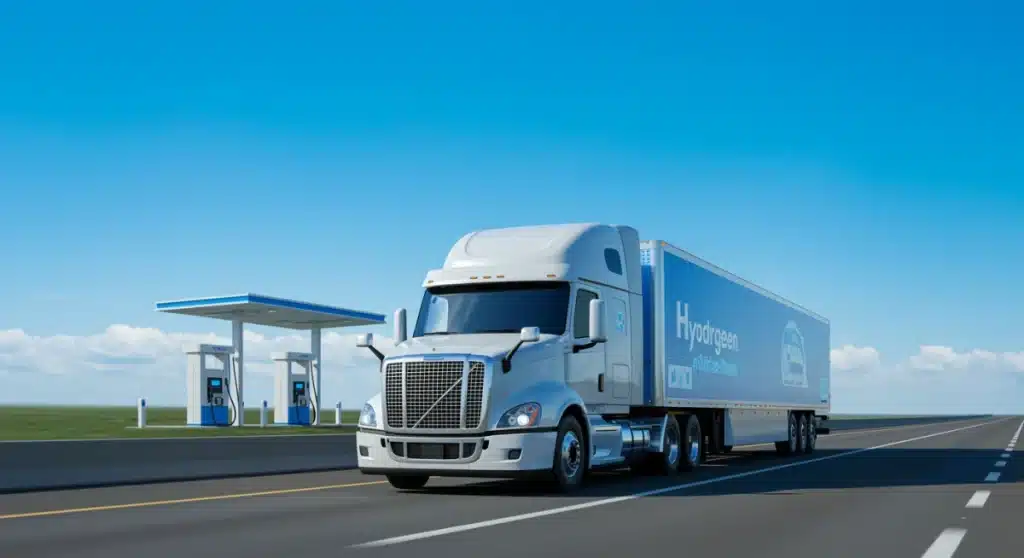
Hydrogen fuel cells are poised to play a transformative role in decarbonizing U.S. transportation by 2031, offering a zero-emission alternative for heavy-duty vehicles and public transit.
In 2026, the discussion around climate change and sustainable solutions for transportation has intensified, bringing hydrogen fuel cell future to the forefront as a critical technology. As the United States strives to meet ambitious decarbonization goals, understanding the trajectory and impact of hydrogen fuel cells in decarbonizing U.S. transportation within the next five years becomes paramount. This deep dive explores the current landscape, technological advancements, infrastructural challenges, and policy pushes shaping their role by 2031.
The Current Landscape of Hydrogen Fuel Cells in 2026
By 2026, hydrogen fuel cell technology has moved beyond the experimental phase, establishing itself as a viable, albeit niche, solution for specific segments of the U.S. transportation sector. While battery electric vehicles (BEVs) dominate the passenger car market, fuel cell electric vehicles (FCEVs) are gaining traction in areas where long range, rapid refueling, and heavy payloads are essential. This includes commercial fleets, public transit, and heavy-duty trucking.
The past few years have seen significant investments in research and development, leading to more efficient and cost-effective fuel cell stacks. Manufacturers are now producing fuel cell systems with improved durability and power density, making them increasingly competitive with traditional internal combustion engines and even some battery-electric alternatives for certain applications. This progress is crucial for mainstream adoption.
Key Advancements in Fuel Cell Technology
- Increased Efficiency: Modern fuel cells boast efficiencies approaching 60% in real-world driving conditions, translating to better energy utilization.
- Enhanced Durability: Lifespans of fuel cell stacks have significantly improved, with many now rated for over 10,000 hours of operation, reducing maintenance costs.
- Reduced Platinum Loading: Innovations in catalyst materials have decreased the reliance on expensive platinum, lowering overall manufacturing costs and improving scalability.
Despite these advancements, the market share of FCEVs remains small compared to other powertrain technologies. However, the foundational pieces are being laid for accelerated growth. Pilot programs and early adopters are providing valuable data, refining the technology, and demonstrating its practical benefits in various operational environments across the United States. This period is critical for building confidence and demonstrating the tangible advantages of hydrogen as a clean fuel.
The Decarbonization Imperative for U.S. Transportation
The U.S. transportation sector is one of the largest contributors to greenhouse gas emissions, making its decarbonization a top national priority. Achieving net-zero emissions by mid-century requires a multi-faceted approach, and hydrogen fuel cells are emerging as a key player in this strategy, particularly for segments difficult to electrify with batteries alone. The urgency stems from both environmental concerns and a growing global commitment to sustainable practices.
Within the next five years, the focus is on accelerating the transition away from fossil fuels in trucking, shipping, and aviation. While hydrogen’s role in aviation and shipping is more long-term, its impact on road freight and public transport is expected to be substantial by 2031. The Department of Energy and other federal agencies are actively promoting hydrogen as a versatile energy carrier capable of supporting a cleaner transportation ecosystem.
Strategic Areas for Hydrogen Adoption
- Heavy-Duty Trucking: Long-haul trucks require significant energy storage and fast refueling, making hydrogen an attractive option over heavy, slow-charging batteries.
- Public Transit Buses: Fuel cell buses offer extended range and quiet operation, ideal for urban routes and reducing local air pollution.
- Forklifts and Material Handling: These industrial applications benefit from consistent power output and rapid refueling, minimizing downtime.
The decarbonization imperative is not just about reducing emissions; it also involves creating economic opportunities and ensuring energy independence. By investing in hydrogen infrastructure and technology, the U.S. aims to foster domestic innovation, create green jobs, and establish a resilient energy supply chain. The coming years will be crucial for demonstrating the scalability and economic viability of these solutions.
Infrastructure Development: A Critical Hurdle and Opportunity
The widespread adoption of hydrogen fuel cells hinges significantly on the development of a robust and accessible refueling infrastructure. In 2026, while the number of hydrogen fueling stations in the U.S. has increased, it remains a fraction of what is needed to support a large-scale FCEV fleet. Most stations are concentrated in California, with nascent networks emerging in other strategic corridors.
Building out this infrastructure is a chicken-and-egg problem: few FCEVs without stations, and few stations without FCEVs. However, government incentives and private sector investments are beginning to break this cycle. The Bipartisan Infrastructure Law, passed in previous years, allocates substantial funding for hydrogen hubs and infrastructure, signaling a strong commitment to overcoming this challenge. The goal is to establish regional hydrogen ecosystems that can produce, distribute, and dispense hydrogen efficiently.
By 2031, projections indicate a significant expansion of the hydrogen refueling network, particularly along major freight routes and within urban centers. This expansion will likely involve a mix of dedicated hydrogen stations and multi-fuel stations integrating hydrogen dispensers. The development of modular, scalable refueling solutions is also key to accelerating deployment.
Challenges in Infrastructure Buildout
- Cost of Deployment: Building hydrogen production and distribution infrastructure is capital-intensive, requiring substantial upfront investment.
- Permitting and Regulations: Navigating complex local and federal regulations for hydrogen storage and dispensing can slow down development.
- Supply Chain Logistics: Ensuring a consistent and cost-effective supply of green hydrogen to refueling stations is paramount.
Overcoming these infrastructure hurdles requires coordinated efforts from government, industry, and local communities. The rapid scaling of hydrogen production, especially from renewable sources (green hydrogen), will also play a vital role in making the fuel economically competitive and truly sustainable. The next five years will define the pace of this infrastructure revolution.
Technological Advancements and Cost Reduction Pathways
The viability of hydrogen fuel cells for mass transportation adoption is directly tied to continued technological advancements and significant cost reductions. By 2026, significant strides have been made, but there is still room for improvement to compete fully with established technologies. Research and development efforts are focused on several key areas to enhance performance, durability, and affordability.
One major area of focus is the reduction of platinum group metals (PGMs) used in fuel cell catalysts. Scientists are exploring alternative catalyst materials or reducing PGM loading while maintaining efficiency and durability. This not only lowers costs but also addresses supply chain concerns related to rare earth minerals. Furthermore, improvements in membrane technology and balance-of-plant components are contributing to overall system cost reductions.
Manufacturing processes are also becoming more automated and scaled, which inherently drives down unit costs. As production volumes increase, economies of scale will further contribute to affordability. The goal is to achieve cost parity with conventional powertrains, making FCEVs an economically attractive choice for fleet operators and consumers.
Innovations Driving Cost Down
- Advanced Materials: Development of cheaper, more efficient catalysts and membranes.
- Modular Design: Standardized, modular fuel cell systems reduce manufacturing complexity and allow for easier scaling.
- Improved System Integration: Optimizing the integration of fuel cell stacks with other vehicle components leads to better overall performance and lower system costs.
The next five years are expected to bring further breakthroughs, potentially leveraging artificial intelligence and machine learning to optimize fuel cell design and operation. These continuous innovations are essential to ensure that hydrogen fuel cells can fulfill their potential in a competitive decarbonized transportation market. The focus on cost reduction pathways is a strategic imperative for widespread deployment.
Policy and Regulatory Frameworks Supporting Hydrogen
Government policies and regulatory frameworks are instrumental in accelerating the adoption of hydrogen fuel cells in U.S. transportation. In 2026, the federal government, along with several states, has implemented a suite of incentives, mandates, and funding programs designed to foster a hydrogen economy. These policies provide the necessary push for both infrastructure development and FCEV deployment.
Key federal initiatives include tax credits for clean hydrogen production, grants for hydrogen infrastructure projects, and research funding for advanced fuel cell technologies. States like California continue to lead with their own robust programs, including vehicle purchase incentives and mandates for zero-emission vehicles, which encompass FCEVs. Other states are beginning to follow suit, recognizing the economic and environmental benefits of hydrogen.
Regulatory clarity is also improving, providing a more predictable environment for investors and businesses. Standards for hydrogen quality, fueling protocols, and safety are being refined to ensure consistent and reliable operation. International collaboration on these standards is also vital to facilitate global trade and adoption of hydrogen technologies.
Key Policy Drivers
- Clean Hydrogen Production Tax Credits: Incentivize the production of green and low-carbon hydrogen.
- Infrastructure Grants: Fund the buildout of hydrogen refueling networks and production facilities.
- Zero-Emission Vehicle Mandates: Drive demand for FCEVs in commercial fleets and public transport.
The synergy between federal and state policies is crucial for creating a cohesive and supportive ecosystem for hydrogen fuel cells. Over the next five years, we anticipate an even more comprehensive and harmonized policy landscape, reducing market uncertainties and encouraging greater private sector investment. This supportive environment is foundational for hydrogen to make a significant impact on decarbonization.
The Path to 2031: Projections and Challenges
Looking ahead to 2031, the role of hydrogen fuel cells in decarbonizing U.S. transportation is projected to be substantially more significant than it is in 2026. While challenges remain, the current trajectory suggests a growing presence of FCEVs, particularly in heavy-duty and commercial applications. The cumulative effect of technological advancements, infrastructure expansion, and supportive policies will drive this growth.
By 2031, we can expect to see a noticeable shift in fleet compositions, with more fuel cell electric trucks operating on major freight corridors, a greater number of fuel cell buses serving urban populations, and an increase in hydrogen-powered material handling equipment in industrial settings. The concept of regional hydrogen hubs will have matured, providing localized production and distribution networks that reduce transportation costs and emissions.
However, several challenges must still be addressed. The cost of green hydrogen production needs to continue to decrease to achieve full competitiveness. Public perception and acceptance of hydrogen as a safe and reliable fuel will also be critical. Furthermore, ensuring a diverse and resilient supply chain for fuel cell components will be an ongoing endeavor.
Key Projections for 2031
- Increased FCEV Adoption: Significant growth in heavy-duty trucks, buses, and specialized vehicles.
- Expanded Infrastructure: A denser network of hydrogen refueling stations along key transportation routes.
- Green Hydrogen Dominance: A higher proportion of hydrogen produced from renewable energy sources.
The journey to 2031 is one of continuous innovation and strategic implementation. While the complete decarbonization of U.S. transportation will extend beyond this timeframe, hydrogen fuel cells are set to establish themselves as an indispensable component of a sustainable energy future within the next five years. Their role will be defined by their ability to provide practical, efficient, and truly zero-emission solutions for the toughest transportation challenges.
| Key Aspect | Brief Description |
|---|---|
| Technology Maturity | Fuel cells are viable for heavy-duty sectors, with improved efficiency and durability. |
| Infrastructure Growth | Refueling network expanding beyond California, supported by federal funding and regional hubs. |
| Cost Reduction | Innovations in materials and manufacturing are driving down fuel cell system costs. |
| Policy Support | Government incentives and mandates are accelerating hydrogen adoption and investment. |
Frequently Asked Questions About Hydrogen Fuel Cells
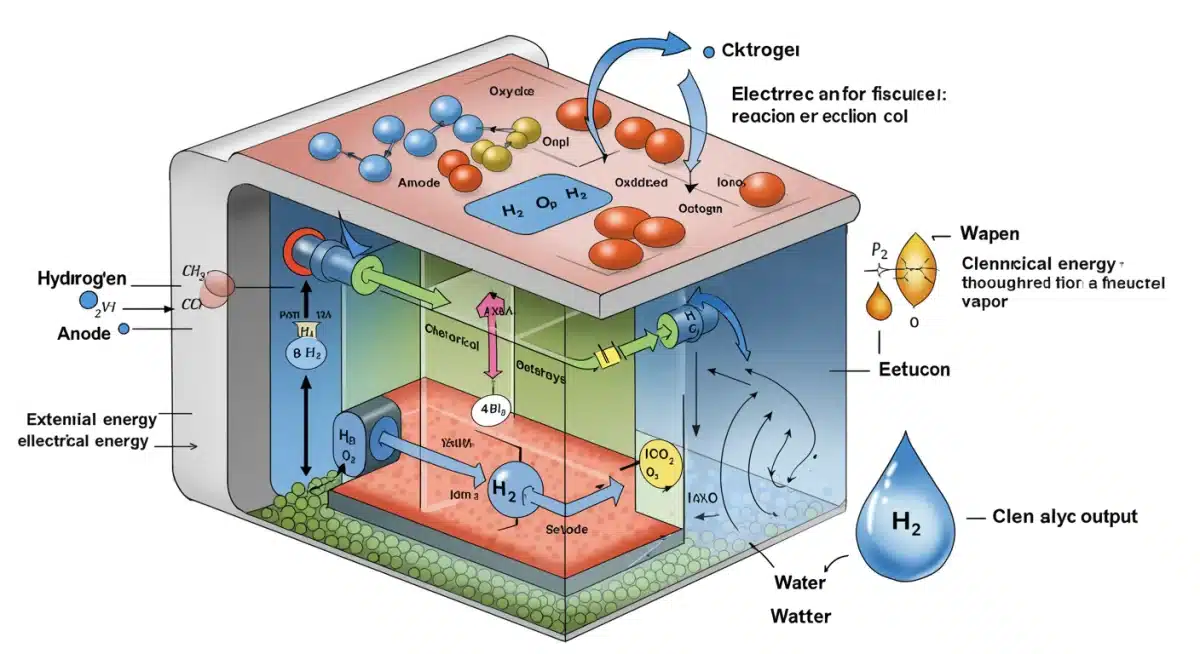
A hydrogen fuel cell generates electricity through an electrochemical reaction between hydrogen and oxygen, producing only water and heat as byproducts. Unlike batteries, fuel cells don’t need recharging; they produce electricity as long as fuel is supplied. This makes them ideal for applications requiring continuous power or long ranges.
Hydrogen fuel cells offer a zero-emission solution, particularly for heavy-duty vehicles, buses, and commercial fleets where battery electric options face challenges with weight, range, and refueling times. They enable rapid refueling akin to gasoline vehicles and provide consistent power, crucial for long-haul operations and demanding routes.
The primary challenges include the limited availability of hydrogen refueling infrastructure, the high initial cost of fuel cell vehicles and hydrogen production, and the need for greater public awareness and acceptance. Advancements in green hydrogen production and infrastructure buildout are actively addressing these hurdles.
The U.S. government is providing significant support through tax credits for clean hydrogen production, grants for infrastructure development, and funding for research and development. Policies like the Bipartisan Infrastructure Law are channeling investments into hydrogen hubs and aiming to establish a robust domestic hydrogen economy.
By 2031, hydrogen fuel cell vehicles are expected to see substantial growth, especially in commercial and heavy-duty sectors like trucking and public transit. The refueling infrastructure will be more developed, and green hydrogen production will be more prevalent, making FCEVs a more competitive and accessible option for decarbonization.
Conclusion
The journey towards a decarbonized U.S. transportation sector by 2031 is complex, yet the role of hydrogen fuel cells is becoming increasingly clear and critical. From their current niche applications in 2026, these technologies are set for significant expansion, driven by continuous innovation, strategic infrastructure development, and robust policy support. While challenges such as cost and infrastructure density persist, the dedicated efforts from both public and private sectors are paving the way for hydrogen fuel cells to become an indispensable component of America’s clean energy future, particularly in hard-to-abate transportation segments. The next five years will undoubtedly solidify their position as a powerful force in the fight against climate change.