Sustainable Gardening 2025: Boost Yields 40% Organically Nationwide
Anúncios
Achieving a 40% increase in garden yield nationwide by 2025 is an attainable goal through the strategic implementation of advanced organic and sustainable gardening practices that prioritize ecological balance and resource efficiency.
As we look towards the future, the concept of sustainable gardening 2025 is not just a trend but a vital movement, promising a significant boost in food production while nurturing our planet. Imagine increasing your garden’s yield by an impressive 40% using only organic methods, applicable whether you’re in a bustling city or a sprawling rural landscape across the United States. This guide will illuminate the path to a more abundant and environmentally friendly garden.
Understanding the Pillars of Sustainable Gardening
Sustainable gardening extends beyond simply avoiding synthetic chemicals; it’s a holistic approach that cultivates a healthy ecosystem from the ground up. It focuses on long-term ecological balance, resource conservation, and maximizing natural productivity. By understanding these core principles, gardeners can create resilient systems that not only thrive but also contribute positively to the environment.
The Importance of Soil Health
The foundation of any successful garden, especially a sustainable one, lies beneath the surface: the soil. Healthy soil is a living ecosystem, teeming with microorganisms that break down organic matter, cycle nutrients, and improve soil structure. Focusing on soil health is paramount for achieving those ambitious yield increases.
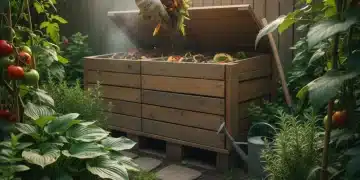
- Composting: Turning kitchen scraps and yard waste into nutrient-rich compost enriches your soil, improving its texture, water retention, and microbial activity.
- Cover Cropping: Planting specific crops during off-seasons protects the soil from erosion, suppresses weeds, and adds organic matter when tilled back into the ground.
- No-Till Practices: Minimizing soil disturbance helps preserve its structure, beneficial fungi, and earthworm populations, fostering a more stable environment for plant roots.
Water Conservation Strategies
Water is a precious resource, and sustainable gardening demands intelligent water management. Efficient irrigation techniques can drastically reduce water consumption while ensuring your plants receive adequate hydration, especially important in regions prone to drought or water restrictions.
Drip irrigation systems deliver water directly to the plant roots, minimizing evaporation and runoff. Rainwater harvesting, collecting precipitation from roofs, provides a free and sustainable water source for your garden. Mulching, the practice of covering soil with organic materials like straw or wood chips, significantly reduces water evaporation, keeps soil temperatures stable, and suppresses weed growth, further conserving moisture.
Ultimately, sustainable gardening is about working with nature, not against it. By prioritizing soil health and implementing smart water conservation, gardeners can foster vibrant ecosystems that yield abundant harvests while preserving resources for future generations. These foundational practices set the stage for more advanced organic methods that promise significant yield improvements.
Advanced Organic Methods for Increased Yield
Moving beyond the basics, several advanced organic methods can significantly boost your garden’s productivity. These techniques leverage ecological principles to enhance plant growth, nutrient uptake, and disease resistance, all without relying on synthetic inputs. The goal is to create a self-sustaining system where plants flourish naturally.
Companion Planting for Synergy
Companion planting is an age-old practice where different plant species are grown in close proximity for mutual benefit. This can involve deterring pests, attracting beneficial insects, improving soil health, or even enhancing flavor. Strategic pairing can lead to stronger, healthier plants and, consequently, higher yields.
- Pest Deterrence: Marigolds near tomatoes can repel nematodes, while nasturtiums can act as a trap crop for aphids, drawing them away from more valuable plants.
- Beneficial Insect Attraction: Herbs like dill, cilantro, and parsley, when allowed to flower, attract predatory insects like ladybugs and lacewings that feed on garden pests.
- Nutrient Fixation: Legumes such as beans and peas fix nitrogen in the soil, making it available for neighboring plants that require this essential nutrient.
Biointensive Gardening Techniques
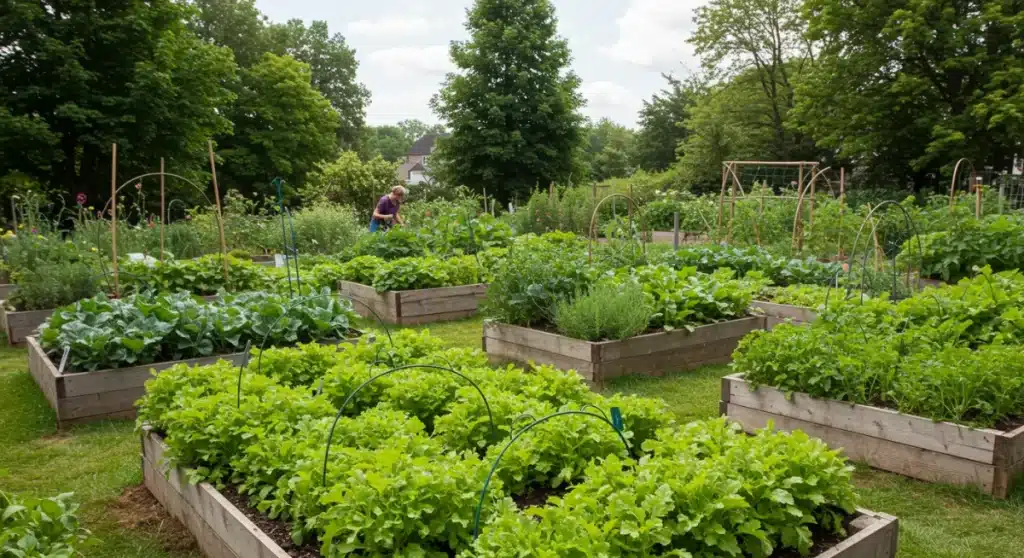
Biointensive gardening maximizes yields in minimal space by focusing on deep soil preparation, close plant spacing, and companion planting. This method aims to create a highly productive, self-renewing, and ecologically sound garden system. It’s particularly effective for urban gardeners or those with limited space.
Double-digging, a key biointensive technique, involves loosening the soil to a depth of 24 inches, allowing roots to penetrate deeper and access more nutrients and water. This labor-intensive initial step pays dividends in increased plant vigor and drought resistance. The close spacing of plants, often in hexagonal patterns, creates a living mulch that shades the soil, suppresses weeds, and maintains consistent soil moisture, all contributing to higher yields per square foot.
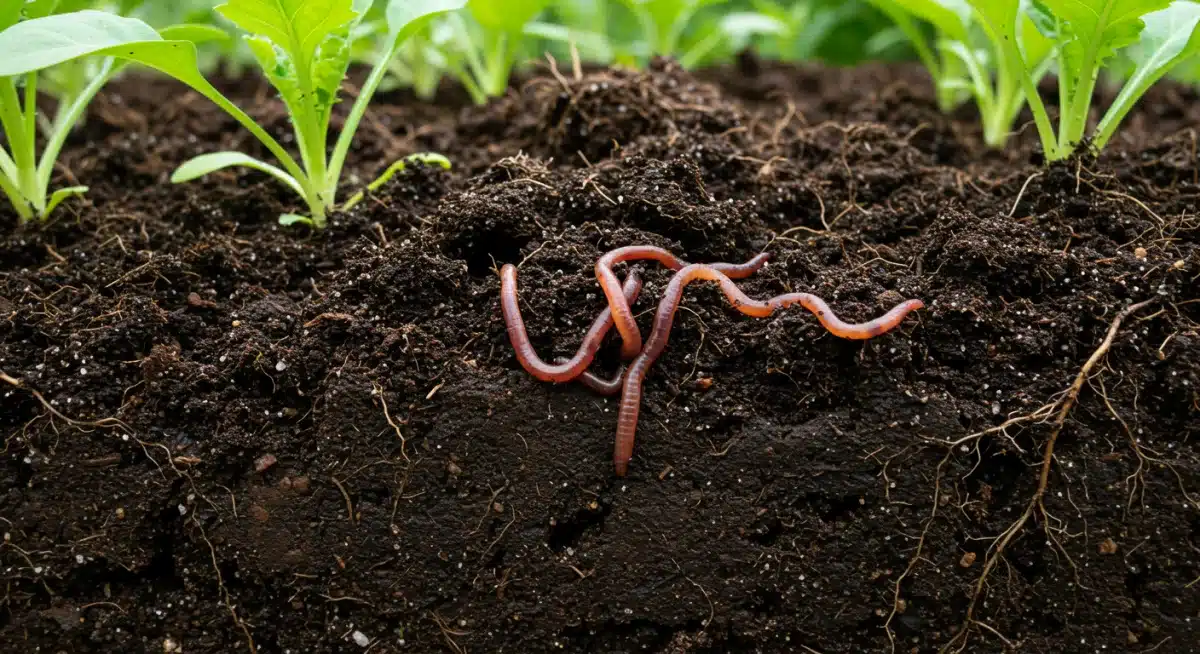
By integrating companion planting and biointensive methods, gardeners can transform their plots into highly efficient, naturally thriving ecosystems. These advanced organic approaches not only increase productivity but also reduce the need for external inputs, making your garden more resilient and truly sustainable.
Optimizing Nutrient Cycling and Pest Management
For a 40% yield increase, simply adding organic matter isn’t enough; we need to optimize how nutrients are utilized and how pests are managed naturally. This involves understanding the intricate relationships within your garden ecosystem and empowering natural processes to work in your favor, reducing losses and maximizing growth.
Enhancing Nutrient Availability with Mycorrhizal Fungi
Mycorrhizal fungi form symbiotic relationships with plant roots, extending the root system’s reach and significantly improving nutrient and water uptake. Introducing these beneficial fungi to your garden can dramatically enhance plant health and productivity, especially in less fertile soils.
These fungi act as an extension of the plant’s root system, scavenging for nutrients like phosphorus and nitrogen that might otherwise be inaccessible. In return, the plant provides the fungi with carbohydrates. This partnership makes plants more resilient to drought, disease, and nutrient deficiencies, leading to stronger growth and higher yields. Applying mycorrhizal inoculants during planting or transplanting is a simple yet powerful way to leverage this natural synergy.
Integrated Pest Management (IPM) in Organic Gardens
Organic pest management isn’t about eradication; it’s about balance. Integrated Pest Management (IPM) is a strategy that focuses on prevention, monitoring, and using a combination of environmentally sound tactics to keep pest populations below damaging levels. This approach safeguards beneficial insects and avoids disrupting the delicate ecosystem.
- Biological Controls: Introduce or encourage natural predators like ladybugs, parasitic wasps, and lacewings to control pest populations.
- Cultural Controls: Rotate crops, improve soil health, and choose pest-resistant plant varieties to create an environment less appealing to pests.
- Physical Barriers: Use row covers, netting, or hand-picking to physically prevent pests from damaging plants.
- Organic Sprays: As a last resort, utilize organic-approved sprays like neem oil or insecticidal soaps, applied judiciously to minimize impact on beneficial organisms.
By actively promoting beneficial microorganisms and implementing a thoughtful IPM strategy, organic gardeners can create a robust and resilient system. This optimization of nutrient cycling and pest management will directly translate into healthier plants, reduced losses, and ultimately, a substantial increase in overall garden yield.
Harnessing Biodiversity and Ecosystem Services
True sustainable gardening embraces biodiversity, recognizing that a diverse array of plants, insects, and microorganisms creates a more resilient and productive ecosystem. By actively promoting biodiversity, gardeners can tap into a wealth of natural services that enhance plant growth and reduce the need for external interventions, pushing yields even higher.
Creating Pollinator-Friendly Habitats
Pollinators, including bees, butterflies, and other insects, are essential for the reproduction of many food crops. Without them, fruit and seed set would be severely limited. Designing your garden to attract and support these vital creatures is a direct path to increased yields, particularly for fruiting vegetables like tomatoes, squash, and berries.
Planting a variety of native flowering plants that bloom throughout the growing season provides a continuous food source for pollinators. Consider creating a dedicated pollinator garden or integrating these plants within your vegetable beds. Providing clean water sources and undisturbed nesting sites, such as bare patches of soil or hollow stems, further encourages their presence. A thriving pollinator population ensures efficient pollination, leading to more abundant and higher-quality harvests.
Integrating Agroforestry Principles
Agroforestry, the integration of trees and shrubs with crops or livestock, offers a powerful model for sustainable gardening. While often applied on a larger scale, its principles can be adapted to smaller gardens to enhance biodiversity, improve soil, and create microclimates beneficial for plant growth. This long-term approach can significantly contribute to a 40% yield increase over time.
- Edible Hedgerows: Plant fruit-bearing shrubs and small trees along garden borders to provide additional food, windbreaks, and habitat for beneficial wildlife.
- Shade Management: Strategically placed trees can provide partial shade for heat-sensitive crops during intense summer months, extending their growing season and preventing bolting.
- Root Systems: The deep root systems of trees can access nutrients and water unavailable to annual crops, bringing them closer to the surface for other plants as leaves drop and decay.
By thoughtfully incorporating biodiversity and elements of agroforestry into your sustainable garden, you’re not just growing food; you’re cultivating a vibrant, self-regulating ecosystem. These practices foster a healthier environment for your plants, leading to enhanced resilience, natural pest control, and ultimately, a significant boost in your garden’s productive capacity.
Adaptation and Innovation for Regional Success
While the principles of sustainable gardening are universal, their application must be tailored to specific regional climates, soil types, and available resources across the United States. Achieving a 40% yield increase nationwide by 2025 demands adaptability and innovation, embracing local knowledge and cutting-edge techniques to maximize efficiency and resilience.
Climate-Resilient Crop Selection
The changing climate necessitates a proactive approach to crop selection. Choosing varieties that are well-suited to your local climate and projected future conditions is crucial for consistent and high yields. This might involve selecting drought-tolerant plants in arid regions or disease-resistant varieties in humid areas.
Researching heirloom and open-pollinated varieties often reveals crops that have adapted to specific local conditions over generations. These varieties frequently possess superior flavor and nutritional profiles, alongside greater resilience. Furthermore, exploring native plant options can open up new possibilities for food production that are inherently adapted to the regional environment, requiring less input and thriving with minimal intervention. Diversifying your crop selection also spreads risk, ensuring that if one crop struggles due to unforeseen conditions, others may still thrive.
Leveraging Local Resources and Community Knowledge
Sustainable gardening thrives on local intelligence. Connecting with local extension offices, community gardens, and experienced gardeners can provide invaluable insights into what works best in your specific area. Local resources, such as municipal compost programs or recycled materials, can also reduce costs and environmental impact.
- Native Plant Nurseries: Source seeds and plants that are indigenous or well-adapted to your local climate, ensuring better success rates and reduced water needs.
- Community Workshops: Participate in local gardening workshops to learn region-specific techniques for soil amendment, pest control, and water management.
- Resource Sharing: Collaborate with neighbors to share tools, knowledge, and even excess harvests, building a stronger, more resilient local food system.
By embracing regional adaptation and leveraging local resources and community knowledge, gardeners can fine-tune their sustainable practices for optimal success. This localized approach ensures that the pursuit of a 40% yield increase is not only achievable but also contributes to the resilience and food security of communities across the nation.
Measuring Progress and Continuous Improvement
To truly achieve a 40% increase in yield by 2025, it’s essential to not only implement sustainable organic methods but also to systematically measure their impact and continuously refine your approach. Gardening is an ongoing learning process, and data-driven decisions can significantly accelerate progress towards your yield goals.
Tracking Garden Performance
Keeping detailed records of your garden’s performance is fundamental to understanding what works and what doesn’t. This data provides valuable insights that can inform future planting decisions and help optimize your sustainable practices. Without tracking, it’s difficult to quantify improvements or identify areas needing adjustment.
Start by documenting planting dates, crop varieties, and harvest yields for each plant. Note any specific challenges encountered, such as pest outbreaks or nutrient deficiencies, and the organic solutions implemented. Record weather patterns, irrigation schedules, and soil test results. Over time, this comprehensive record will reveal trends and patterns, allowing you to identify the most successful methods and areas for improvement. Simple spreadsheets or even a dedicated garden journal can be effective tools for this purpose.
Iterative Learning and Adaptation
Sustainable gardening is an iterative process, much like scientific experimentation. Each growing season offers an opportunity to learn, adapt, and refine your techniques. Don’t be afraid to try new organic methods or experiment with different crop combinations; innovation is key to reaching ambitious yield targets.
- Soil Testing: Regularly test your soil to monitor nutrient levels and pH, making informed decisions about organic amendments rather than guessing.
- Observation: Dedicate time to simply observe your garden. How are plants responding to different treatments? Are beneficial insects present? What are the early signs of stress or disease?
- Experimentation: Allocate a small portion of your garden to try out new organic methods, seed varieties, or companion planting schemes before implementing them on a larger scale.
By diligently tracking garden performance and embracing an iterative learning approach, you can systematically optimize your sustainable organic methods. This commitment to continuous improvement is what will ultimately drive your garden towards that impressive 40% yield increase, transforming your gardening journey into a highly productive and deeply rewarding experience.
The Future of Sustainable Gardening: Community and Technology
As we approach 2025, the landscape of sustainable gardening is also being shaped by advancements in community engagement and technology. These elements offer new tools and collaborative opportunities to further enhance organic methods and dramatically boost yields nationwide, fostering a more resilient and interconnected gardening movement.
The Power of Community Gardens and Knowledge Sharing
Community gardens are more than just shared plots of land; they are vibrant hubs of knowledge exchange, resource sharing, and collective action. They democratize access to fresh, organic produce and provide invaluable learning experiences, especially for new gardeners. The collective experience within these spaces can accelerate the adoption of high-yield organic practices.
Participating in a community garden allows individuals to tap into a wealth of shared expertise on local soil conditions, climate challenges, and successful organic techniques. Many community gardens also facilitate composting programs, seed swaps, and tool libraries, reducing individual costs and promoting resource efficiency. This collaborative environment fosters a sense of shared responsibility and collective progress towards greater food security and sustainable living, making the ambitious 40% yield increase a collective endeavor.
Technological Innovations for Organic Growers
Technology is increasingly playing a supportive role in sustainable gardening, offering tools that help organic growers optimize their practices and achieve higher yields. These innovations range from sophisticated monitoring systems to accessible online resources, all designed to make organic gardening more efficient and productive.
- Smart Irrigation Systems: Sensors can monitor soil moisture levels and weather forecasts, automatically adjusting irrigation to prevent over or under-watering, conserving water, and ensuring optimal plant hydration.
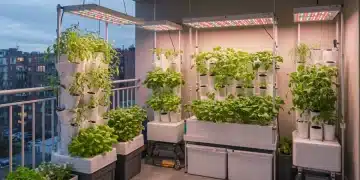
- Vertical and Hydroponic Systems (Organic Adapted):: While traditionally non-organic, innovations are adapting these space-saving methods for organic inputs, allowing for high-density, controlled environment growing with less land and water.
- Online Resources and AI-Powered Advice: Digital platforms offer extensive databases on organic pest control, companion planting guides, and even AI tools that can analyze plant photos to identify diseases or nutrient deficiencies, providing instant, actionable advice.
The synergy between robust community networks and accessible technological innovations creates a powerful ecosystem for sustainable gardening. By embracing these collaborative and high-tech approaches, gardeners across the United States can collectively push the boundaries of organic food production, making the 40% yield increase not just a possibility, but a tangible reality for 2025 and beyond.
| Key Strategy | Benefit for Yield Increase |
|---|---|
| Soil Health Optimization | Enhances nutrient availability and water retention for stronger plant growth. |
| Advanced Organic Methods | Increases productivity per square foot and reduces pest damage naturally. |
| Biodiversity & Pollination | Ensures efficient crop reproduction and natural pest control. |
| Regional Adaptation & Tech | Optimizes practices for local conditions and leverages tools for efficiency. |
Frequently Asked Questions about Sustainable Gardening
The primary benefit is cultivating healthier soil and ecosystems, leading to more nutritious food and a reduced environmental footprint. It also fosters long-term garden productivity without reliance on synthetic chemicals, improving plant resilience and overall garden vitality.
Begin with a balanced mix of ‘greens’ (nitrogen-rich like food scraps) and ‘browns’ (carbon-rich like dry leaves). Ensure adequate moisture and turn the pile regularly for aeration. A simple compost bin or pile in a shaded area is a great starting point for enriching your garden soil.
Organic pest control, especially when part of an Integrated Pest Management (IPM) strategy, focuses on prevention and natural balance. While they may require more observation and patience, they are highly effective in the long run, preserving beneficial insects and ecosystem health, unlike broad-spectrum chemical alternatives.
Pollinators are crucial for the reproduction of many fruiting vegetables and plants. Their activity directly translates to better fruit set, larger harvests, and higher quality produce. Encouraging pollinators through diverse flowering plants is a direct route to enhanced garden productivity and yield.
Absolutely. Urban environments are ideal for sustainable gardening, utilizing techniques like container gardening, vertical farming, community gardens, and rooftop plots. These methods maximize limited space, conserve resources, and bring fresh, organic food closer to urban populations, proving highly effective and scalable.
Conclusion
Achieving a 40% increase in yield through organic methods by 2025 across the United States is an ambitious yet entirely attainable vision for sustainable gardening. By deeply understanding and implementing practices that prioritize soil health, conserve water, promote biodiversity, and embrace innovative organic techniques, gardeners can transform their plots into highly productive and ecologically resilient spaces. The journey towards a more abundant and sustainable future for our food systems begins in our gardens, powered by informed choices and a commitment to working in harmony with nature. This collective effort, supported by community knowledge and technological advancements, promises not just more food, but healthier food and a healthier planet for generations to come.