Second-life battery reuse programs: sustainability redefined
Anúncios
Second-life battery reuse programs repurpose used batteries from electric vehicles into sustainable energy storage solutions, reducing waste and promoting environmental conservation while creating economic opportunities.
Second-life battery reuse programs are changing the way we think about energy storage and sustainability. Have you ever considered how old batteries can find new life? Let’s dive into this fascinating topic.
Understanding second-life battery reuse
Understanding second-life battery reuse is essential for promoting a sustainable future. These programs transform used batteries, primarily from electric vehicles, into valuable energy sources. By repurposing batteries, we can significantly reduce waste and conserve resources.
What is second-life battery reuse?
Second-life battery reuse involves taking batteries that have reached the end of their initial lifespan and giving them a new purpose. These batteries can power homes, buildings, or even renewable energy systems. It’s an innovative way to maximize the utility of these components. This reuse contributes to a circular economy, where materials are continually recycled and reused.
Key advantages of battery reuse
One of the main benefits of these programs is the environmental impact. When batteries are reused, fewer new batteries need to be manufactured, thus saving energy and resources. Additionally, second-life batteries can buffer energy from renewable sources like solar and wind, enabling better energy management.
- Reduces landfill waste.
- Conserves raw materials used in new batteries.
- Supports energy storage solutions for renewable sources.
- Provides cost-effective energy solutions for consumers.
Many businesses and organizations are exploring how to make the most of second-life batteries. For instance, some companies focus on repurposing batteries for commercial use, while others may offer solutions for residential energy storage.
Examples of second-life battery initiatives
Several innovative projects highlight the potential of second-life battery reuse. For example, in Europe, a consortium of companies has developed systems to repurpose electric vehicle batteries into viable home energy storage units. This initiative not only supports sustainable energy use but also helps consumers save on electricity costs.
Understanding second-life battery reuse is about embracing new possibilities. As awareness grows, so does the opportunity to implement these technologies more broadly, paving the way for a greener future.
Key benefits of battery reuse programs
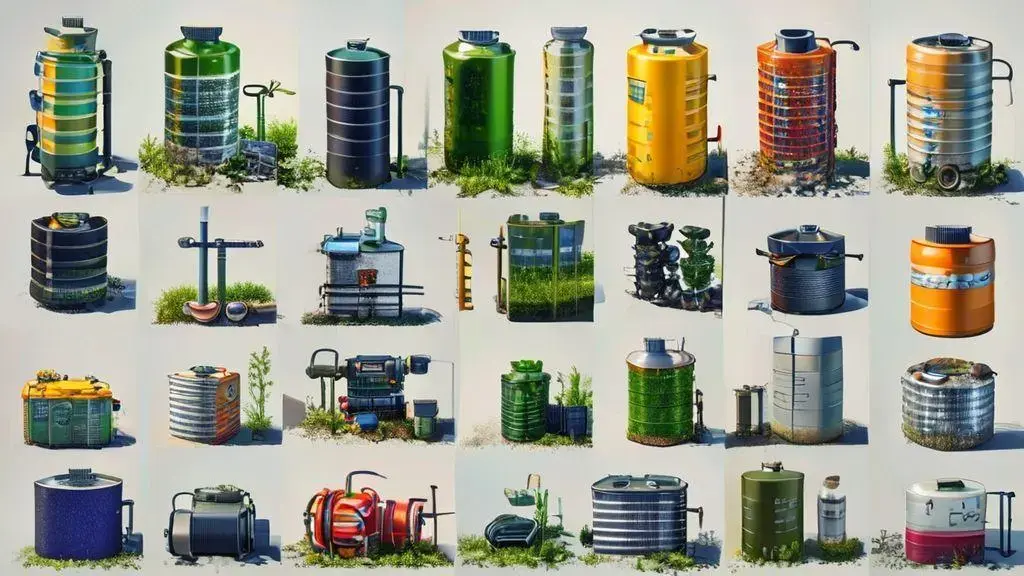
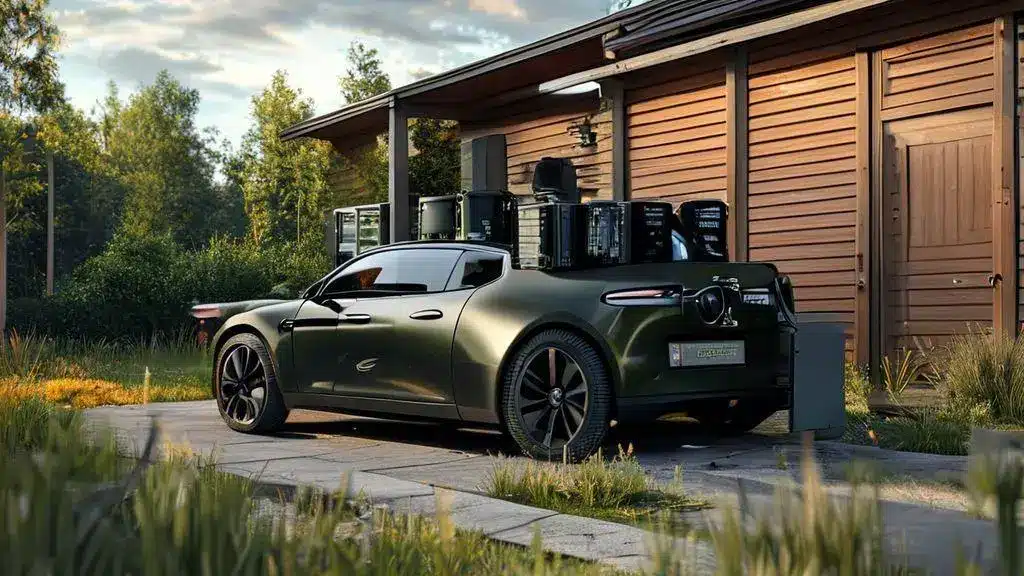
Key benefits of battery reuse programs extend far beyond simple waste reduction. These programs are designed to give used batteries a new lease on life, maximizing their value and impact on the environment.
Environmental Impact
By reusing batteries, we can significantly cut down on electronic waste. This helps preserve natural resources and reduces the energy required for producing new batteries. Every battery repurposed means less raw material extraction and lower greenhouse gas emissions.
- Minimizes landfill waste.
- Reduces the carbon footprint associated with manufacturing.
- Supports sustainable resource management.
Another important benefit is that second-life batteries provide energy storage solutions. They can be integrated into renewable energy systems. For example, these repurposed batteries can store solar or wind energy, allowing for more efficient energy use during peak times.
Economic Advantages
Battery reuse programs also offer economic benefits. They can lower costs for consumers by providing a more affordable energy storage option compared to new batteries. Moreover, these programs stimulate the economy by creating jobs in recycling, manufacturing, and energy management.
Battery reuse programs can lead to more accessible energy alternatives, helping communities that might not have had access to reliable energy sources. This enhances energy independence and resilience.
As technology progresses, the adaptability and effectiveness of second-life batteries will only grow. This gives developers the chance to create innovative applications that further showcase the benefits of resource reuse.
The advantages provided by battery reuse programs highlight their importance in the quest for a sustainable and eco-friendly future. They not only help preserve the environment but also offer practical solutions that can benefit individuals and communities worldwide.
Challenges faced in battery repurposing
Challenges faced in battery repurposing are significant and require attention for the successful implementation of second-life battery programs. Despite the many benefits, there are hurdles that must be overcome to ensure proper battery reuse.
Technical Limitations
One of the primary challenges is the technical aspect of assessing the health of used batteries. Determining their ability to be reused requires specialized techniques and technology. Without accurate evaluations, it can be difficult to ensure that repurposed batteries perform reliably.
- Need for advanced testing methods.
- Variability in battery life and performance.
- Technical expertise required to repurpose batteries effectively.
Additionally, there are concerns about safety. Older batteries can pose risks if they are not managed correctly during the repurposing process. Proper handling and storage are crucial to prevent issues such as fires or leaks.
Regulatory and Compliance Issues
Legal regulations can also pose challenges. Different regions have varying rules for battery recycling and reuse. Compliance with these regulations is essential but may create obstacles for businesses trying to implement reuse programs.
Battery repurposing also involves navigating complex supply chains. Securing a consistent source of used batteries can be difficult. Companies must establish relationships with automotive manufacturers and local recycling centers to create a steady input of batteries for reuse.
Economic factors also play a role in the success of repurposing initiatives. The initial costs associated with setting up battery reuse systems can be high. This economic burden may deter smaller companies from participating in the market.
As these challenges are addressed through innovation and collaboration, the potential for battery reuse will grow. Finding solutions to improve safety, compliance, and technological capabilities is vital for advancing second-life battery programs.
Real-world examples of successful programs
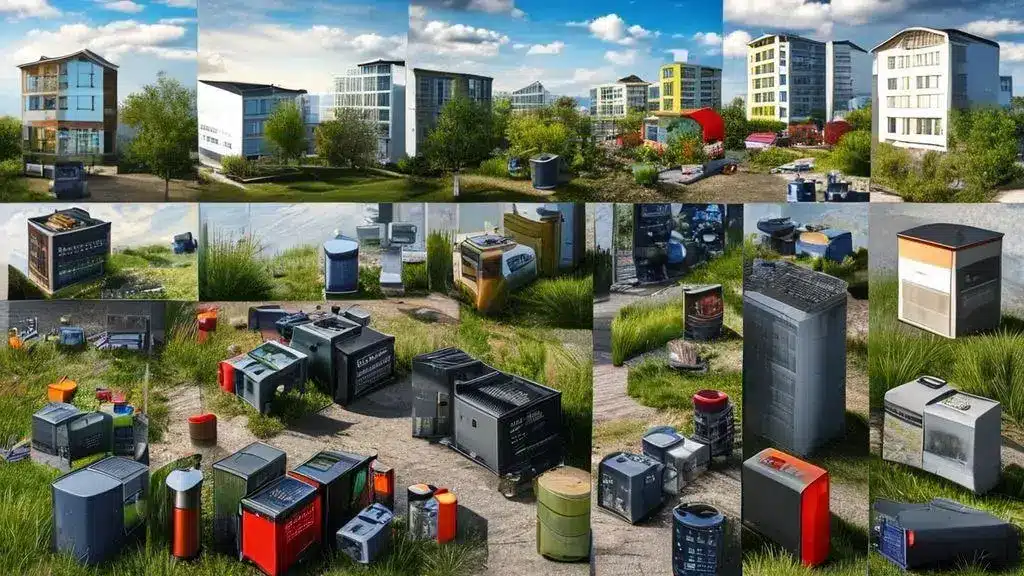
Real-world examples of successful programs highlight the effectiveness of second-life battery reuse. Numerous initiatives around the world demonstrate how repurposed batteries can be used to create sustainable solutions.
Commercial Applications
One notable example is the partnership between automotive manufacturers and energy companies. These collaborations engage in repurposing electric vehicle batteries for commercial energy storage systems. In this setup, batteries that have reached the end of their first life are refurbished and used to store energy generated from renewable sources like solar and wind.
- Utilization of Nissan Leaf batteries in grid storage.
- BMW’s battery second-life project for energy management.
- Tesla’s involvement in stationary energy solutions.
Another successful application can be seen in the realm of residential energy storage. Companies have developed systems that allow homeowners to use repurposed batteries as backup power sources. This creates a dual benefit of providing energy security and enhancing the efficiency of home energy management.
Community Initiatives
In addition to commercial applications, community programs also showcase the benefits of second-life batteries. Some organizations focus on training local workers to repair and repurpose used batteries. This fosters job creation while promoting sustainability.
For instance, projects in various regions aim to provide affordable energy solutions to underserved communities by repurposing batteries. By installing energy storage systems in these areas, residents can access reliable power, reduce their energy bills, and minimize waste.
These successful programs not only reduce waste but also pave the way for a sustainable future. By leveraging existing technology, they show how second-life batteries can meet energy needs effectively. As awareness and innovation continue to grow, more successful examples will likely emerge, accelerating the transition to a circular economy.
FAQ – Frequently Asked Questions About Second-Life Battery Reuse Programs
What are second-life battery reuse programs?
Second-life battery reuse programs involve taking used batteries, primarily from electric vehicles, and repurposing them for new applications, such as energy storage.
What are the environmental benefits of battery reuse?
Battery reuse helps reduce electronic waste, conserves resources, and lowers the carbon footprint associated with manufacturing new batteries.
How do these programs create economic opportunities?
They create jobs in recycling, manufacturing, and energy management, benefiting local economies and communities.
Are there safety concerns with repurposed batteries?
Yes, safety is a crucial factor, as older batteries may pose risks if not properly managed during the repurposing process.