In an era where environmental consciousness is no longer a niche trend but a global imperative, the conversation around waste management has evolved significantly. While recycling has been a cornerstone of sustainable practices for decades, 2026 marks a pivotal moment where we are collectively moving beyond recycling. The focus is shifting towards more creative, impactful, and truly circular approaches. This isn’t just about sorting your plastics and papers; it’s about embracing innovative re-use strategies that transform your home into a hub of sustainability and ingenuity. This article delves deep into five groundbreaking re-use strategies that you can implement in your home right now, offering insider knowledge and practical solutions to make a tangible difference.
The concept of ‘re-use’ often conjures images of mending clothes or regifting items. However, in 2026, the landscape of re-use is far more dynamic and exciting. It encompasses upcycling, creative repurposing, material reclamation, and even community-based sharing economies that give items multiple lifecycles. Our goal here is to equip you with the knowledge to look at everyday objects not as waste, but as raw materials brimming with potential. By adopting these innovative re-use strategies, you’re not just reducing your carbon footprint; you’re fostering creativity, saving money, and contributing to a more sustainable future for everyone.
1. The Art of Upcycled Furniture: Transforming the Old into the New Aesthetic
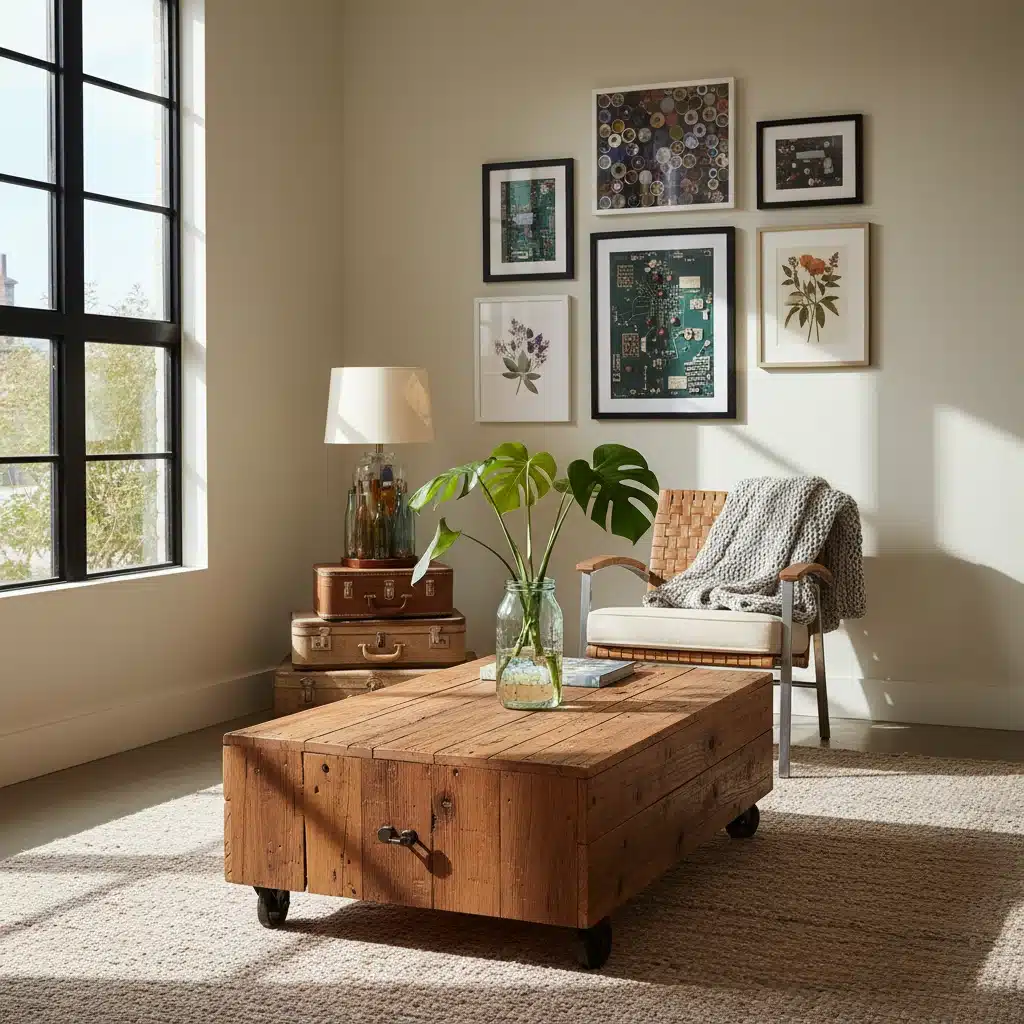
One of the most impactful innovative re-use strategies for your home involves furniture. Instead of discarding old, worn-out pieces or buying new ones, consider the art of upcycling. Upcycling goes beyond simple repair; it involves transforming an item into something of higher value or quality than its original state. In 2026, upcycled furniture is not just a DIY hobby; it’s a design movement, with pieces often fetching premium prices due to their unique character and sustainable origins.
Insider Knowledge: Identifying Upcycling Potential
The key to successful furniture upcycling lies in seeing potential where others see junk. Look for pieces with good bones – solid wood, sturdy frames, and interesting shapes. Don’t be deterred by surface scratches, outdated finishes, or even missing hardware; these are often easy fixes or opportunities for creative embellishment. For instance, an old dresser with a broken leg can become a stylish console table with a new base, or a set of mismatched dining chairs can be unified with a fresh coat of paint and new upholstery, creating an eclectic yet cohesive look.
Practical Solutions: Getting Started with Furniture Upcycling
- Assess and Plan: Before you start, thoroughly inspect the piece. What are its strengths? What are its weaknesses? Sketch out your ideas. Do you want to paint it, sand it, add new components, or change its function entirely?
- Essential Tools: A basic toolkit for furniture upcycling includes sandpaper (various grits), paint brushes/rollers, primer, paint, wood filler, and a screwdriver. For more ambitious projects, you might need a saw, drill, or upholstery tools.
- Surface Preparation is Key: No matter your chosen finish, proper surface preparation is crucial. Clean the item thoroughly, sand off old finishes, repair any damage with wood filler, and apply a good primer. This ensures your new finish adheres well and lasts longer.
- Creative Finishes: Experiment with different paint techniques – distressing for a vintage look, stenciling for added pattern, or even decoupage with fabric or paper. Consider adding new hardware like handles or knobs to completely change the aesthetic.
- Repurpose for New Functionality: Think outside the box. An old ladder can become a unique bookshelf. A vintage suitcase can be transformed into a pet bed or a stylish storage box. An unused crib can be converted into a desk or a craft table. These are truly innovative re-use strategies in action.
2. Culinary Creativity: Zero-Waste Kitchen & Food Scraps Revolution
The kitchen is often a significant source of household waste, particularly food waste. However, with a mindset focused on innovative re-use strategies, your kitchen can become a model of zero-waste living. This goes beyond composting; it’s about maximizing the value of every ingredient and creatively repurposing what would traditionally be discarded.
Insider Knowledge: Unlocking Hidden Culinary Potential
Many parts of fruits and vegetables that we routinely discard are actually packed with nutrients and flavor. Carrot tops, broccoli stems, citrus peels, and even coffee grounds have untapped culinary potential. Understanding how to utilize these ‘scraps’ is a game-changer for reducing food waste and enriching your diet.
Practical Solutions: Kitchen Re-Use Hacks
- Vegetable Scrap Broth: Keep a bag in your freezer for vegetable scraps like onion skins, carrot peels, celery ends, and herb stems. Once full, simmer them with water for a rich, flavorful homemade vegetable broth – a fundamental innovative re-use strategy for any aspiring zero-waste chef.
- Citrus Peel Power: Don’t throw away those lemon and orange peels! Candied citrus peels make a delicious snack or garnish. You can also infuse vinegar with citrus peels to create a natural, effective all-purpose cleaner.
- Regrowing Vegetables: Many vegetables can be regrown from their scraps. Place the root end of romaine lettuce, celery, green onions, or leeks in a shallow dish of water, and watch them sprout new growth. This is a simple yet powerful example of innovative re-use strategies at work.
- Coffee Ground Uses: Used coffee grounds are excellent for your garden as a soil amendment, deterring pests, and adding nitrogen. They can also be used as a natural body scrub or deodorizer for your fridge.
- Stale Bread Transformations: Stale bread is perfect for making croutons, breadcrumbs, or French toast. Don’t let it go to waste!
3. Textile Transformations: Breathing New Life into Old Fabrics
Fast fashion has led to an abundance of textile waste. However, with creative thinking, old clothes, linens, and fabric scraps can be given entirely new purposes, making textile transformation a cornerstone of modern innovative re-use strategies. This isn’t just about mending; it’s about reinvention.
Insider Knowledge: Fabric’s Second Life
Understanding different fabric types and their properties can open up a world of re-use possibilities. Cotton is versatile for cleaning, crafting, and even paper-making. Denim is incredibly durable and perfect for sturdy projects. Silk and satin can be transformed into luxurious accessories. Even seemingly unusable scraps can be pieced together for patchwork or stuffing.
Practical Solutions: Creative Fabric Re-Use
- T-Shirt Yarn and Rugs: Old t-shirts can be cut into strips to create ‘t-shirt yarn,’ which can then be crocheted or knitted into durable rugs, baskets, or even pet toys. This is a fantastic way to extend the life of worn-out garments.
- Denim Delights: Worn-out jeans are a goldmine for re-use. Transform them into practical tote bags, sturdy aprons, stylish coasters, or even patchwork quilts. The durable nature of denim makes it ideal for projects that need to withstand wear and tear.
- Quilting and Patchwork: Fabric scraps of all sizes can be saved and used for quilting projects, creating beautiful and unique blankets, wall hangings, or even clothing embellishments. This celebrates the beauty of imperfection and variety.
- Cleaning Rags and Cloth Napkins: Instead of buying paper towels, cut old towels, t-shirts, or bed sheets into absorbent cleaning rags. Similarly, old linen or cotton fabrics can be hemmed to create reusable cloth napkins, significantly reducing paper waste.
- No-Sew Projects: For those less inclined to sew, consider no-sew fabric projects. Old sweaters can be cut and reformed into cozy pet beds or draft stoppers. Fabric can be wrapped around old boxes to create decorative storage. These simple innovative re-use strategies require minimal effort but yield great results.
4. Digital Detox & Tech Re-Purpose: Giving Gadgets a Second Chance
In our rapidly advancing technological world, electronic waste (e-waste) is a growing concern. While recycling e-waste is crucial, adopting innovative re-use strategies for old gadgets can prevent them from entering the waste stream prematurely and even create new functionalities for them within your home.
Insider Knowledge: The Longevity of Legacy Tech
Many older electronics, even if they can’t run the latest software, still have perfectly functional components. An old smartphone might not be fast enough for modern apps, but its camera, screen, and processing power can be repurposed. Understanding the core capabilities of your old tech is key to giving it a second life.
Practical Solutions: Smart Tech Re-Use
- Old Smartphones/Tablets as Smart Hubs: An older smartphone or tablet can be repurposed as a dedicated smart home controller, a security camera monitor, a digital photo frame, or even a dedicated music player. This prevents you from needing to buy new single-purpose devices.
- Laptops to Home Servers/Media Centers: An outdated laptop can be given new life as a home media server, storing movies, music, and photos accessible by other devices. It can also be converted into a dedicated network-attached storage (NAS) device or a simple web server.
- DIY Smart Speakers: With a Raspberry Pi and an old speaker, you can create your own smart speaker using open-source voice assistants, giving new purpose to components that might otherwise be discarded.
- External Monitors for Productivity: Even if an old computer is slow, its monitor is often still perfectly functional. Connect it to a newer laptop for a dual-screen setup, boosting productivity without purchasing a new display.
- Donation and Refurbishment: If you can’t find a re-use for your old tech, consider donating it to charities or organizations that refurbish electronics for those in need. Many schools and non-profits benefit greatly from working, even if older, devices. This is a vital part of comprehensive innovative re-use strategies for tech.
5. Creative Container Culture: Bottles, Jars, and Tins Transformed
Every household accumulates a surprising number of glass jars, plastic bottles, and metal tins. Instead of tossing them into the recycling bin every week, these containers offer endless possibilities for innovative re-use strategies, transforming mundane items into functional and decorative elements for your home.
Insider Knowledge: The Versatility of Common Containers
Glass jars are food-safe, durable, and aesthetically pleasing. Plastic bottles are lightweight and can be easily cut and molded. Metal tins offer sturdy storage and often come with attractive designs. Recognizing the inherent qualities of each container type allows for more effective repurposing.
Practical Solutions: Container Re-Use Ideas
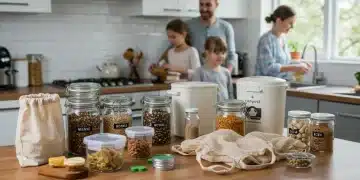
- Stylish Storage Solutions: Glass jars are perfect for pantry organization (pasta, rice, spices), bathroom storage (cotton balls, Q-tips), or craft supplies (buttons, beads). Label them beautifully for an organized and aesthetically pleasing look.
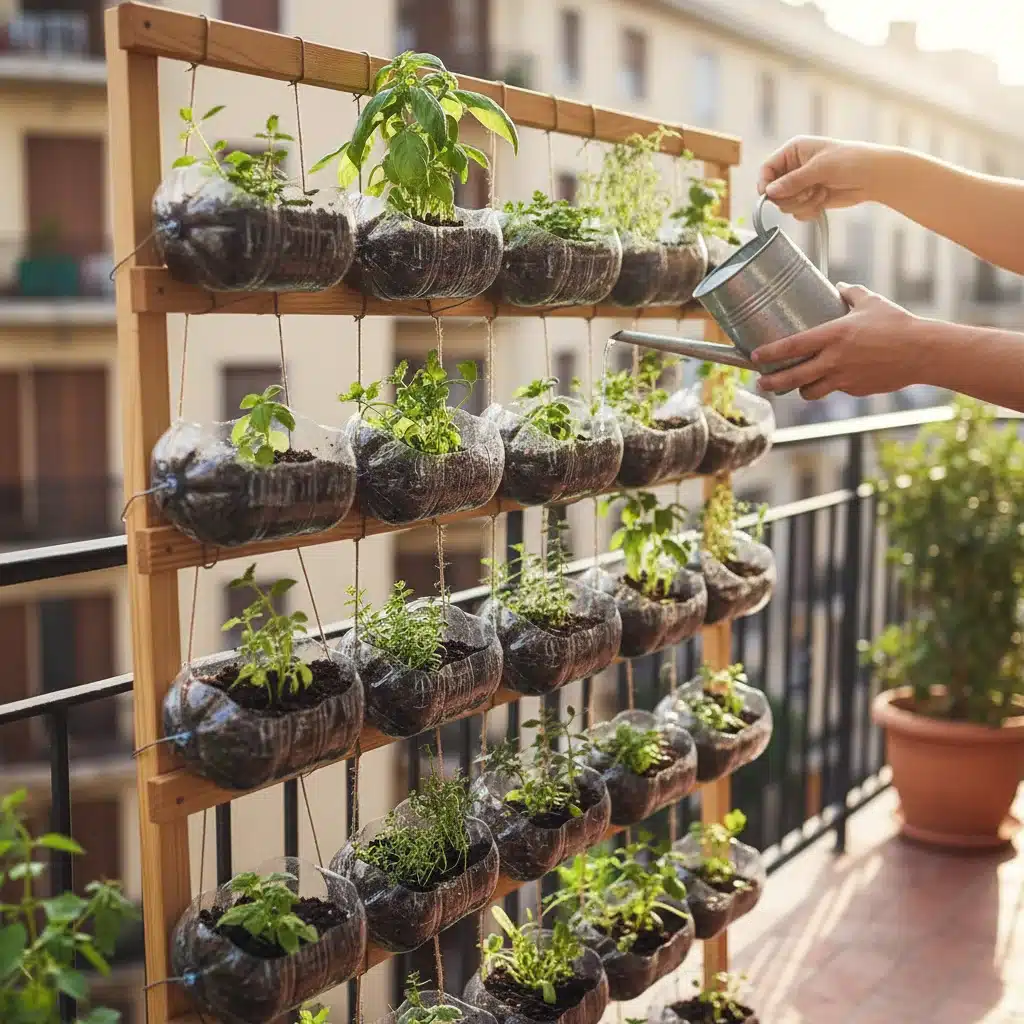
- DIY Planters and Terrariums: Large glass jars can become charming terrariums, while smaller ones can serve as mini-planters for succulents or herbs. Plastic bottles, especially 2-liter ones, can be cut and adapted into self-watering planters or vertical gardens. This is a prime example of applying innovative re-use strategies to horticulture.
- Crafty Decor and Lighting: Decorate glass bottles with paint, glitter, or string lights to create unique vases, candle holders, or ambient lighting. Old metal tins can be painted and used as decorative pen holders, brush holders, or even small desk organizers.
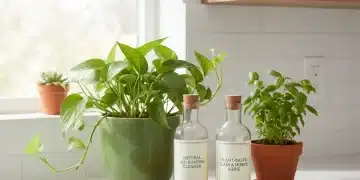
- Homemade Cleaning Product Dispensers: Repurpose old spray bottles for homemade cleaning solutions (e.g., vinegar and water, essential oil cleaners). This reduces plastic waste from buying new bottles and allows you to control the ingredients.
- Emergency Preparedness Kits: Larger plastic containers with lids can be excellent for creating small emergency kits for your car or home, storing first-aid supplies, batteries, or other essentials.
The Broader Impact of Innovative Re-Use Strategies
Embracing these innovative re-use strategies extends far beyond individual household benefits. On a macro level, it contributes significantly to reducing landfill waste, conserving natural resources, and decreasing the energy required for manufacturing new products. It challenges the linear ‘take-make-dispose’ economic model and champions a circular economy where resources are kept in use for as long as possible.
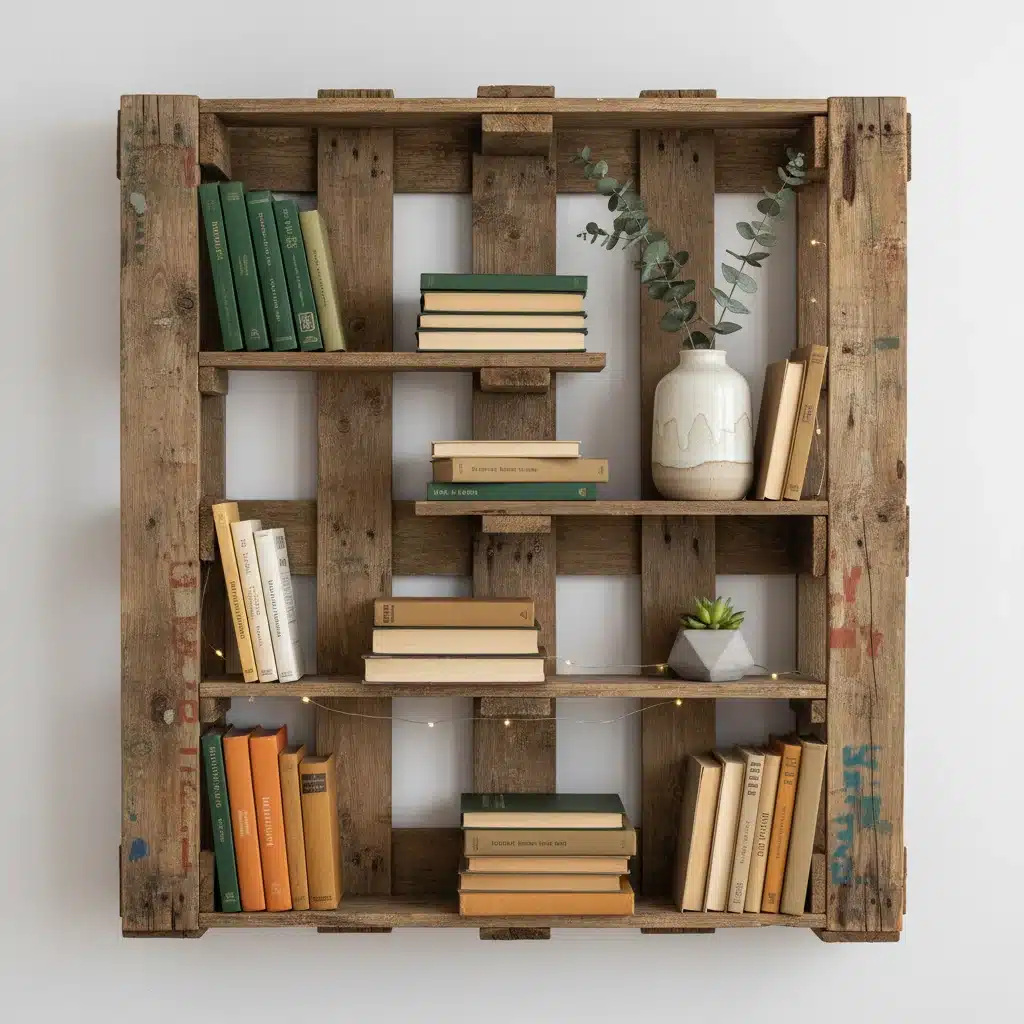
Furthermore, re-use fosters a deeper connection with the items we own. When you transform an old pallet into a bookshelf or a glass jar into a planter, you infuse it with your creativity and effort, giving it a unique story and personal value that mass-produced items often lack. This shift in perspective is powerful; it encourages mindful consumption and appreciation for durability and craftsmanship.
Overcoming Challenges in Re-Use
While the benefits are clear, adopting innovative re-use strategies might come with its challenges. Space for storing items awaiting transformation, the initial time investment in learning new skills, and sometimes the difficulty in sourcing specific materials can be deterrents. However, these challenges can be overcome with planning and community engagement.
- Start Small: Don’t try to overhaul your entire home at once. Pick one area, like your kitchen or a specific piece of furniture, and focus on that.
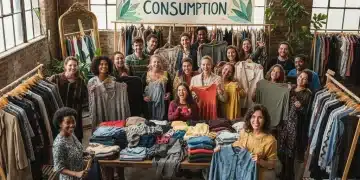
- Community Resources: Look for local ‘Freecycle’ groups, community workshops, or online forums where you can exchange items, tools, and knowledge. These platforms are excellent for finding materials or getting advice on your re-use projects.
- Embrace Imperfection: Upcycled items often carry a unique charm precisely because they aren’t factory-perfect. Embrace the quirks and character that come with giving items a second life.
- Skill Building: There are countless online tutorials, workshops, and books available to help you learn basic carpentry, sewing, or painting techniques. View it as an opportunity to develop new hobbies and skills.
Conclusion: Building a Sustainable Future, One Re-Used Item at a Time
As we navigate 2026 and look towards a more sustainable future, embracing innovative re-use strategies is not just an option; it’s a necessity. Moving beyond the conventional limits of recycling, we unlock a world of creativity, resourcefulness, and environmental responsibility. From transforming old furniture into bespoke masterpieces to revolutionizing kitchen waste, and giving new purpose to textiles, tech, and everyday containers, the possibilities are boundless.
By integrating these practical solutions and insider knowledge into your daily life, you become an active participant in the circular economy. You reduce your ecological footprint, save money, and cultivate a unique, character-filled home. So, next time you’re about to discard something, pause and consider its hidden potential. With a little imagination and effort, you can turn trash into treasure, building a more sustainable and beautiful world, one re-used item at a time.