Ethical Consumption 2026: A 6-Step Guide to a More Sustainable Wardrobe
Anúncios
In an era where environmental consciousness is no longer a niche concern but a global imperative, the fashion industry stands at a critical juncture. The fast-fashion model, with its relentless pursuit of trends and disposable garments, has left an indelible mark on our planet, contributing significantly to pollution, waste, and unethical labor practices. However, a powerful counter-movement is gaining momentum: ethical consumption, particularly within the realm of fashion. As we look towards 2026, the concept of a sustainable wardrobe guide is not just a trend; it’s a necessity, a commitment to a more responsible and equitable future.
Building a sustainable wardrobe might seem daunting at first. The sheer volume of information, the greenwashing tactics employed by some brands, and the perceived higher cost can deter even the most well-intentioned consumers. But fear not! This comprehensive 6-step guide is designed to demystify the process, offering practical solutions and insider knowledge to help you navigate the world of ethical fashion. We believe that true style is not about owning the most, but about owning well, with intention and integrity. By adopting these steps, you’ll not only reduce your environmental footprint but also cultivate a wardrobe that reflects your values, lasts longer, and ultimately brings you more joy.
This guide is for everyone—whether you’re just starting your sustainable fashion journey or looking to deepen your commitment. We’ll cover everything from understanding the impact of your purchases to extending the life of your clothes, and even how to responsibly part with items you no longer need. Let’s embark on this transformative journey towards a more ethical and sustainable wardrobe together.
Step 1: Understand Your Current Wardrobe and Consumption Habits
Before you can build a truly sustainable wardrobe, you need to understand what you already have and how you acquire new items. This initial step is crucial for identifying patterns, understanding your needs, and preventing unnecessary purchases. It’s about taking a mindful inventory, both physically and psychologically.
The Wardrobe Audit: What Do You Really Own?
Start by taking everything out of your closet and drawers. Yes, everything. This might seem overwhelming, but it’s the most effective way to truly see what you possess. As you go through each item, ask yourself these questions:
- Do I wear this regularly? If not, when was the last time I wore it?
- Does it fit well?
- Is it in good condition? Are there any rips, stains, or damage?
- Does it align with my current style and needs?
- Do I feel good when I wear it?
Categorize your clothes into three piles: Keep, Repair/Alter, and Let Go. The “Keep” pile should be items you genuinely love, wear often, and that fit well. The “Repair/Alter” pile is for items that need a little love to become wearable again. The “Let Go” pile is for everything else. This process helps you visualize the true extent of your wardrobe and identify “orphan” items that don’t integrate with other pieces.
Analyzing Your Consumption Habits: The ‘Why’ Behind Your Purchases
Once you’ve audited your physical wardrobe, it’s time to reflect on your purchasing habits. Keep a “fashion diary” for a month or two, noting down every clothing purchase you make. For each item, ask:
- Why did I buy this? Was it a need, an impulse, a trend, or a sale?
- Where did I buy it? Fast fashion retailer, second-hand store, ethical brand?
- How much did it cost?
- How often do I expect to wear it?
This self-reflection is critical for understanding the emotional and practical drivers behind your consumption. Are you prone to impulse buys? Do you buy clothes for specific events and then never wear them again? Identifying these patterns is the first step towards breaking free from unsustainable shopping habits and moving towards a more thoughtful approach to your sustainable wardrobe guide.
Step 2: Research and Prioritize Ethical and Sustainable Brands
The fashion landscape is complex, with thousands of brands vying for your attention. For a truly sustainable wardrobe, it’s essential to shift your focus from “what” you buy to “who” you buy from and “how” it’s made. This step involves becoming an informed consumer, capable of discerning genuine ethical practices from mere marketing ploys.
Understanding Certifications and Labels
Navigating the world of sustainable fashion can be confusing due to the proliferation of labels and certifications. Here are some key certifications to look for and what they signify:
- GOTS (Global Organic Textile Standard): Ensures organic status of textiles from harvesting of raw materials through environmentally and socially responsible manufacturing and labeling.
- Fair Trade Certified: Guarantees fair wages, safe working conditions, and community development for farmers and factory workers.
- OEKO-TEX Standard 100: Certifies that textiles and fabrics are free from harmful chemicals, making them safe for human use.
- Bluesign®: A system that provides solutions for sustainable textile production, eliminating harmful substances from the beginning of the manufacturing process.
- B Corp Certification: Awarded to companies that meet high standards of verified performance, accountability, and transparency on factors from employee benefits and charitable giving to supply chain practices and input materials.
While these certifications are excellent indicators, remember that not all small, ethical brands can afford the certification process. Look for transparency in their supply chain, mission statements, and detailed information about their manufacturing processes.
Key Factors for Identifying Sustainable Brands
Beyond certifications, several factors indicate a brand’s commitment to sustainability:
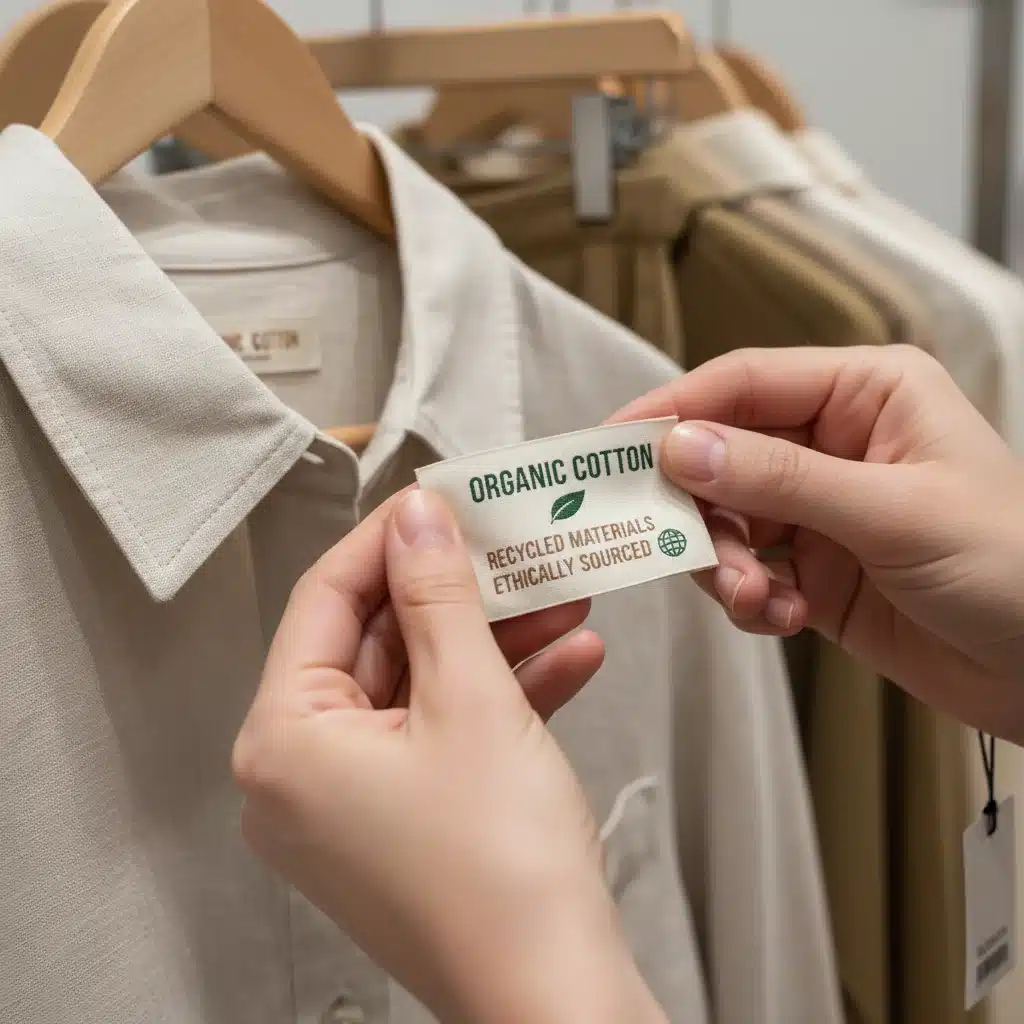
- Material Sourcing: Prioritize brands using sustainable materials like organic cotton, linen, hemp, Tencel (lyocell), recycled polyester, or innovative bio-based fabrics. Avoid virgin synthetic fibers and conventionally grown cotton where possible.
- Production Practices: Look for brands that employ eco-friendly manufacturing processes, such as reduced water usage, non-toxic dyes, and renewable energy sources.
- Labor Practices: Investigate if brands pay fair wages, provide safe working conditions, and respect workers’ rights. Transparency about their factories and supply chain is a good sign.
- Durability and Quality: Sustainable clothing is made to last. Brands that focus on high-quality construction and timeless designs encourage longevity, reducing the need for frequent replacements.
- Circular Economy Principles: Some brands offer repair services, take-back programs for old garments, or design for recyclability, contributing to a circular fashion system.
Utilize resources like directories of ethical brands (e.g., Good On You, Ethical Consumer) and sustainability reports to inform your choices. Remember, nobody is perfect, but continuous improvement and transparency are key. This step is fundamental to building a truly sustainable wardrobe guide.
Step 3: Embrace Second-Hand, Vintage, and Swapping
One of the most impactful ways to build a sustainable wardrobe is to reduce your reliance on new production. The fashion industry’s environmental footprint is largely due to the resources consumed in manufacturing new garments. By embracing second-hand, vintage, and clothing swaps, you not only extend the life of existing clothes but also discover unique pieces and save money.
The Treasure Hunt: Second-Hand and Vintage Shopping
Thrift stores, consignment shops, and vintage boutiques are treasure troves for unique and affordable fashion. Shopping second-hand prevents clothes from ending up in landfills and reduces the demand for new production. Here’s how to make the most of it:
- Be Patient: Finding gems often requires time and persistence. Don’t get discouraged if you don’t find something on your first visit.
- Inspect Carefully: Check for stains, tears, missing buttons, and functional zippers. While some minor flaws can be repaired, be realistic about what you’re willing to fix.
- Think Beyond the Label: Don’t limit yourself by size tags, as vintage sizing can differ. Focus on fit and how the garment makes you feel.
- Online Second-Hand Marketplaces: Platforms like ThredUp, Poshmark, Depop, and Vestiaire Collective offer a vast selection of pre-owned clothing, often from specific brands or designers.
Vintage clothing, in particular, often boasts superior quality and unique designs that stand the test of time, making it an excellent addition to your sustainable wardrobe. It’s a way to own a piece of history and express your individuality without contributing to fast fashion’s negative impacts.
Community and Connection: Clothing Swaps
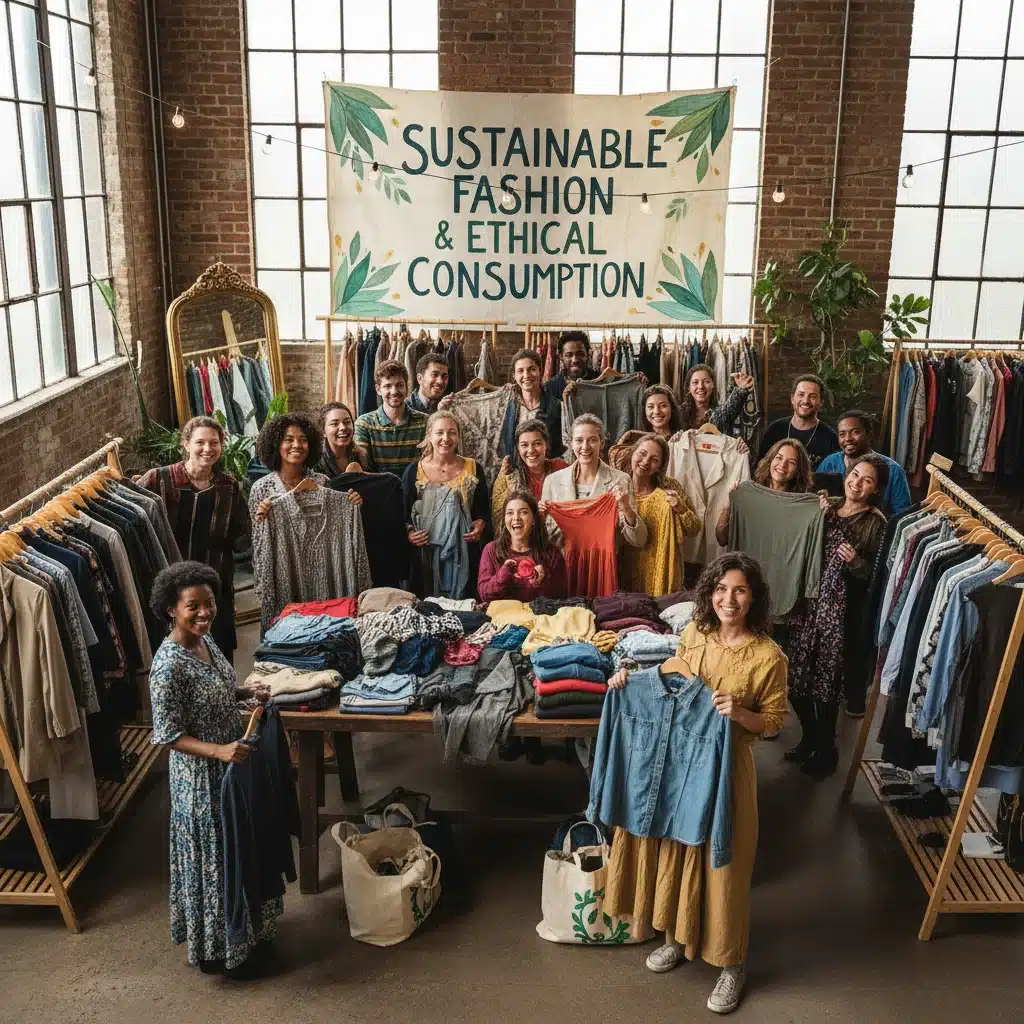
Clothing swaps are fantastic, eco-friendly events where you can refresh your wardrobe for free while decluttering your own closet. They foster a sense of community and provide a fun, social way to practice ethical consumption.
- Organize Your Own: Gather friends, family, or community members. Set guidelines for the quality of clothes to bring (clean, gently used).
- Attend Local Swaps: Check community centers, eco-groups, or social media for local clothing swap events.
- Benefits: Get “new” clothes without spending money, reduce textile waste, and connect with like-minded individuals.
Embracing second-hand and swaps is a powerful statement against disposable fashion, actively contributing to a circular economy and a more ethical approach to your sustainable wardrobe guide.
Step 4: Invest in Quality Over Quantity and Build a Capsule Wardrobe
The allure of cheap, trendy clothing is strong, but it’s a trap that leads to overconsumption and waste. A cornerstone of building a sustainable wardrobe is shifting your mindset from quantity to quality and focusing on versatility. This approach not only benefits the planet but also simplifies your life and saves you money in the long run.
The ‘Buy Less, Choose Well, Make it Last’ Mantra
This phrase, often attributed to Vivienne Westwood, encapsulates the philosophy behind a sustainable wardrobe. Instead of buying numerous low-cost items that quickly fall apart or go out of style, invest in fewer, higher-quality pieces that are durable, timeless, and versatile. While the initial investment might be higher, the cost per wear will be significantly lower, and you’ll avoid the constant cycle of replacement.
- Durability: Look for well-constructed seams, quality fabrics (like natural fibers or durable blends), and attention to detail.
- Timelessness: Opt for classic styles and colors that transcend fleeting trends. These pieces will remain fashionable for years.
- Versatility: Choose items that can be mixed and matched with various other pieces in your wardrobe, suitable for multiple occasions.
Building a Capsule Wardrobe
A capsule wardrobe is a curated collection of essential, versatile clothing items that can be easily interchanged to create a multitude of outfits. The goal is to maximize your options with a minimal number of pieces, reducing decision fatigue and promoting mindful consumption.
- Define Your Style: Understand your personal aesthetic, lifestyle, and the colors that flatter you.
- Choose a Color Palette: Select a base color (e.g., black, navy, grey) and a few accent colors that complement each other.
- Select Key Pieces: Identify essential items like well-fitting jeans, versatile tops, a classic jacket, and comfortable shoes that can be dressed up or down. Aim for pieces that can serve multiple purposes (e.g., a dress that works for both casual and formal settings).
- Quality Over Quantity: Every item in your capsule should be of good quality and something you genuinely love and feel good wearing.
A capsule wardrobe isn’t about deprivation; it’s about liberation from excessive choices and the constant pressure to buy new. It empowers you to create a functional, stylish, and sustainable wardrobe that truly serves you.
Step 5: Master the Art of Clothing Care, Repair, and Upcycling
Even the most sustainably sourced and ethically produced garments won’t last if they’re not properly cared for. Extending the lifespan of your clothes through mindful care, timely repairs, and creative upcycling is a crucial step in maintaining a sustainable wardrobe. This approach minimizes waste, reduces the need for new purchases, and honors the resources that went into making your clothing.
Mindful Clothing Care for Longevity
Proper care can significantly extend the life of your garments. Often, we inadvertently damage clothes through incorrect washing, drying, or storage. Here are some tips:
- Read Care Labels: Always follow the instructions on the garment’s care label. They are there for a reason!
- Wash Less: Many items don’t need to be washed after every wear. Airing out clothes, spot cleaning, or steaming can refresh them.
- Use Cold Water: Washing in cold water saves energy, reduces color fading, and is gentler on fabrics.
- Air Dry When Possible: Tumble dryers consume a lot of energy and can be harsh on clothes, leading to shrinkage and fiber damage. Air drying is a more sustainable and gentle option.
- Gentle Detergents: Choose eco-friendly, biodegradable detergents that are free from harsh chemicals.
- Proper Storage: Store clothes correctly to prevent damage. Fold knits to avoid stretching, hang delicate items carefully, and keep clothes in a dry, well-ventilated space.
Repair Don’t Replace: The Revival of Mending
In a disposable society, the art of mending has been largely forgotten. However, repairing clothes is a powerful act of sustainability and a skill worth cultivating. A small tear, a loose button, or a broken zipper doesn’t have to mean the end of a garment’s life.
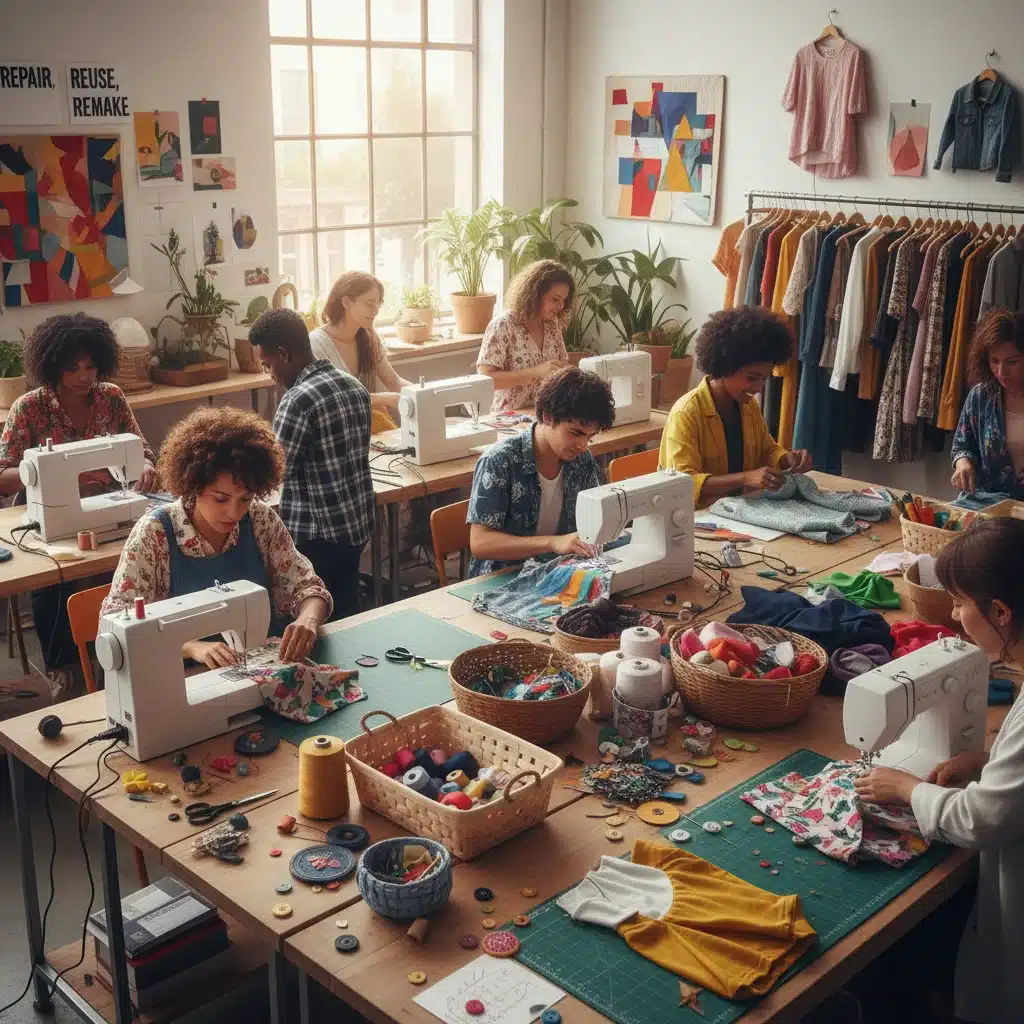
- Basic Sewing Skills: Learn simple stitches for mending seams, reattaching buttons, or patching small holes. There are countless online tutorials and local workshops available.
- Professional Alterations/Repairs: For more complex issues, find a local tailor or seamstress. Supporting these small businesses also contributes to your local economy.
- Visible Mending: Embrace the beauty of visible mending, where repairs are intentionally highlighted as a design feature. This celebrates the garment’s journey and adds character.
Creative Transformation: Upcycling and Repurposing
When a garment is truly past its prime or no longer fits your style, consider upcycling or repurposing it before discarding it. This creative process transforms old items into new, valuable ones, diverting them from landfills.
- DIY Projects: Turn old jeans into shorts or a skirt, t-shirts into tote bags or cleaning rags, or sweaters into mittens.
- Fabric for Crafts: Use old fabric scraps for quilting, patchwork, or other craft projects.
- Donation for Upcycling: Some organizations collect old textiles specifically for upcycling into new products.
By mastering these skills, you not only extend the life of your clothing but also develop a deeper appreciation for your wardrobe, a key component of any sustainable wardrobe guide.
Step 6: Responsible Disposal and Circularity
Even with the best intentions and meticulous care, there comes a time when garments reach the end of their useful life for you. The final step in building a sustainable wardrobe is ensuring responsible disposal, embracing the principles of circularity rather than contributing to landfill waste. This means thinking beyond the bin and exploring options that give your clothes a second, third, or even fourth life.
Don’t Just Toss It: Explore Donation Options
Before you consider throwing away clothes, think about donation. However, not all donations are created equal. It’s important to donate responsibly:
- Donate Usable Items: Only donate clothes that are still in good, wearable condition. If you wouldn’t give it to a friend, don’t donate it to a charity. Stained, ripped, or broken items often end up in landfills anyway, costing charities money to process.
- Reputable Charities: Research local charities and shelters that can genuinely benefit from your clothing donations. Some organizations specialize in providing professional attire for job seekers, while others support specific community needs.
- Clothing Banks: Many communities have clothing banks or textile recycling bins for items that are not suitable for direct re-wear but can be recycled into new fibers or industrial rags.
Be mindful of the global impact of clothing donations. The sheer volume of discarded clothing from wealthier nations can overwhelm markets in developing countries, harming local textile industries. Donate thoughtfully and locally when possible.
Textile Recycling: The Last Resort (But a Better One)
For items that are truly unwearable, stained beyond repair, or made of materials that can’t be easily repurposed, textile recycling is the next best option. Textile recycling facilities break down fabrics into fibers that can be used to create new textiles, insulation, or other products.
- Check Local Facilities: Research textile recycling programs in your area. Some municipalities offer curbside pickup, while others have drop-off locations.
- Brand Take-Back Programs: Many conscious fashion brands and even some fast-fashion retailers (though approach with caution regarding their overall sustainability) offer take-back programs for old clothing, regardless of where it was purchased. They often partner with textile recyclers.
- Understanding Limitations: While textile recycling is valuable, it’s not a perfect solution. Blended fabrics (e.g., cotton-polyester) are harder to recycle, and the process itself can be energy-intensive. This is why reducing consumption and extending garment life are always preferred.
Embracing a Circular Fashion Mindset
Ultimately, responsible disposal is about embracing a circular fashion mindset. This means viewing clothing not as a linear product (made, used, discarded) but as a continuous cycle where materials are kept in use for as long as possible. It involves:
- Designing for Longevity: Choosing clothes that are built to last.
- Designing for Recyclability: Supporting brands that consider the end-of-life of their products.
- Reusing and Repairing: Extending the active life of garments.
- Recycling: Recovering materials to create new products when garments can no longer be worn.
By consciously managing the end-of-life of your clothing, you complete the sustainable wardrobe cycle, ensuring that your fashion choices contribute to a healthier planet and a more equitable future. This final step solidifies your commitment to ethical consumption and makes your sustainable wardrobe guide truly holistic.
Conclusion: Your Journey to a Mindful and Stylish Sustainable Wardrobe
Embarking on the journey to a sustainable wardrobe is more than just a trend; it’s a conscious decision to align your values with your daily choices. The six steps outlined in this guide — understanding your habits, researching ethical brands, embracing second-hand, investing in quality, mastering care and repair, and responsible disposal — provide a comprehensive roadmap for transforming your closet and your relationship with fashion. As we move towards 2026 and beyond, the impact of our individual choices collectively shapes the future of our planet and its people.
Remember, building a sustainable wardrobe is not about perfection overnight, but about progress over time. It’s a continuous learning process, a gradual shift in mindset, and a commitment to mindful consumption. There will be challenges, moments of temptation, and perhaps even some missteps. What matters is your dedication to making more informed, ethical, and eco-conscious decisions. Each thoughtful purchase, each repair, each responsible disposal contributes to a larger movement that is reshaping the fashion industry for the better.
By adopting these practices, you’re not only cultivating a wardrobe that is stylish, durable, and reflective of your personal values, but you’re also becoming an agent of change. You’re supporting brands that prioritize people and the planet, reducing waste, and inspiring others to join the ethical fashion revolution. Your sustainable wardrobe guide is a testament to your commitment to a more responsible future.
So, take these steps, integrate them into your lifestyle, and wear your sustainable wardrobe with pride. Your choices have power, and together, we can create a fashion industry that is truly beautiful, inside and out. The future of fashion is sustainable, and you are a vital part of it.