Your 2026 Roadmap to Eco-Friendly Cleaning: Eliminating 90% of Chemicals
Anúncios
Transforming your home into a chemical-free sanctuary by eliminating 90% of conventional cleaning products is an achievable goal for 2026, offering significant benefits for health and environmental sustainability through strategic adoption of natural alternatives and conscious practices.
Are you ready to redefine cleanliness in your home for a healthier, more sustainable future? Your 2026 Roadmap to Eco-Friendly Cleaning: Eliminating 90% of Chemical Products from Your Home is not just a lofty ideal, but a practical and attainable goal that aligns with the evolving consciousness of green living. This guide will help you navigate the transition, proving that a sparkling clean home doesn’t require harsh chemicals, but rather smart choices and natural ingenuity.
Understanding the Impact of Traditional Cleaning Chemicals
Before we embark on our eco-friendly journey, it’s crucial to grasp why reducing chemical reliance is so vital. Traditional cleaning products, while effective, often contain volatile organic compounds (VOCs), phthalates, ammonia, and chlorine, which can have detrimental effects on both human health and the environment. In 2026, with increasing awareness of indoor air quality and ecological footprints, consciously choosing alternatives has become a paramount concern for many households.
These chemicals can exacerbate respiratory issues like asthma, cause skin irritation, and even contribute to more serious health problems with long-term exposure. Beyond personal health, their disposal impacts water systems, harming aquatic life and disrupting ecosystems. The cumulative effect of millions of households using these products creates a significant environmental burden that we, as responsible citizens, must address.
Health Implications of Common Cleaning Agents
Many conventional cleaners are designed for maximum germ-killing power, but this often comes at a cost. The potent ingredients can linger in the air and on surfaces, becoming a source of chronic exposure. Understanding these risks is the first step towards embracing a safer approach.
- Respiratory issues: Ammonia and bleach fumes can irritate airways and trigger asthma attacks.
- Skin and eye irritation: Corrosive agents can cause burns or severe discomfort upon contact.
- Endocrine disruption: Phthalates, often found in fragranced products, are linked to hormonal imbalances.
- Allergies and sensitivities: Synthetic fragrances and dyes are common allergens.
The long-term effects of these exposures are still being studied, but preliminary findings consistently point towards a need for caution. By reducing our reliance on these substances, we are not just cleaning our homes; we are actively protecting our well-being and that of our families.
In conclusion, recognizing the widespread impact of chemical cleaning products is the foundational step towards adopting a more sustainable and health-conscious approach. This awareness empowers us to seek out and implement safer, natural alternatives that benefit everyone.
Embracing the Power of Natural Cleaning Agents
The heart of an eco-friendly cleaning regimen lies in harnessing the natural antimicrobial, abrasive, and degreasing properties of everyday ingredients. Forget the notion that natural means less effective; in 2026, innovations in green chemistry have made these alternatives incredibly potent. Our goal of eliminating 90% of chemical products is entirely achievable by learning to leverage these simple yet powerful substances.
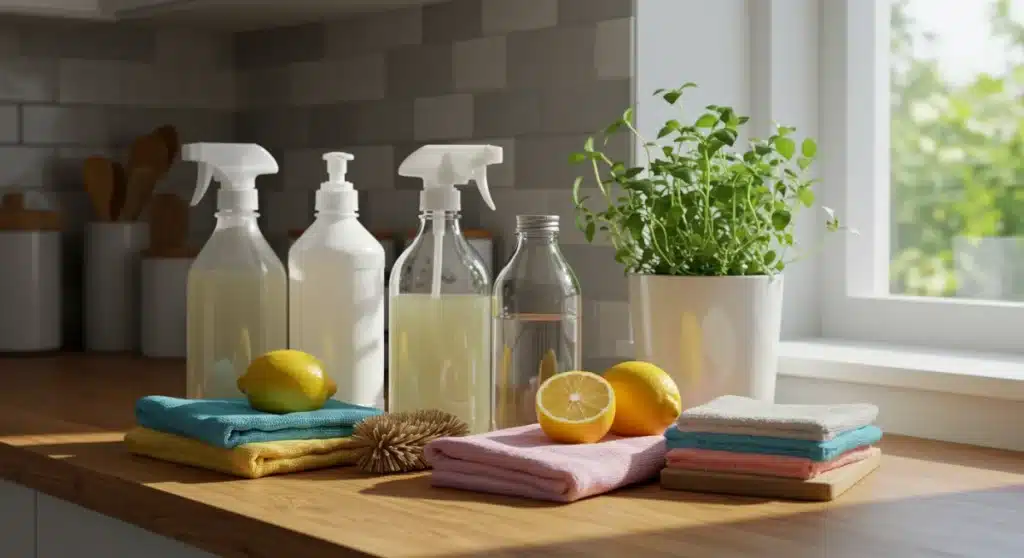
Think of ingredients like white vinegar, baking soda, lemon juice, and castile soap as your new cleaning arsenal. These items are not only non-toxic and biodegradable but also remarkably versatile, capable of tackling a wide range of cleaning tasks from disinfecting surfaces to polishing fixtures. They are readily available, inexpensive, and significantly reduce your exposure to harmful fumes and residues.
Essential Natural Cleaning Staples
Building your green cleaning kit starts with a few key ingredients. These form the basis of most DIY cleaning recipes and can replace a multitude of specialized chemical products.
- White Vinegar: A powerful disinfectant and degreaser, excellent for glass, floors, and descaling.
- Baking Soda: A gentle abrasive, deodorizer, and stain remover, perfect for scrubbing and absorbing odors.
- Lemon Juice: A natural whitener, stain remover, and adds a fresh, clean scent.
- Castile Soap: A versatile, concentrated vegetable-based soap for general cleaning, dishes, and laundry.
- Essential Oils: (e.g., tea tree, lavender, lemon) Add pleasant scents and offer additional antimicrobial properties.
Beyond these staples, consider investing in high-quality microfiber cloths, which can clean effectively with just water, and reusable spray bottles to mix your DIY solutions. These tools minimize waste and maximize the efficacy of your natural ingredients.
The journey to natural cleaning is one of discovery and empowerment. By understanding the capabilities of these simple ingredients, you gain control over what goes into your home and ultimately, into your body. This shift is not just about cleaning; it’s about making informed choices for a healthier lifestyle.
DIY Cleaning Recipes for Every Room
Moving beyond individual ingredients, the next step in your 2026 roadmap is to create effective, multi-purpose cleaning solutions. The beauty of DIY recipes is their simplicity and adaptability. You can customize them to suit your needs and preferences, often with ingredients you already have in your pantry. This section will provide practical recipes to replace common chemical cleaners in various areas of your home.
From kitchen countertops to sparkling bathrooms, these formulations are designed to be efficient, safe, and environmentally friendly. They eliminate the need for harsh chemicals, reducing indoor air pollution and protecting your family from unnecessary exposure. Preparing these solutions takes minimal effort and offers significant peace of mind.
Kitchen Cleaning Solutions
The kitchen is often a hotspot for germs and grease. These natural recipes will keep it pristine without harsh fumes.
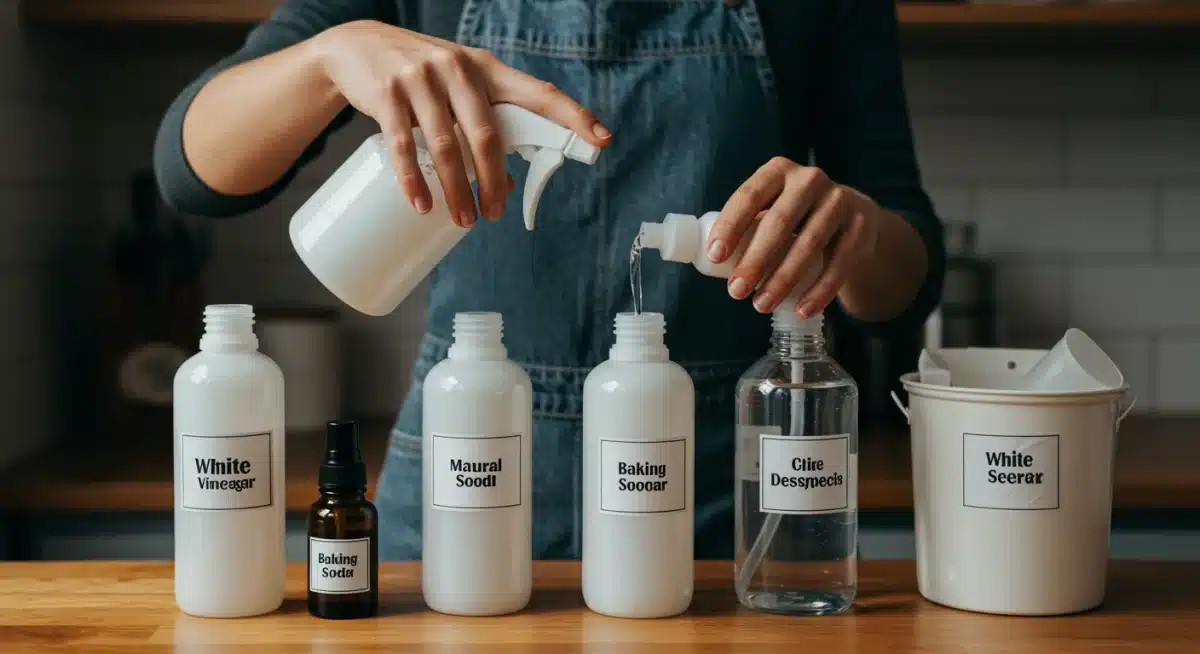
- All-Purpose Cleaner: Mix 1 part white vinegar, 1 part water, and a few drops of essential oil (e.g., lemon, tea tree) in a spray bottle. Use on countertops, sinks, and appliance exteriors.
- Degreaser/Scrubber: Combine baking soda with a little water to form a paste. Apply to greasy surfaces or stubborn grime, let sit, then scrub and rinse.
- Dish Soap Alternative: Use a concentrated castile soap diluted with water for handwashing dishes.
Bathroom Cleaning Solutions
Bathrooms require effective disinfection and stain removal. Natural options rise to the challenge.
- Toilet Bowl Cleaner: Sprinkle baking soda into the bowl, let it sit for 15-30 minutes, then pour in a cup of white vinegar. Scrub with a brush after the fizzing subsides.
- Shower/Tub Scum Remover: Spray vinegar on surfaces, let sit for 10-15 minutes, then scrub with baking soda paste for tough spots.
By adopting these simple DIY recipes, you’ll find that maintaining a clean and fresh home is not only possible with natural ingredients but often more enjoyable due to the absence of overpowering chemical smells. This approach significantly contributes to eliminating 90% of chemical products from your home.
Strategic Product Swaps and Mindful Purchasing
Achieving a 90% reduction in chemical cleaning products also involves a strategic approach to what you buy and how you shop. In 2026, the market for truly green cleaning products has expanded significantly, making it easier to find effective, pre-made alternatives when DIY isn’t feasible or desired. The key is to be a mindful consumer, scrutinizing labels and supporting brands committed to sustainability.
Beyond simply replacing products, it’s about shifting your purchasing habits. Look for certifications, transparent ingredient lists, and companies with strong environmental ethics. This proactive approach ensures that even the 10% of cleaning products you might still purchase are as eco-friendly as possible, aligning perfectly with your broader green living goals.
Identifying Truly Green Products
The term “green” can be broadly applied, so knowing what to look for is essential. Don’t be swayed by marketing jargon; focus on verifiable claims and reputable certifications.
- Third-Party Certifications: Look for labels like EPA Safer Choice, USDA Certified Organic (for ingredients), or Ecocert. These indicate rigorous testing and adherence to strict environmental standards.
- Transparent Ingredient Lists: Reputable brands will clearly list all ingredients, avoiding vague terms like “fragrance” or “surfactants.” Opt for plant-derived or mineral-based components.
- Concentrated Formulas: Concentrates reduce packaging waste and often offer better value.
- Refill Options: Many brands now offer refill pouches or bulk options, minimizing single-use plastic.
When you do need to purchase a cleaning product, consider its entire lifecycle. Can the packaging be recycled or composted? Is the product cruelty-free? These questions guide you towards truly sustainable choices that support your mission to reduce chemical reliance.
By becoming an informed and conscious consumer, you play a vital role in driving demand for genuinely eco-friendly products. This not only benefits your home but also encourages the industry to adopt more sustainable practices across the board.
Beyond Products: Green Cleaning Habits and Tools
Eliminating 90% of chemical cleaning products isn’t solely about what you use, but also how you clean. Adopting green cleaning habits and utilizing sustainable tools can significantly reduce the need for harsh chemicals, making your home cleaner and healthier. In 2026, efficiency and mindfulness are key components of a truly eco-friendly lifestyle, extending to our cleaning routines.
Simple shifts in routine, like wiping spills immediately or using the right tools, can prevent the buildup of grime that often necessitates stronger chemical interventions. This section explores how integrating smarter habits and eco-conscious equipment can amplify your efforts in creating a chemical-free living space.
Cultivating Sustainable Cleaning Practices
Prevention is often the best form of cleaning. By integrating a few simple habits, you can drastically cut down on the amount of cleaning required and, consequently, the products needed.
- Regular Maintenance: Frequent light cleaning prevents heavy grime buildup. Wipe down surfaces daily, sweep floors, and address spills immediately.
- Ventilation: Open windows while cleaning to improve air quality and help surfaces dry naturally, preventing mold and mildew.
- Zone Cleaning: Focus on one area at a time to reduce overwhelm and increase efficiency.
- Decluttering: Less clutter means fewer surfaces to clean and fewer items to move around, simplifying your routine.
These habits, combined with the power of natural cleaning agents, create a holistic approach to home maintenance that is both effective and sustainable. They are about working smarter, not harder, and fostering a healthier environment.
Eco-Friendly Cleaning Tools
The tools you use are just as important as the solutions. Investing in durable, reusable, and sustainable cleaning equipment further supports your chemical reduction goals.
- Microfiber Cloths: Highly effective at trapping dirt and grime, often with just water, reducing the need for sprays.
- Reusable Scrubbers/Brushes: Opt for natural bristle brushes or loofahs instead of disposable sponges that can harbor bacteria.
- Steam Cleaners: Utilize the power of hot steam to sanitize and deep clean without any chemicals, ideal for floors, upholstery, and bathroom surfaces.
- Recycled/Compostable Wipes: If disposable wipes are necessary, choose options made from sustainable materials.
By consciously choosing your cleaning tools and integrating mindful habits, you reinforce your commitment to an eco-friendly home. This comprehensive approach ensures that every aspect of your cleaning routine contributes to a healthier planet and a safer living environment.
Navigating Challenges and Staying Motivated
Transitioning to an almost entirely chemical-free cleaning routine by 2026 might present a few challenges, but with the right mindset and resources, these are easily overcome. It’s important to approach this journey with patience and an understanding that perfection isn’t the goal; consistent progress is. Staying motivated involves celebrating small victories and continuously educating yourself on new sustainable practices.
You might encounter skepticism from family members, or perhaps a stubborn stain that seems to defy natural solutions. These are opportunities for learning and adaptation, not reasons to revert to old habits. Remember your core motivation: a healthier home and a lighter environmental footprint. This long-term vision will be your guiding star.
Common Hurdles and Solutions
Anticipating potential difficulties allows you to prepare effective strategies to overcome them, ensuring a smoother transition to eco-friendly cleaning.
- Stubborn Stains: For exceptionally tough stains, targeted natural remedies or a very minimal application of a powerful, eco-certified product can be a last resort. Research specific natural solutions for different types of stains.
- Initial Cost: While natural ingredients are cheap, initial investments in reusable tools or concentrated green products might seem higher. However, they typically save money in the long run.
- Time Commitment: DIY solutions require a little prep time. Batch-making cleaners once a month can make this more manageable.
- Perception of Cleanliness: Some associate strong chemical smells with cleanliness. Educate yourself and others that a truly clean home smells fresh, not chemically perfumed.
Community support, online forums, and eco-conscious groups can also provide valuable tips and encouragement. Sharing your experiences and learning from others who are on a similar journey can be a powerful motivator.
Staying motivated is about connecting with the deeper purpose of your actions. Every chemical product you eliminate, every natural solution you adopt, is a step towards a healthier lifestyle and a more sustainable future. Embrace the process, learn from challenges, and enjoy the profound benefits of your eco-friendly home.
Looking Ahead: The Future of Eco-Friendly Cleaning in 2026 and Beyond
As we look towards 2026 and beyond, the landscape of eco-friendly cleaning is continuously evolving, driven by innovation, consumer demand, and a deeper understanding of environmental science. The goal of eliminating 90% of chemical products from our homes is not just a trend; it’s a foundational shift towards a more sustainable and health-conscious way of living. Future developments promise even more accessible and effective green solutions.
Expect to see further advancements in plant-based cleaning technologies, biodegradable packaging, and smart home devices that optimize cleaning efficiency with minimal resource use. The focus will increasingly be on circular economy principles, where products are designed for longevity, reuse, and ultimately, harmless return to nature. Your roadmap is part of a larger, global movement towards a greener future.
Emerging Trends and Technologies
The green cleaning sector is dynamic, with exciting innovations constantly appearing on the horizon that will further simplify and enhance your eco-friendly efforts.
- Biotechnology Cleaners: Products utilizing beneficial microbes or enzymes to break down dirt and odors, offering deep cleaning without harsh chemicals.
- Waterless Cleaning Solutions: Innovations in concentrated formulas and specialized cloths that require minimal or no water, conserving a precious resource.
- Smart Dispenser Systems: Automated systems that precisely measure and dispense concentrated natural cleaners, reducing waste and ensuring optimal use.
- Advanced Material Science: Development of self-cleaning surfaces or materials that naturally resist microbes and grime, further reducing cleaning frequency.
These future developments reinforce the idea that a chemical-free home is not just a possibility but an inevitable and desirable reality. By adopting the principles outlined in this 2026 roadmap, you are not only preparing your home for the present but also aligning it with the leading edge of sustainable living. Your commitment today paves the way for a healthier, cleaner tomorrow.
| Key Point | Brief Description |
|---|---|
| Chemical Impact Awareness | Understanding the health and environmental risks of traditional cleaning chemicals is the first step toward a chemical-free home. |
| Natural Agent Adoption | Utilize common household items like vinegar, baking soda, and lemon juice as effective, non-toxic cleaning alternatives. |
| Mindful Purchasing & DIY | Prioritize making your own cleaning solutions and choose third-party certified green products when buying. |
| Sustainable Habits & Tools | Integrate regular maintenance, proper ventilation, and eco-friendly tools like microfiber cloths to reduce chemical reliance. |
Frequently Asked Questions About Eco-Friendly Cleaning
Yes, many natural ingredients like white vinegar and certain essential oils possess significant antimicrobial properties. While they may not offer the same broad-spectrum sterilization as bleach, they are highly effective for everyday sanitization and maintaining a healthy home environment without harsh residues. For specific concerns, steam cleaning offers chemical-free disinfection.
Unfortunately, no. “Greenwashing” is common, where products are marketed as eco-friendly without true substance. Always look for reputable third-party certifications like EPA Safer Choice, Ecocert, or USDA Certified Organic (for ingredients), and transparent ingredient lists. Avoid products with vague terms or excessive artificial fragrances.
The core essentials include white vinegar (for disinfecting, degreasing, and descaling), baking soda (for scrubbing, deodorizing, and stain removal), lemon juice (for brightening and fresh scent), and castile soap (for general cleaning and dishes). With these four, you can create a wide array of effective cleaning solutions for almost any task.
Start by demonstrating the benefits, such as reduced exposure to harsh fumes and improved air quality. Involve them in making simple DIY solutions, explaining the safe ingredients. Highlight the cost savings and the positive environmental impact. Lead by example and make the transition gradual and positive, focusing on the shared benefits for everyone’s health.
While natural products are highly effective, some extreme situations might require specialized attention. For these rare instances, seek out highly concentrated, eco-certified professional-grade products designed for minimal environmental impact. The goal is a 90% reduction, not 100% perfection, so occasional targeted use of a carefully selected product is acceptable within your roadmap.
Conclusion
Embarking on Your 2026 Roadmap to Eco-Friendly Cleaning: Eliminating 90% of Chemical Products from Your Home is a transformative journey towards a healthier, more sustainable lifestyle. By understanding the impact of traditional chemicals, embracing natural alternatives, adopting mindful purchasing habits, and cultivating sustainable cleaning practices, you are not just cleaning your home; you are actively contributing to your well-being and the planet’s health. This comprehensive approach proves that a pristine and fresh living space can be achieved without compromise, paving the way for a greener and brighter future for all.