Sustainable Commute Solutions 2026: Reduce Emissions 40%

Anúncios
In an era defined by increasing environmental consciousness and the urgent need to address climate change, the way we commute has become a critical focal point. Our daily journeys to work, school, or errands contribute significantly to global carbon emissions, impacting air quality, public health, and the planet’s long-term sustainability. However, the good news is that by 2026, we have an unprecedented opportunity to embrace transformative sustainable commute solutions that can dramatically reduce our environmental footprint. This comprehensive guide will delve into practical strategies, innovative technologies, and actionable steps you can take to cut your commute emissions by an ambitious 40%.
The urgency to adopt more eco-friendly transportation methods is undeniable. Transportation accounts for a substantial portion of greenhouse gas emissions globally, with personal vehicles being a major contributor. The consequences range from smog-filled cities and respiratory illnesses to accelerated climate change impacts. But imagine a future where commutes are not only cleaner but also more efficient, enjoyable, and cost-effective. This future is not a distant dream; it’s within our grasp, especially with the advancements expected by 2026. By focusing on sustainable commute solutions, we can collectively make a profound difference.
Understanding Your Current Commute’s Impact
Before we can effectively reduce our commute emissions, it’s crucial to understand the current environmental cost of our daily travel. Most people underestimate the carbon footprint generated by their routine journeys. A typical gasoline-powered car, for instance, emits approximately 4.6 metric tons of carbon dioxide per year. Multiply that by millions of commuters worldwide, and the numbers become staggering. Factors like vehicle type, fuel efficiency, commute distance, and driving habits all play a role in this calculation. Understanding these variables is the first step towards identifying areas for improvement and selecting the most effective sustainable commute solutions.
Calculating Your Carbon Footprint
Several online calculators and apps can help you estimate your current commute’s carbon footprint. These tools typically ask for information such as your vehicle’s make and model, daily commute distance, and number of commuting days per week. By inputting this data, you gain a tangible understanding of your environmental impact, which can be a powerful motivator for change. For example, a 20-mile round trip commute in a car averaging 25 miles per gallon, five days a week, produces roughly 2 metric tons of CO2 annually. Identifying this baseline is fundamental to tracking your progress as you implement new sustainable commute solutions.
The Hidden Costs of Traditional Commuting
Beyond carbon emissions, traditional commuting methods come with a host of other hidden costs. Traffic congestion leads to wasted time and fuel, contributing to economic losses and increased stress levels. Noise pollution from vehicles impacts urban environments and human health. The reliance on fossil fuels also raises geopolitical concerns and contributes to air pollution, which is linked to various respiratory and cardiovascular diseases. By transitioning to sustainable commute solutions, we’re not just reducing emissions; we’re also addressing these broader societal and health challenges, paving the way for healthier communities and more resilient urban infrastructures.
Embracing Public Transportation: A Cornerstone of Sustainability
One of the most impactful sustainable commute solutions available is the increased utilization of public transportation. Buses, trains, subways, and light rail systems are inherently more energy-efficient per passenger mile compared to single-occupancy vehicles. By consolidating multiple commuters into one vehicle, public transport significantly reduces traffic congestion, fuel consumption, and overall emissions. The infrastructure for public transport is constantly evolving, with many cities investing in electric buses and trains, further enhancing their green credentials.
Optimizing Your Public Transport Use
To maximize the benefits of public transportation, consider these strategies:
- Map Your Routes: Use apps like Google Maps or dedicated transit apps to find the most efficient public transport routes to your destination. These apps often provide real-time updates on schedules and potential delays, making your commute smoother.
- Combine Modes: Often, public transport can be combined with walking or cycling for the ‘last mile’ of your journey. This hybrid approach not only reduces emissions but also incorporates physical activity into your daily routine.
- Off-Peak Travel: If your work schedule allows, try to travel during off-peak hours to avoid crowded vehicles and enjoy a more comfortable ride.
- Explore Fare Options: Many public transport systems offer monthly or annual passes that can be more economical than daily tickets, especially if you commute regularly.
By making public transportation a primary component of your commute strategy, you can immediately see a significant reduction in your personal carbon footprint. This shift contributes to cleaner air, less traffic, and often, a more relaxed commuting experience, freeing up time for reading or planning rather than navigating heavy traffic.
The Rise of Electric Vehicles (EVs) and E-Bikes by 2026
The landscape of personal transportation is undergoing a rapid transformation, with electric vehicles (EVs) and electric bikes (e-bikes) emerging as powerful sustainable commute solutions. By 2026, the technology for these vehicles is expected to be even more advanced, affordable, and accessible, making them a viable option for a wider demographic.
Electric Cars: A Greener Drive
Electric cars produce zero tailpipe emissions, meaning they don’t release pollutants directly into the atmosphere during operation. While the electricity used to charge them might come from fossil fuels, the overall lifecycle emissions of EVs are significantly lower than gasoline cars, especially as renewable energy sources become more prevalent in electricity grids. By 2026, battery technology is projected to offer longer ranges, faster charging times, and increased affordability, making EVs an even more attractive option. Government incentives, tax credits, and expanding charging infrastructure will further bolster their appeal.
E-Bikes and E-Scooters: Agile and Eco-Friendly
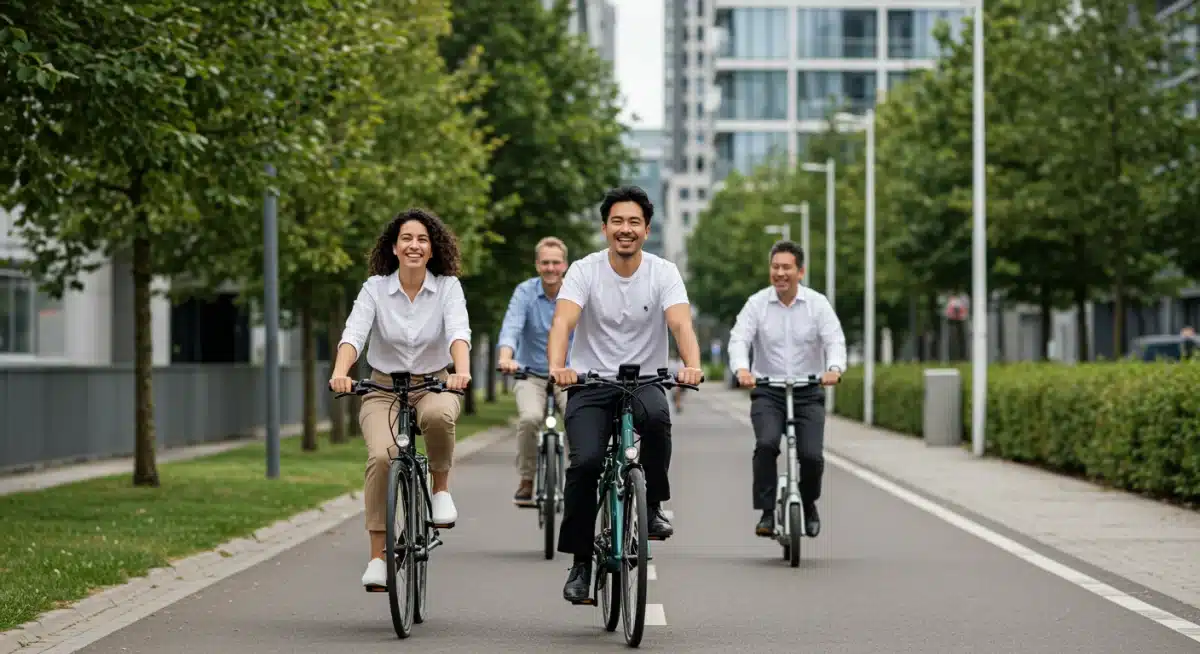
For shorter commutes or as a complement to public transport, e-bikes and e-scooters offer an excellent low-emission alternative. They provide the benefit of exercise with the assistance of an electric motor, making hills and longer distances more manageable. E-bikes are particularly effective in urban environments plagued by traffic congestion, allowing commuters to navigate through busy streets efficiently. The cost of e-bikes has decreased substantially, and their battery life and motor power have improved, solidifying their position as a key sustainable commute solution. Many cities are also expanding dedicated bike lanes and safe storage options, encouraging their use.
Active Commuting: Walking and Cycling
Perhaps the simplest and most cost-effective sustainable commute solutions are walking and cycling. These modes of transport produce zero emissions at the point of use and offer significant health benefits. For commutes under 5 miles, walking or cycling can often be as fast, if not faster, than driving, especially in congested urban areas. The physical activity contributes to better cardiovascular health, reduced stress, and increased energy levels, making these options a win-win for both personal well-being and environmental health.
Making Walking and Cycling Feasible
To encourage more active commuting, several factors need to be considered:
- Infrastructure: Cities need to invest in safe, well-maintained sidewalks and dedicated bike lanes. The presence of such infrastructure significantly increases the likelihood of people choosing active transport.
- End-of-Trip Facilities: Access to showers, changing rooms, and secure bike storage at workplaces can make a huge difference. Employers who provide these facilities often see a higher uptake of active commuting among their staff.
- Safety and Awareness: Campaigns promoting cyclist and pedestrian safety, along with driver awareness, are crucial for creating a comfortable environment for active commuters.
- Weather Preparedness: Investing in appropriate gear for different weather conditions can extend the feasibility of walking and cycling throughout the year.
By integrating active commuting into your routine, even for a few days a week, you contribute to a substantial reduction in your carbon footprint while enjoying the myriad health benefits. This approach is a cornerstone of effective sustainable commute solutions.
Car-Sharing and Ride-Sharing Programs
For those who still need a car for part of their commute or for specific tasks, car-sharing and ride-sharing programs offer a more sustainable alternative to individual car ownership. These models optimize vehicle utilization, reducing the total number of cars on the road and, consequently, overall emissions and traffic congestion.
Car-Sharing Services
Car-sharing services allow individuals to access a vehicle on an as-needed basis, paying for usage by the hour or day. This model is particularly beneficial for people who don’t need a car every day but occasionally require one for errands, appointments, or longer trips. By using a shared vehicle, you contribute to a more efficient use of resources and reduce the demand for parking spaces. Many car-sharing fleets are also incorporating electric or hybrid vehicles, further enhancing their environmental benefits as sustainable commute solutions.
Ride-Sharing and Carpooling
Carpooling, whether organized informally with colleagues or friends, or through dedicated ride-sharing apps, significantly reduces the number of single-occupancy vehicles on the road. By sharing a ride, commuters split fuel costs, reduce traffic, and effectively cut their individual emissions by the number of passengers in the vehicle. By 2026, advanced algorithms and AI-powered platforms will make ride-sharing even more efficient, matching commuters with similar routes and schedules. Employers can also play a vital role by establishing carpooling programs and offering incentives to participants, making these very attractive sustainable commute solutions.
The Role of Telecommuting and Flexible Work Arrangements
Perhaps one of the most drastic yet effective sustainable commute solutions is to eliminate the commute altogether. Telecommuting, or working remotely, has gained immense traction, accelerated by global events, proving its viability for a wide range of professions. Flexible work arrangements, such as staggered hours or a compressed workweek, also contribute significantly to reducing commute emissions by shifting travel patterns away from peak times or reducing the number of commuting days.
Benefits of Remote Work
Beyond the obvious environmental benefits of zero commute emissions, remote work offers numerous advantages:
- Increased Productivity: Many studies suggest that remote workers can be more productive due to fewer distractions and a more comfortable work environment.
- Improved Work-Life Balance: Eliminating commute time frees up hours that can be dedicated to family, hobbies, or personal well-being.
- Cost Savings: Employees save money on fuel, vehicle maintenance, and public transport fares, while employers can reduce office space costs.
- Reduced Traffic Congestion: Fewer cars on the road mean less traffic for essential commuters and smoother public transport operations.
As we approach 2026, more companies are expected to adopt hybrid work models, combining remote work with occasional office visits. This approach offers a balanced solution, capitalizing on the benefits of both in-person collaboration and remote flexibility, making it a powerful component of overall sustainable commute solutions strategies.
Smart City Infrastructure and Urban Planning
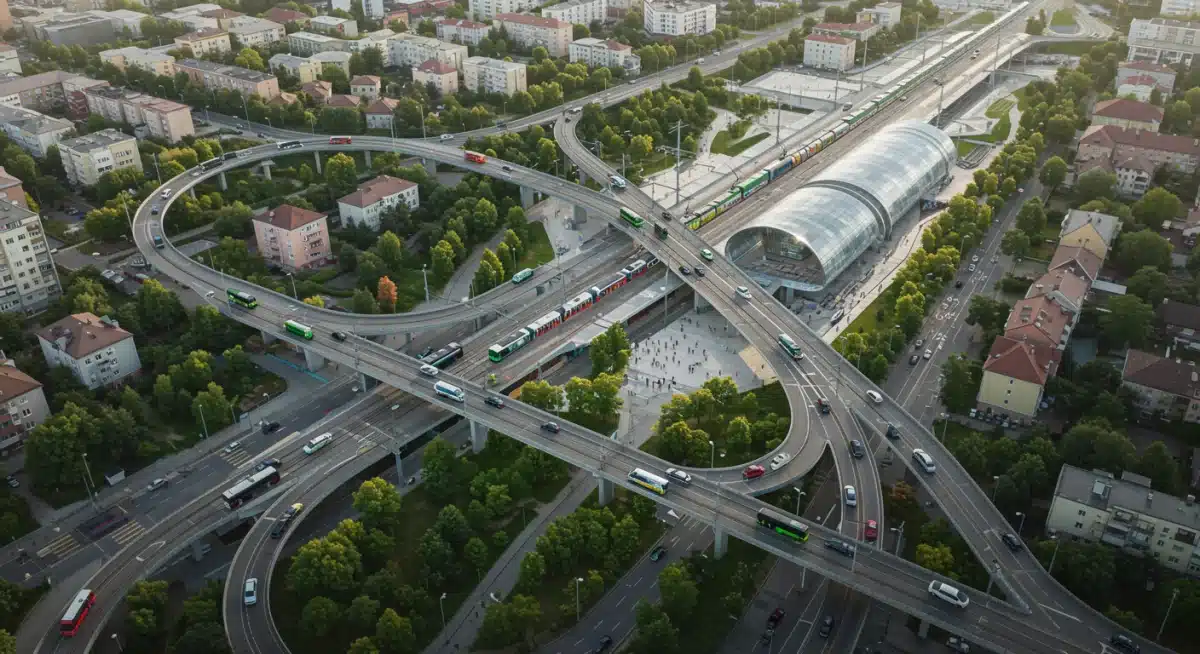
The effectiveness of individual sustainable commute solutions is greatly amplified by supportive urban planning and smart city infrastructure. Cities play a crucial role in creating environments that encourage and facilitate eco-friendly transportation choices. By 2026, many urban centers are expected to have implemented advanced smart city technologies and progressive urban planning principles to optimize commuting.
Transit-Oriented Development (TOD)
TOD is an urban planning strategy that concentrates residential, business, and leisure spaces around public transportation hubs. This design reduces the need for personal vehicles by making it easier for residents to access amenities and work via walking, cycling, or public transit. By minimizing travel distances and maximizing transit accessibility, TOD creates inherently more sustainable communities, directly supporting the adoption of sustainable commute solutions.
Intelligent Transportation Systems (ITS)
ITS encompasses a range of technologies designed to improve transportation efficiency and safety. This includes smart traffic lights that adapt to real-time traffic flow, digital signage providing live updates on public transport and parking availability, and integrated payment systems for various modes of transport. By optimizing traffic flow and providing real-time information, ITS can reduce congestion, lower idling emissions, and make public and active transport more appealing, thereby enhancing the overall efficacy of sustainable commute solutions.
Pedestrian and Cyclist-Friendly Zones
Creating car-free zones, expanding pedestrian walkways, and building protected bike lanes are fundamental to making cities more livable and encouraging active transportation. These initiatives not only reduce emissions but also improve air quality, foster community interaction, and enhance the overall urban experience. By prioritizing people over cars, cities can significantly shift commuting patterns towards more sustainable options.
Leveraging Technology for Smarter Commutes
Technology is a powerful enabler of sustainable commute solutions. From sophisticated apps to advanced vehicle diagnostics, digital tools are making eco-friendly travel more accessible, efficient, and convenient.
Commute Planning Apps
Modern apps integrate various transportation modes, offering personalized route suggestions that prioritize sustainability. They can combine walking, cycling, public transit, and even ride-sharing options, calculating not just travel time but also estimated carbon emissions and cost. These apps empower commuters to make informed choices that align with their environmental goals.
Electric Vehicle Charging Networks
The expansion and integration of EV charging networks are critical for widespread EV adoption. By 2026, charging infrastructure is expected to be more ubiquitous, faster, and seamlessly integrated with smart grid technologies. Apps that locate available charging stations, provide real-time status updates, and facilitate payment will remove range anxiety and make EV ownership more practical for commuters.
Gamification and Incentives
Some initiatives are leveraging gamification to encourage sustainable commuting. Apps and programs might reward users with points, discounts, or other incentives for choosing eco-friendly options like cycling, walking, or public transit. This approach can make the transition to sustainable commuting more engaging and motivate behavioral change, turning good habits into rewarding experiences.
Workplace Initiatives and Employer Support
Employers have a significant role to play in promoting sustainable commute solutions among their workforce. By implementing supportive policies and offering incentives, companies can foster a culture of eco-conscious commuting and contribute to broader community sustainability goals.
Commuter Benefit Programs
Many companies offer commuter benefits, such as pre-tax deductions for public transit passes, subsidies for bike purchases, or carpool matching services. These programs make sustainable options more financially attractive and remove barriers to adoption.
Flexible Work Policies
As discussed, embracing remote work, hybrid models, and flexible hours can drastically reduce the number of employees commuting daily, especially during peak times. This not only cuts emissions but also enhances employee satisfaction and productivity.
On-Site Amenities
Providing amenities like secure bike storage, showers, and locker rooms encourages active commuting. Some forward-thinking companies even offer on-site EV charging stations, making it easier for employees to transition to electric vehicles.
Awareness and Education
Employers can organize workshops, provide information, and run campaigns to educate employees about the benefits of sustainable commuting and the available options. Highlighting success stories and offering challenges can further motivate staff to make greener choices.
Setting Your 40% Reduction Goal: A Practical Roadmap for 2026
Achieving a 40% reduction in commute emissions by 2026 is an ambitious yet entirely attainable goal. It requires a combination of individual commitment, smart choices, and a supportive environment. Here’s a practical roadmap to help you get there:
- Assess Your Baseline: Start by accurately calculating your current commute’s carbon footprint using online tools. This gives you a clear target to work from.
- Prioritize Active Transport: For shorter distances, commit to walking or cycling at least a few days a week. Even a 2-mile walk or bike ride instead of driving can significantly reduce emissions over time.
- Maximize Public Transport: Identify public transport options for your regular commute. If a direct route isn’t available, explore combining it with walking, cycling, or ride-sharing. Aim to use it for at least 50% of your commute days.
- Explore EVs or E-Bikes: If you currently drive a gasoline car, research the feasibility of switching to an electric vehicle or an e-bike by 2026. Consider the total cost of ownership, including incentives and charging costs. This is a major step towards achieving substantial reductions.
- Utilize Car-Sharing/Carpooling: For days when personal vehicle use is unavoidable, join a car-sharing service or organize a carpool. Even sharing a ride once or twice a week makes a difference.
- Embrace Flexible Work: If possible, discuss remote work or flexible scheduling options with your employer. Even working from home one or two days a week can drastically cut your commute emissions.
- Track Your Progress: Regularly re-evaluate your carbon footprint. Many apps allow you to track your sustainable travel, providing motivation and showing the impact of your efforts.
- Advocate for Change: Encourage your workplace and local government to invest in and promote sustainable transportation infrastructure and policies. Your voice can contribute to larger systemic changes.
By consciously integrating these sustainable commute solutions into your daily life, you’re not just aiming for a number; you’re actively contributing to a cleaner, healthier, and more sustainable future. The collective impact of individuals making these choices can lead to profound environmental benefits. The journey to a 40% reduction is a collaborative effort, and every step, no matter how small, moves us closer to a greener 2026 and beyond.
Conclusion: A Greener Commute for a Brighter Future
The transition to sustainable commute solutions is not merely an environmental imperative but an opportunity to redefine our daily routines for the better. By 2026, the convergence of technological advancements, evolving urban planning, and a growing societal commitment to sustainability will provide an unparalleled landscape of options for reducing our commute emissions. From electric vehicles and expanded public transportation networks to the simplicity of active commuting and the efficiency of remote work, the tools are at our disposal.
Achieving a 40% reduction in your commute emissions by 2026 is an ambitious yet entirely achievable goal. It requires a thoughtful assessment of your current habits, a willingness to explore new alternatives, and a commitment to making conscious choices. Beyond the undeniable environmental benefits, embracing sustainable commuting can lead to significant personal advantages, including improved health, reduced stress, and substantial cost savings. As individuals and as a collective, our choices today will shape the transportation landscape of tomorrow. Let’s commit to making 2026 the year we drive meaningful change, one sustainable commute at a time, paving the way for a healthier planet and more vibrant communities.