Energy Storage Safety Standards 2026: A US Guide for Homeowners & Businesses
Anúncios
The landscape of energy is undergoing a transformative shift, with energy storage systems (ESS) emerging as a cornerstone of this evolution. As renewable energy sources like solar and wind become more prevalent, the ability to store excess energy and discharge it when needed is crucial for grid stability and energy independence. However, with this technological advancement comes the paramount importance of safety. For both homeowners and businesses in the United States, understanding and adhering to the evolving energy storage safety standards for 2026 is not merely a recommendation; it’s a critical necessity.
This comprehensive guide aims to demystify the complex world of energy storage safety, focusing on the anticipated standards and best practices for 2026. We will explore the regulatory framework, technological advancements, installation considerations, and the proactive steps that can be taken to ensure the safe and reliable operation of ESS. Whether you are considering installing a new system, upgrading an existing one, or simply seeking to stay informed, this article provides invaluable insights into safeguarding your investment and your environment.
The Evolving Landscape of Energy Storage Safety
The rapid adoption of energy storage technologies, particularly lithium-ion batteries, has brought to light new safety challenges. While these systems offer unparalleled efficiency and energy density, their inherent chemical properties necessitate stringent safety protocols to prevent potential hazards such as thermal runaway, fire, and electrical shock. Recognizing these risks, regulatory bodies and industry stakeholders have been diligently working to establish and refine energy storage safety standards.
The year 2026 is expected to see further maturation and potentially more rigorous enforcement of these standards. This is a direct response to the increasing deployment of ESS in diverse environments, from residential garages to large-scale utility installations. The goal is to create a harmonized and robust framework that ensures the safety of personnel, property, and the environment, while fostering continued innovation in the energy storage sector.
Key Regulatory Bodies and Their Influence
Several key organizations play pivotal roles in shaping energy storage safety standards in the US. Understanding their contributions is essential for navigating the regulatory landscape:
- National Fire Protection Association (NFPA): The NFPA is a global self-funded nonprofit organization, established in 1896, devoted to eliminating death, injury, property, and economic loss due to fire, electrical, and related hazards. NFPA codes and standards, such as NFPA 855: Standard for the Installation of Stationary Energy Storage Systems, are widely adopted and serve as the backbone for ESS safety. NFPA 855, in particular, addresses everything from system location and separation distances to fire suppression and ventilation requirements. Updates to NFPA 855 are continuous, and the 2026 iteration is expected to incorporate lessons learned from recent incidents and advancements in technology.
- Underwriters Laboratories (UL): UL is a global safety science company that provides testing, inspection, certification, auditing, and validation services. UL standards for batteries and ESS are crucial for product safety. UL 9540: Standard for Energy Storage Systems and Equipment, and UL 9540A: Test Method for Evaluating Thermal Runaway Fire Propagation in Battery Energy Storage Systems, are particularly relevant. These standards ensure that ESS components and entire systems are designed and manufactured to minimize risks. By 2026, compliance with the latest versions of UL 9540 and UL 9540A will be non-negotiable for most installations.
- International Code Council (ICC): The ICC develops model codes and standards used in the design, build, and compliance process to construct safe, sustainable, affordable, and resilient structures. Building codes, such as the International Residential Code (IRC) and International Building Code (IBC), often reference NFPA and UL standards for ESS installations. Local jurisdictions adopt and enforce these codes, sometimes with amendments.
- Occupational Safety and Health Administration (OSHA): OSHA ensures safe and healthful working conditions for workers by setting and enforcing standards and by providing training, outreach, education, and assistance. While not directly involved in ESS product standards, OSHA’s regulations cover worker safety during the installation, maintenance, and decommissioning of energy storage systems, especially in commercial and industrial settings.
Anticipated Energy Storage Safety Standards for 2026
While specific amendments are always subject to ongoing review and public comment, several trends and areas of focus are likely to shape the energy storage safety standards for 2026. These include:
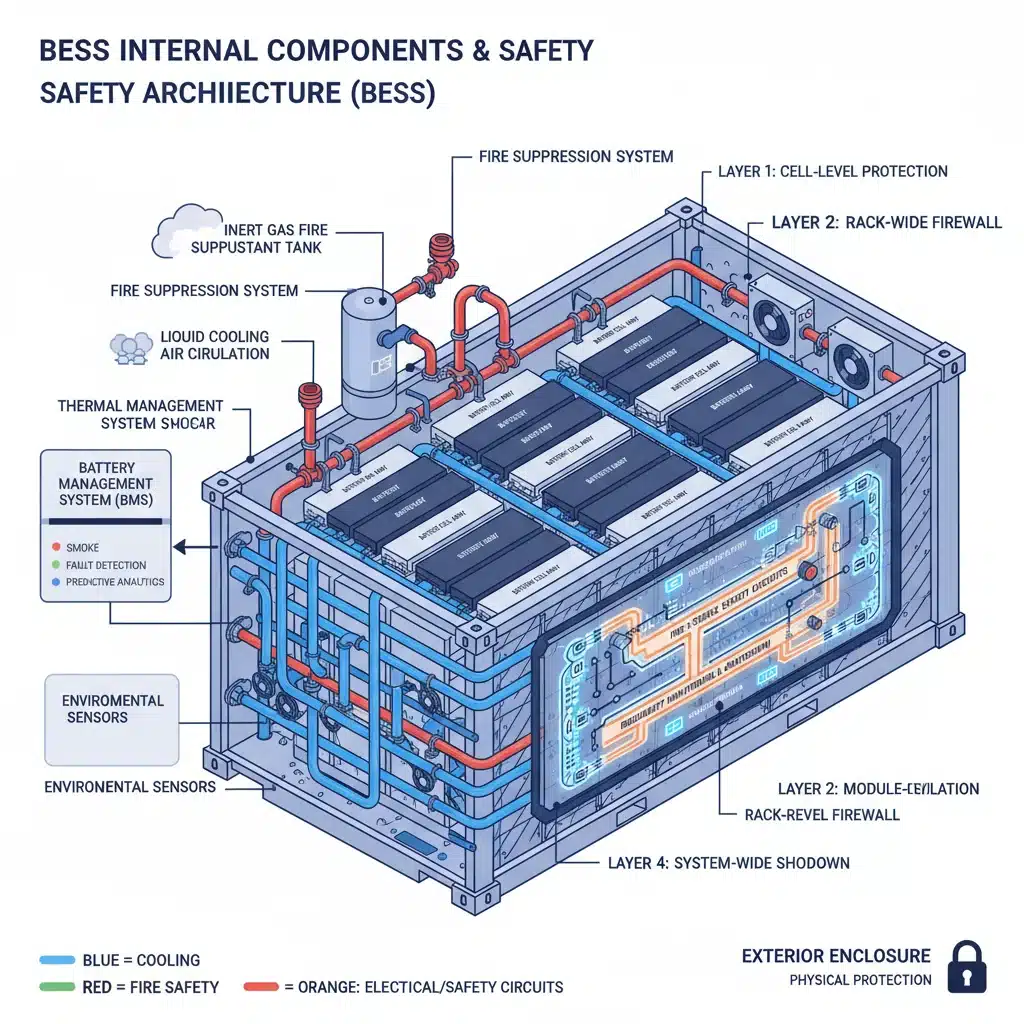
- Enhanced Fire Suppression and Containment: Expect more stringent requirements for fire detection, suppression, and containment systems. This may involve advanced sprinkler systems, inert gas suppression, and robust fire-rated enclosures, particularly for larger installations or those in close proximity to occupied spaces. The focus will be on preventing thermal runaway propagation and minimizing the spread of fire.
- Improved Thermal Management: Effective thermal management is crucial for battery longevity and safety. Standards will likely emphasize sophisticated cooling and heating systems to maintain optimal operating temperatures, reducing the risk of overheating and thermal runaway.
- Advanced Battery Management Systems (BMS): BMS are the brains of battery systems, monitoring voltage, current, temperature, and state of charge. 2026 standards will likely demand more intelligent and robust BMS with enhanced fault detection, diagnostic capabilities, and predictive analytics to identify potential issues before they escalate.
- Increased Separation Distances and Ventilation: The physical separation between ESS units and other structures, as well as adequate ventilation, are critical for safety. We may see updated guidelines for minimum clearance distances and airflow requirements, especially for indoor installations or those in densely populated areas.
- Cybersecurity for Smart ESS: As ESS become more integrated with smart grids and home automation systems, cybersecurity will become an increasingly important aspect of safety. Protecting these systems from unauthorized access or malicious attacks is crucial to prevent operational failures or dangerous manipulations.
- Recycling and End-of-Life Management: While not directly a safety standard during operation, safe and environmentally responsible recycling and disposal of ESS components, particularly batteries, will gain more attention. Standards may emerge to address the safe handling and processing of spent batteries to prevent environmental contamination and resource waste.
Implications for US Homeowners
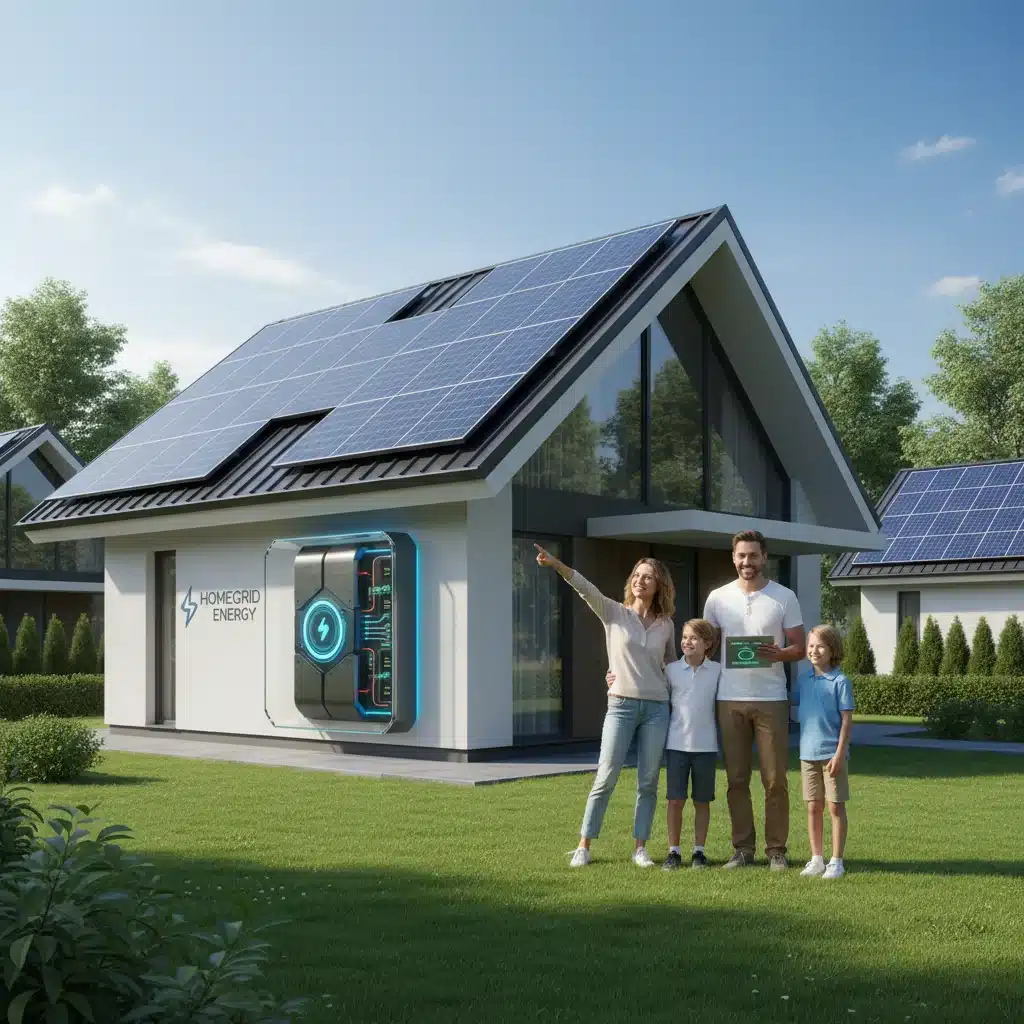
For homeowners, the evolving energy storage safety standards mean a greater emphasis on professional installation, certified equipment, and ongoing maintenance. Here’s what you need to know:
- Professional Installation is Paramount: DIY installations, while tempting for cost savings, are strongly discouraged. Certified electricians and ESS installers are trained to understand and implement the latest safety codes. Improper wiring, ventilation, or system sizing can lead to serious hazards.
- UL-Certified Products: Always insist on UL-certified ESS components and systems. This certification provides assurance that the products have undergone rigorous testing for safety and performance.
- Permitting and Inspections: Local building departments will require permits for ESS installations. These permits ensure that the installation complies with local and national codes. Expect thorough inspections to verify adherence to safety standards.
- Location Matters: The placement of your ESS is critical. Garages, basements, and utility rooms are common locations, but specific requirements regarding ventilation, fire separation, and proximity to ignition sources must be met. Outdoor installations also have specific requirements related to weather protection and accessibility.
- Understanding Your System: While professional installation is key, homeowners should also have a basic understanding of their ESS, including emergency shutdown procedures and maintenance schedules.
- Insurance Considerations: Inform your homeowner’s insurance provider about your ESS installation. They may have specific requirements or offer discounts for certified and safely installed systems.
Implications for US Businesses
Commercial and industrial energy storage systems are typically larger, more complex, and present different safety considerations. Businesses must be even more diligent in adhering to energy storage safety standards for 2026:
- Compliance with NFPA 855 and Local Amendments: Businesses must ensure their ESS installations strictly comply with NFPA 855 and any local fire codes or amendments. This often involves detailed engineering plans and consultations with fire marshals.
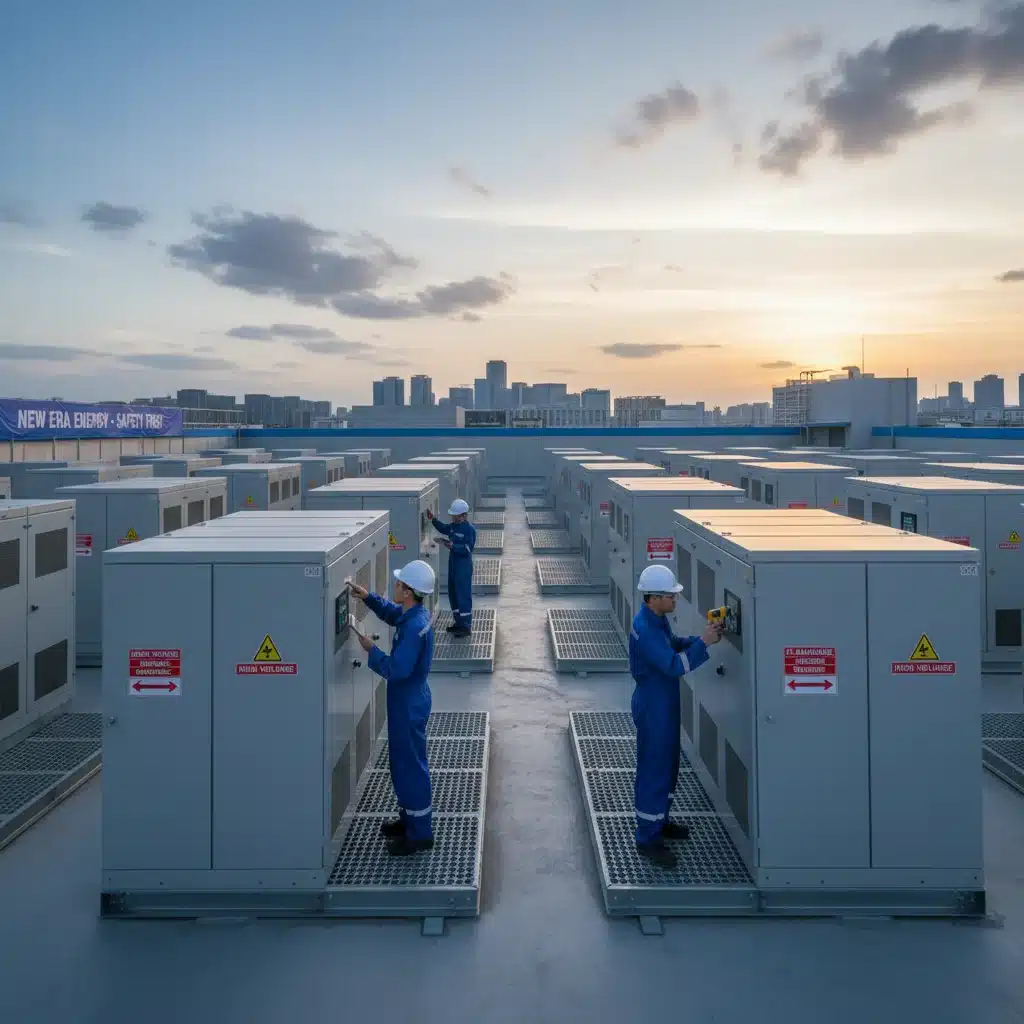
- Risk Assessments and Emergency Planning: Comprehensive risk assessments are essential to identify potential hazards and develop robust emergency response plans. This includes training personnel on emergency procedures, fire suppression systems, and evacuation protocols.
- Regular Maintenance and Monitoring: Commercial ESS require regular professional maintenance and continuous monitoring to ensure optimal performance and early detection of potential issues. Predictive maintenance strategies, leveraging data from the BMS, will become increasingly important.
- Personnel Training: All personnel involved in the operation, maintenance, or emergency response related to the ESS must receive adequate training on safety protocols and procedures.
- Site-Specific Considerations: The specific application and location of the ESS (e.g., data centers, manufacturing facilities, retail stores) will dictate additional safety measures. For instance, systems in critical infrastructure may require enhanced redundancy and protection.
- Cybersecurity Integration: For businesses, cybersecurity is not just about data protection but also operational safety. Protecting ESS from cyber threats that could lead to system malfunctions or safety incidents is paramount.
- Insurance and Liability: Businesses should work closely with their insurance providers to ensure adequate coverage for ESS. Understanding liability in case of an incident is crucial.
Technological Advancements Driving Safety Improvements
Beyond regulatory frameworks, technological innovation is a significant driver of improved energy storage safety. Here are some key areas:
- Solid-State Batteries: While still largely in development for widespread commercial use, solid-state batteries hold immense promise for enhanced safety due to their non-flammable solid electrolytes, which eliminate the risk of liquid electrolyte leakage and thermal runaway.
- Advanced Cell Chemistries: Research into new battery chemistries, such as lithium iron phosphate (LFP), which are inherently more stable and less prone to thermal runaway compared to other lithium-ion variants, is leading to safer products.
- AI and Machine Learning for Predictive Maintenance: AI and machine learning algorithms can analyze vast amounts of operational data from ESS to predict potential failures before they occur, allowing for proactive maintenance and preventing safety incidents.
- Modular and Distributed Architectures: Designing ESS in modular, smaller units can help contain potential incidents, preventing them from propagating across the entire system. Distributed architectures can also reduce the overall risk profile.
- Enhanced Monitoring and Diagnostics: Next-generation monitoring systems offer real-time, granular data on battery health, temperature, and performance, enabling operators to quickly identify and address anomalies.
- Smart Fire Suppression Systems: Integration of smart sensors and automated fire suppression systems that can precisely target and extinguish fires in specific battery modules can significantly improve response times and effectiveness.
Challenges and Future Outlook
Despite the advancements, challenges remain in ensuring universal energy storage safety. These include:
- Cost of Compliance: Implementing advanced safety features and adhering to stringent standards can increase the upfront cost of ESS, potentially slowing adoption in some sectors.
- Supply Chain Transparency: Ensuring that all components in the supply chain meet quality and safety standards can be complex, especially with global sourcing.
- Public Perception and Education: Overcoming public concerns about battery safety through transparent communication and education is crucial for widespread acceptance.
- Rapid Technological Change: The pace of innovation in energy storage can make it challenging for standards to keep up, requiring continuous review and adaptation.
- Workforce Development: A skilled workforce capable of safely installing, maintaining, and inspecting complex ESS is essential. Training programs need to keep pace with technological advancements and evolving safety standards.
- Standardization Across Jurisdictions: While national codes exist, local jurisdictions often have their own interpretations and amendments, which can create inconsistencies and complexity for installers and businesses operating across different regions. Efforts towards greater harmonization will be ongoing.
- Data Sharing and Incident Reporting: A more robust system for sharing data on ESS incidents, including near-misses, can provide valuable insights for improving standards and preventing future occurrences. This requires a collaborative effort from manufacturers, installers, and regulatory bodies.
Looking towards 2026 and beyond, the trend is clear: energy storage safety will continue to be a top priority. As more ESS are deployed, the emphasis will be on creating systems that are not only efficient and reliable but also intrinsically safe. This will involve a collaborative effort between researchers developing new chemistries, manufacturers designing safer products, installers implementing best practices, and regulators establishing comprehensive and enforceable standards. The future of energy storage is bright, and with a strong foundation of safety, it can truly power a sustainable and resilient future.
Best Practices for Ensuring Energy Storage Safety in 2026
To summarize and provide actionable advice, here are some best practices for homeowners and businesses to ensure compliance and maximize safety with their energy storage systems:
For Homeowners:
- Choose Certified Professionals: Always hire licensed and certified electricians or ESS installers who are familiar with the latest codes and standards.
- Select UL-Listed Equipment: Insist on battery systems and components that have been tested and certified by UL or other recognized testing laboratories.
- Obtain Necessary Permits: Ensure all required permits are secured from your local building department before installation.
- Understand Installation Requirements: Familiarize yourself with the specific requirements for ESS placement, ventilation, and fire safety in your area.
- Maintain Clear Access: Ensure that your ESS is easily accessible for maintenance and emergency services, with no obstructions.
- Regular Inspections and Maintenance: Schedule periodic inspections and maintenance by qualified technicians as recommended by the manufacturer.
- Know Emergency Procedures: Understand how to safely shut down your system in an emergency and where your emergency contacts are.
- Educate Family Members: Ensure all household members are aware of the ESS and basic safety precautions.
For Businesses:
- Conduct Thorough Site Assessments: Engage experts to perform detailed site-specific risk assessments before design and installation.
- Design for Compliance: Ensure your ESS design fully complies with NFPA 855, local fire codes, and all relevant building codes.
- Invest in Advanced Safety Features: Prioritize systems with robust thermal management, advanced BMS, and integrated fire suppression.
- Develop Comprehensive Emergency Plans: Create and regularly update detailed emergency response plans, including fire department coordination.
- Implement Robust Training Programs: Provide ongoing safety training for all personnel involved with the ESS, from operators to maintenance staff.
- Establish a Maintenance Schedule: Follow a strict preventative maintenance schedule and utilize remote monitoring for early issue detection.
- Address Cybersecurity Risks: Implement strong cybersecurity measures to protect ESS controls and data from unauthorized access.
- Engage with Local Authorities: Maintain open communication with local fire marshals and building officials throughout the project lifecycle.
- Consider Insurance Implications: Work with your insurance provider to ensure adequate coverage and understand liability.
Conclusion
The journey towards a sustainable energy future is intrinsically linked with the safe deployment of energy storage systems. As we approach 2026, the emphasis on robust energy storage safety standards will only grow stronger. For homeowners, this means peace of mind knowing their systems are secure and reliable. For businesses, it translates into operational continuity, reduced risks, and compliance with evolving regulations. By staying informed, choosing certified products and professionals, and adhering to best practices, the US can continue to lead the way in integrating energy storage into its energy infrastructure safely and effectively. The commitment to safety is not just a regulatory burden; it is an investment in the resilience, reliability, and sustainability of our energy future.