U.S. Energy Storage Market 2026: 15% Growth and Grid Impact
Anúncios
U.S. Energy Storage Market in 2026: A Deep Dive into the 15% Projected Growth and its Grid Impact
The energy landscape in the United States is undergoing a profound transformation, driven by a confluence of technological innovation, environmental imperatives, and economic considerations. At the heart of this revolution lies the U.S. energy storage market, which is poised for an extraordinary surge. Industry projections indicate a robust 15% growth by 2026, a figure that not only underscores the sector’s vitality but also signals a pivotal shift in how the nation generates, distributes, and consumes power. This anticipated expansion is not merely a statistical benchmark; it represents a fundamental re-architecture of the electric grid, promising enhanced reliability, greater sustainability, and unprecedented flexibility. Understanding the intricacies of this growth, its underlying drivers, and its far-reaching implications for the national grid is crucial for anyone invested in the future of energy.
For decades, the traditional power grid operated on a centralized, one-way model, relying heavily on fossil fuel-based generation plants that could be ramped up or down to meet fluctuating demand. However, the advent of intermittent renewable energy sources like solar and wind power has exposed the limitations of this model. The inherent variability of these sources necessitates sophisticated solutions to ensure grid stability and continuous power supply. This is precisely where U.S. energy storage systems emerge as indispensable tools. By capturing excess energy during periods of high generation and releasing it when demand peaks or renewable output is low, these systems act as crucial buffers, balancing the grid and enabling a higher penetration of clean energy.
The 15% projected growth in the U.S. energy storage market by 2026 is a testament to the increasing recognition of these benefits. This article will delve into the multifaceted aspects of this growth, exploring the technological advancements propelling it forward, the policy frameworks supporting its deployment, and the economic incentives making it an attractive investment. We will also examine the transformative impact of this expansion on grid resilience, the integration of renewables, and the broader implications for energy independence and security. From utility-scale battery farms to residential storage solutions, the spectrum of energy storage technologies is broad and rapidly evolving, each playing a vital role in shaping the energy future of the United States. Prepare to explore how this burgeoning market is setting the stage for a more resilient, sustainable, and intelligent energy infrastructure.
The Driving Forces Behind the 15% Growth in U.S. Energy Storage
Several powerful forces are converging to propel the U.S. energy storage market towards its projected 15% growth by 2026. These drivers are interconnected, creating a synergistic effect that accelerates adoption and innovation across the sector. Understanding these catalysts is key to appreciating the momentum building within the energy storage industry.
Technological Advancements and Cost Reductions
Perhaps the most significant driver is the continuous advancement in energy storage technologies, particularly lithium-ion batteries. Over the past decade, the cost of lithium-ion batteries has plummeted dramatically, making them increasingly competitive for grid-scale applications. This cost reduction is a result of economies of scale in manufacturing, improved material science, and enhanced production efficiencies. Beyond lithium-ion, research and development continue to yield promising alternatives, including flow batteries, solid-state batteries, and even mechanical storage solutions like pumped-hydro and compressed air. These innovations are not only reducing costs but also improving energy density, cycle life, safety, and operational efficiency, making energy storage solutions more viable for a wider range of applications. The ability of these technologies to store and release energy with greater efficiency and at lower costs is fundamentally changing the economics of grid management and renewable energy integration.
Growing Penetration of Renewable Energy Sources
The aggressive deployment of solar and wind power across the U.S. is another primary catalyst. States and utilities are setting ambitious renewable portfolio standards and decarbonization goals, leading to a significant increase in intermittent generation. As the share of renewables on the grid grows, so does the need for flexible resources that can mitigate their variability. U.S. energy storage systems provide this essential flexibility, ensuring that electricity supply matches demand, even when the sun isn’t shining or the wind isn’t blowing. They enable renewables to provide firm, dispatchable power, thereby increasing their value and reliability. Without robust energy storage, the grid’s capacity to absorb higher percentages of renewable energy would be severely limited, hindering national decarbonization efforts.
Policy Support and Regulatory Frameworks
Supportive government policies and evolving regulatory frameworks are playing a crucial role in fostering the growth of the U.S. energy storage market. Federal incentives, such as the Investment Tax Credit (ITC) for standalone energy storage, have significantly improved the financial viability of projects. At the state level, various mandates, targets, and incentive programs are encouraging deployment. For instance, California has been a leader in setting ambitious energy storage targets, which has spurred significant investment. Furthermore, regulatory bodies like the Federal Energy Regulatory Commission (FERC) have issued orders (e.g., FERC Order 841) aimed at removing barriers to energy storage participation in wholesale markets, allowing these resources to compete on a level playing field with traditional generators. These policies create a stable and predictable environment for investors and developers, accelerating the pace of deployment.
Enhanced Grid Reliability and Resilience
The increasing frequency and intensity of extreme weather events, coupled with an aging grid infrastructure, have underscored the urgent need for enhanced grid reliability and resilience. Energy storage systems offer a powerful solution by providing backup power during outages, deferring costly transmission and distribution upgrades, and improving overall grid stability. They can respond almost instantaneously to grid disturbances, preventing blackouts and minimizing their duration. For critical loads, behind-the-meter storage solutions offer an added layer of protection. The imperative to build a more robust and resilient grid in the face of climate change and growing energy demands is a significant driver for the adoption of U.S. energy storage solutions.
Pek Demand Management and Ancillary Services
Energy storage systems excel at providing a range of grid services that improve efficiency and reduce costs. They can be charged during off-peak hours when electricity prices are low and discharged during peak demand periods, thereby reducing reliance on expensive peaker plants and lowering overall system costs. Furthermore, energy storage can provide crucial ancillary services such as frequency regulation, voltage support, and black start capabilities, which are essential for maintaining grid stability and power quality. As these services become increasingly valued in wholesale markets, the economic case for deploying energy storage strengthens considerably. This ability to provide multiple value streams makes energy storage an attractive asset for utilities, independent power producers, and commercial & industrial customers alike.
Impact on the U.S. Grid: A Transformative Shift
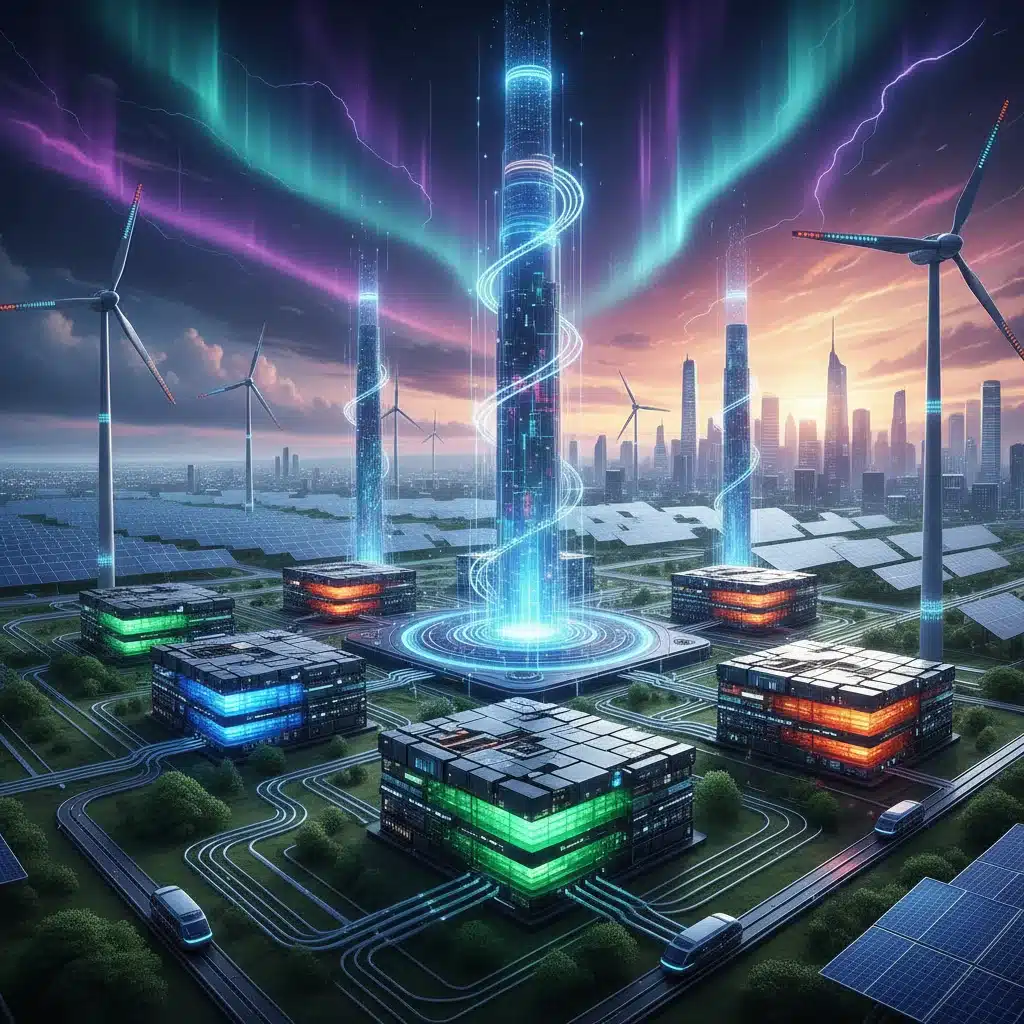
The projected 15% growth in the U.S. energy storage market by 2026 is set to have a profound and transformative impact on the nation’s electric grid. This isn’t just about adding capacity; it’s about fundamentally altering the operational dynamics, reliability, and sustainability of the entire energy infrastructure. The consequences will be felt across every segment of the power sector, from generation to consumption.
Enhanced Grid Stability and Reliability
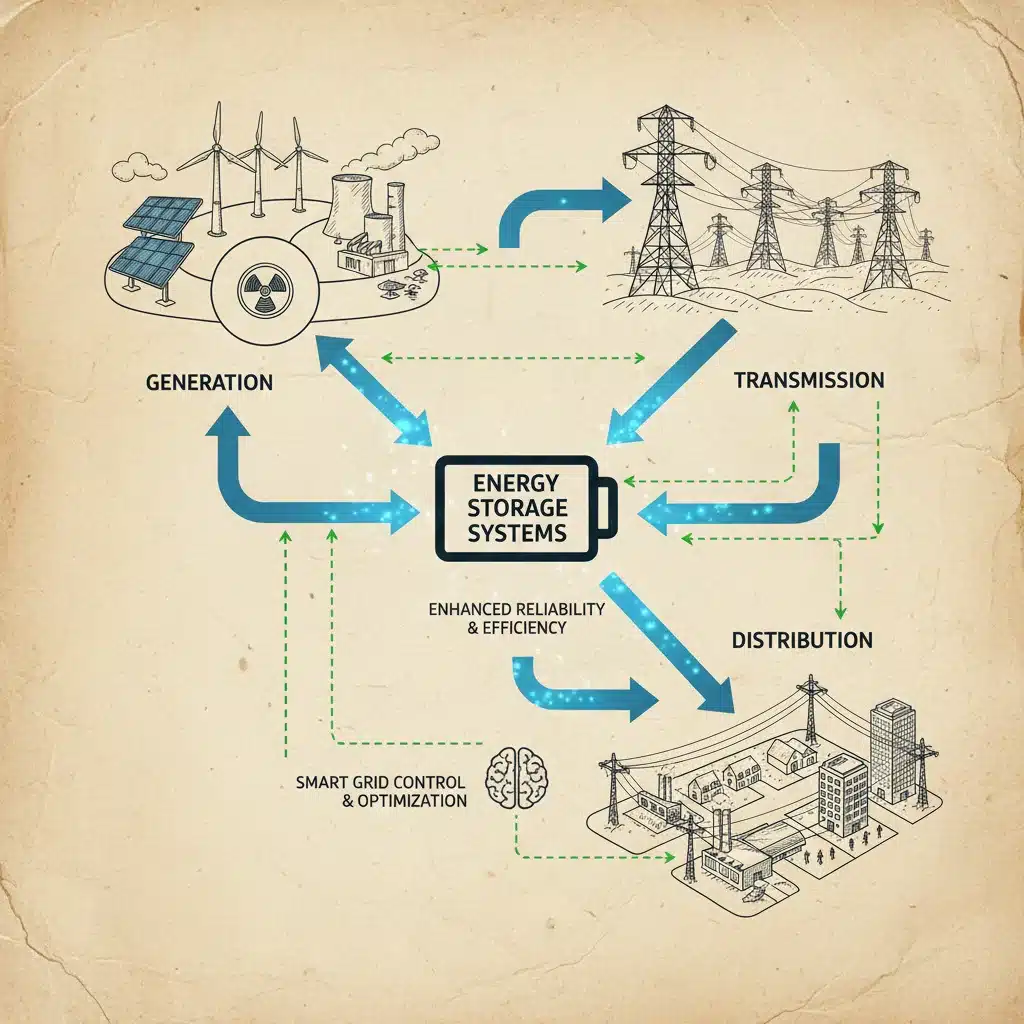
One of the most immediate and significant impacts of increased U.S. energy storage deployment is the dramatic improvement in grid stability and reliability. Traditional grids struggle with instantaneous supply-demand imbalances, which can lead to voltage fluctuations, frequency deviations, and ultimately, outages. Energy storage systems, particularly batteries, can respond to these imbalances in milliseconds, injecting or absorbing power to maintain grid equilibrium. This rapid response capability is critical for integrating large amounts of intermittent renewables without compromising grid stability. Moreover, storage can provide ‘firming’ services for renewable generation, ensuring a consistent power output even when weather conditions fluctuate. This enhanced stability translates into fewer disruptions, higher power quality, and a more dependable electricity supply for consumers and businesses alike.
Seamless Integration of Renewable Energy
The expansion of U.S. energy storage is indispensable for achieving ambitious renewable energy targets. Solar and wind power, while clean, are inherently variable. Energy storage acts as the critical bridge, decoupling renewable generation from instantaneous demand. During periods of high solar irradiation or strong winds, excess electricity can be stored and then dispatched when renewable output is low or demand is high. This ‘time-shifting’ capability maximizes the utilization of renewable assets, reduces curtailment (wasted renewable energy), and allows for a much higher penetration of clean energy into the grid without requiring expensive and polluting fossil fuel peaker plants for backup. Essentially, energy storage transforms intermittent renewables into dispatchable resources, accelerating the transition to a carbon-free power sector.
Modernization of Transmission and Distribution Infrastructure
Energy storage offers a cost-effective alternative to traditional infrastructure upgrades for transmission and distribution (T&D) networks. By strategically deploying storage systems at congested points on the grid, utilities can defer or even avoid the need for expensive new power lines or substations. This concept, known as ‘non-wires alternatives’ (NWAs), leverages storage to manage peak loads and alleviate bottlenecks, optimizing the use of existing infrastructure. For example, a battery system placed at the end of a long distribution feeder can support voltage and reduce line losses, improving service quality for remote customers. This approach not only saves money but also reduces the environmental impact associated with new construction, contributing to a more efficient and resilient T&D system across the U.S. energy storage landscape.
Empowering Grid Edge and Distributed Energy Resources (DERs)
The growth of energy storage is intrinsically linked to the rise of distributed energy resources (DERs), including rooftop solar, electric vehicles (EVs), and smart home devices. Behind-the-meter storage allows homeowners and businesses to maximize self-consumption of their solar generation, reduce their electricity bills by shifting load away from peak demand periods, and provide backup power during outages. When aggregated, these distributed storage systems can form ‘virtual power plants’ (VPPs) that provide valuable services to the grid, such as demand response and capacity. This decentralization of power generation and storage empowers consumers, fosters local energy independence, and creates a more robust, two-way grid where energy can flow efficiently in multiple directions. The U.S. energy storage market is a key enabler of this grid edge transformation.
Economic Benefits and Market Transformation
Beyond technical improvements, the expansion of U.S. energy storage brings substantial economic benefits. It creates new jobs in manufacturing, installation, and maintenance. It drives down wholesale electricity prices by reducing the need for expensive peak generation. It also creates new revenue streams for asset owners through participation in wholesale energy and ancillary services markets. Furthermore, by increasing the flexibility of the grid, energy storage can facilitate more efficient market operations, leading to lower costs for consumers. The market for energy storage is also fostering innovation, attracting significant investment, and creating new business models that are reshaping the utility landscape and promoting a more competitive energy sector.
Key Technologies and Innovations Powering U.S. Energy Storage
The diverse and rapidly evolving technological landscape is a cornerstone of the U.S. energy storage market’s projected growth. While lithium-ion batteries currently dominate, ongoing research and development are bringing a host of innovative solutions to the forefront, each with unique characteristics suited for different applications and durations of storage.
Lithium-Ion Batteries: The Dominant Player
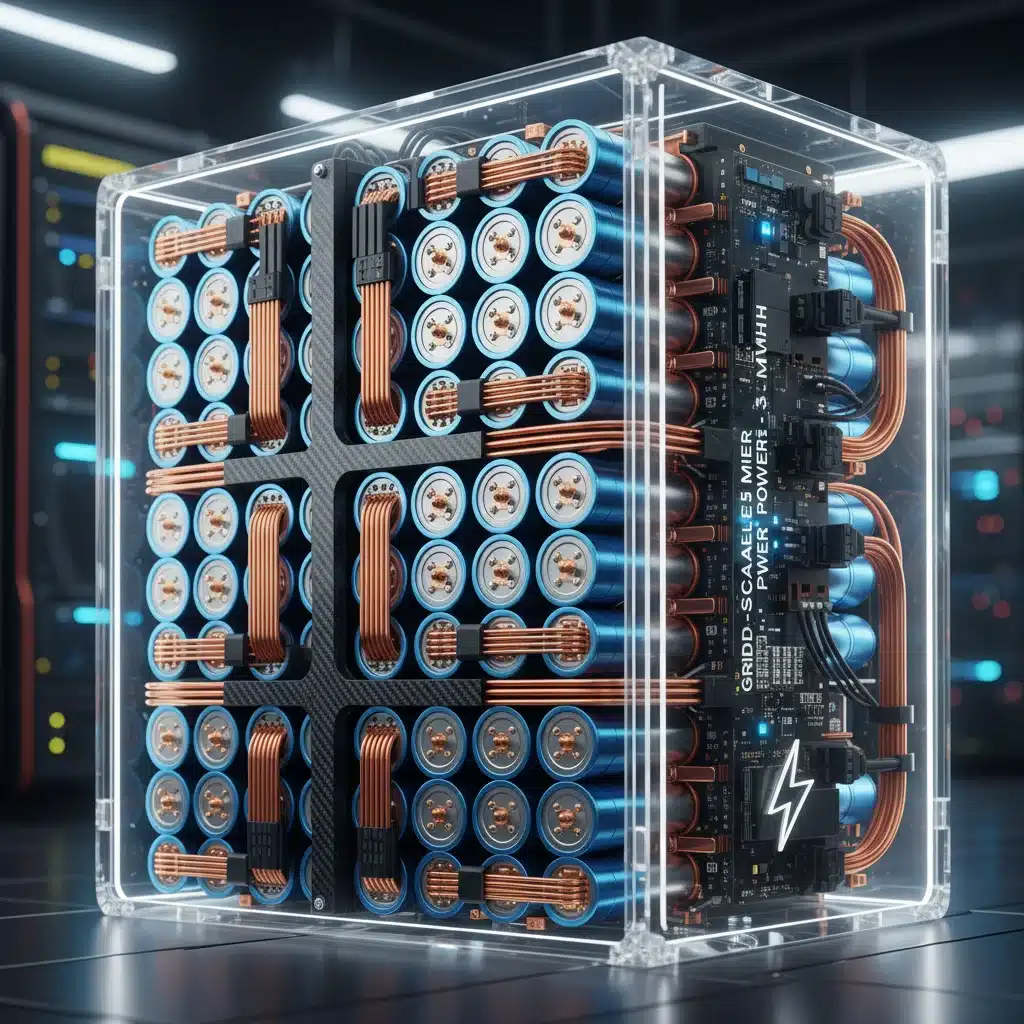
Lithium-ion batteries remain the workhorse of the modern energy storage industry, especially for grid-scale and commercial applications requiring short to medium-duration storage (typically 2-8 hours). Their high energy density, efficiency, and decreasing costs have made them the go-to choice. Continuous improvements in battery chemistry (e.g., NMC, LFP), cell design, and thermal management systems are further enhancing their performance, safety, and longevity. Manufacturers are also focusing on sustainable sourcing of materials and recycling programs to address environmental concerns associated with lithium-ion production. The sheer scale of manufacturing and continued investment in R&D ensures that lithium-ion will maintain its prominent position in the U.S. energy storage market for the foreseeable future.
Beyond Lithium-Ion: Emerging Battery Technologies
While lithium-ion holds sway, significant investment is flowing into alternative battery chemistries, particularly for long-duration applications (8+ hours), which are critical for achieving deep decarbonization. These include:
- Flow Batteries: These batteries store energy in external tanks of liquid electrolyte, allowing for independent scaling of power and energy capacity. They offer excellent cycle life and safety, with chemistries like vanadium redox and zinc-bromine showing promise. They are particularly well-suited for long-duration, large-scale storage projects.
- Solid-State Batteries: Replacing the liquid electrolyte with a solid one, these batteries promise higher energy density, improved safety (reduced fire risk), and faster charging times. While still largely in the R&D phase for grid applications, their potential is immense.
- Sodium-Ion Batteries: Utilizing abundant and inexpensive sodium, these batteries offer a lower-cost alternative to lithium-ion, particularly for applications where energy density is less critical. They are gaining traction for stationary storage.
- Zinc-Air Batteries: These batteries use zinc and oxygen from the air to generate electricity, offering high energy density and low material costs. They are being explored for long-duration storage.
The diversification of battery technologies ensures that the U.S. energy storage market will have a robust portfolio of solutions to meet varied grid needs.
Mechanical and Thermal Storage Solutions
Beyond electrochemical batteries, mechanical and thermal storage technologies continue to play a vital role, especially for very large scale and long-duration applications:
- Pumped-Hydro Storage (PHS): The most mature and widely deployed form of grid-scale energy storage, PHS uses excess electricity to pump water uphill to a reservoir, releasing it through turbines to generate power when needed. While requiring specific geographical features, new closed-loop and underground PHS projects are being explored.
- Compressed Air Energy Storage (CAES): CAES systems store compressed air in underground caverns or tanks. When power is needed, the air is released, heated, and expanded through a turbine to generate electricity. Advanced adiabatic CAES systems aim to store the heat of compression for improved efficiency.
- Thermal Energy Storage (TES): TES systems store energy as heat or cold, often using molten salts, phase-change materials, or ice. They are particularly effective for industrial processes, district heating/cooling, and integration with concentrated solar power (CSP) plants.
These established and emerging technologies contribute to a comprehensive U.S. energy storage strategy, addressing different scales, durations, and economic profiles.
Software and Control Systems: The Brains of Storage
Hardware is only half the equation; sophisticated software and advanced control systems are crucial for optimizing the performance and value of energy storage assets. Energy Management Systems (EMS) and Battery Management Systems (BMS) are becoming increasingly intelligent, utilizing AI and machine learning to forecast demand, optimize charging/discharging cycles, participate in multiple market services simultaneously, and ensure the longevity and safety of the storage units. These intelligent control systems enable energy storage to provide multiple value streams, from frequency regulation to peak shaving, maximizing their economic return and their contribution to grid stability. This software layer is a critical enabler for the efficient and widespread deployment of U.S. energy storage.
Challenges and Opportunities in the Expanding U.S. Energy Storage Market
While the outlook for the U.S. energy storage market is overwhelmingly positive with its projected 15% growth by 2026, the path forward is not without its hurdles. Addressing these challenges effectively will be crucial for realizing the full potential of energy storage, while simultaneously seizing the abundant opportunities it presents.
Overcoming Challenges
- Supply Chain Vulnerabilities: The reliance on critical minerals like lithium, cobalt, and nickel, often sourced from geopolitically sensitive regions, poses supply chain risks. Disruptions, price volatility, and ethical sourcing concerns can impact the cost and availability of batteries. Diversifying supply chains, investing in domestic mining and processing, and promoting recycling are essential.
- Interconnection and Permitting Delays: Integrating new energy storage projects into the grid can be a complex and lengthy process, often encountering bottlenecks in interconnection queues and local permitting procedures. Streamlining these processes and enhancing grid planning are vital.
- Regulatory and Market Barriers: Despite progress, some regulatory frameworks still lag behind technological advancements, making it challenging for energy storage to fully participate and be compensated for all the services it can provide in wholesale markets. Further refinement of market rules is needed.
- Safety Concerns: As the scale of battery deployments grows, ensuring the safety of these systems (e.g., fire risks, thermal runaway) becomes paramount. Continuous improvements in battery design, robust safety protocols, and effective emergency response plans are critical for public acceptance and widespread adoption.
- Financing and Investment: While investment is increasing, securing financing for innovative or long-duration storage projects can still be a challenge due to perceived risks or unfamiliarity with new business models. Clearer policy signals and risk mitigation mechanisms are needed to attract more capital.
Seizing Opportunities
- Long-Duration Storage Development: The biggest opportunity lies in scaling up long-duration energy storage (LDES) solutions. These technologies are crucial for achieving 24/7 renewable energy grids and providing seasonal storage, unlocking new levels of grid resilience and independence.
- Grid Modernization and Digitization: Energy storage is a key component of a smart, digitized grid. Opportunities exist in developing advanced grid management software, leveraging AI for predictive analytics, and creating integrated platforms that optimize DERs and storage assets.
- Electric Vehicle (EV) Integration: The rapid growth of EVs presents both a challenge and an opportunity. Vehicle-to-grid (V2G) technology, where EVs can return power to the grid, could turn millions of cars into mobile energy storage assets, creating a massive distributed storage network.
- Hydrogen and Power-to-X: Green hydrogen production, powered by renewable electricity and enabled by energy storage, offers a pathway to decarbonize hard-to-abate sectors like heavy industry and transportation. Power-to-X concepts (converting electricity into other energy carriers) are a long-term opportunity for sectoral coupling.
- Community Energy Resilience: Energy storage can empower communities to build microgrids, enhance local energy independence, and provide critical backup power during emergencies, fostering greater energy equity and resilience.
The strategic navigation of these challenges and the proactive pursuit of these opportunities will define the trajectory of the U.S. energy storage market and its ultimate success in transforming the nation’s energy future.
The Future Outlook for U.S. Energy Storage Post-2026
The projected 15% growth in the U.S. energy storage market by 2026 is merely a stepping stone towards an even more dynamic and expansive future. As we look beyond this near-term projection, it becomes clear that energy storage will not just be an important component of the grid, but an foundational pillar of a fully decarbonized, resilient, and intelligent energy system. The trends and innovations currently taking shape suggest a future where storage is ubiquitous, integrated, and increasingly diverse.
Continued Cost Declines and Performance Improvements
The trajectory of cost reductions seen in recent years is expected to continue, albeit perhaps at a slightly slower pace. Further advancements in battery chemistry, manufacturing processes, and economies of scale will make energy storage even more economically attractive. Performance metrics, such as cycle life, energy density, and charge/discharge rates, will also continue to improve, expanding the range of viable applications. This relentless drive for efficiency and affordability will solidify the position of U.S. energy storage as a cornerstone technology for energy independence.
Dominance of Long-Duration Storage
While short-to-medium duration storage (2-8 hours) has been the focus for immediate grid needs, the post-2026 era will likely see a significant acceleration in the deployment and commercialization of long-duration energy storage (LDES) solutions. Technologies capable of storing energy for 8 hours, days, or even weeks will become critical for achieving 100% renewable grids, mitigating seasonal variability, and providing ultimate resilience against prolonged outages. This will open up new markets and applications, driving further innovation in flow batteries, thermal storage, advanced compressed air systems, and potentially hydrogen-based solutions. The shift towards LDES will be a defining characteristic of the evolving U.S. energy storage landscape.
Deeper Integration with Digital Technologies and AI
The synergy between energy storage and digital technologies will intensify. Artificial intelligence and machine learning will become indispensable for optimizing storage operations, forecasting energy demand and supply with greater accuracy, and managing complex interactions within a highly decentralized grid. Advanced analytics will enable storage assets to provide multiple grid services simultaneously, maximizing their value. Digital twins, predictive maintenance, and cybersecurity solutions will also become standard, ensuring the reliable and secure operation of these critical assets. This intelligent integration will transform how the U.S. energy storage market functions, making the grid more adaptive and responsive.
Sectoral Coupling and Green Hydrogen
Beyond the electric grid, energy storage will play a pivotal role in broader decarbonization efforts through sectoral coupling. This involves connecting the electricity sector with other energy-intensive sectors like transportation, industry, and buildings. Green hydrogen, produced via electrolysis powered by renewable electricity, with energy storage balancing the intermittent supply, is a prime example. Storage will enable the reliable and cost-effective production of green hydrogen, facilitating its use as a clean fuel for heavy industry, long-haul transportation, and even as a long-duration energy storage medium itself. This expansion into new sectors represents a significant growth vector for the U.S. energy storage market.
Policy Evolution and Global Leadership
As the benefits of energy storage become undeniable, policy frameworks are expected to evolve further, providing even stronger support and clearer market signals. This could include more aggressive storage mandates, innovative market mechanisms, and international collaborations to accelerate technology deployment. The U.S. has the potential to become a global leader in energy storage innovation and deployment, setting precedents for other nations to follow. This leadership will not only strengthen energy security but also create significant economic opportunities and export potential for U.S. energy storage technologies and expertise.
Conclusion
The projected 15% growth in the U.S. energy storage market by 2026 is far more than a statistic; it’s a powerful indicator of a fundamental shift in the nation’s energy paradigm. This expansion is driven by a potent combination of technological breakthroughs, declining costs, supportive policies, and an urgent need for a more resilient and sustainable grid. Energy storage systems are no longer niche solutions but indispensable components for integrating renewable energy, enhancing grid stability, and modernizing our critical infrastructure.
The transformative impact on the U.S. grid will be profound, leading to greater reliability, a cleaner energy mix, and a more decentralized, intelligent power system. While challenges such as supply chain vulnerabilities and regulatory hurdles remain, the opportunities for innovation, economic growth, and environmental stewardship are immense. As we look beyond 2026, the future of U.S. energy storage promises even greater integration, longer durations, and deeper connections across various sectors of the economy, solidifying its role as a cornerstone of the clean energy transition. The journey towards a fully resilient, sustainable, and independent energy future is well underway, with energy storage leading the charge.