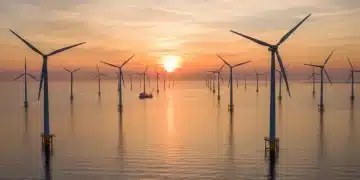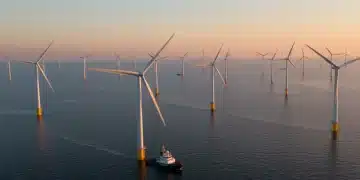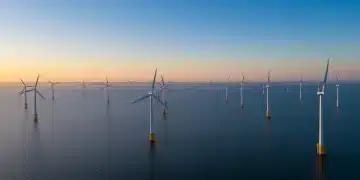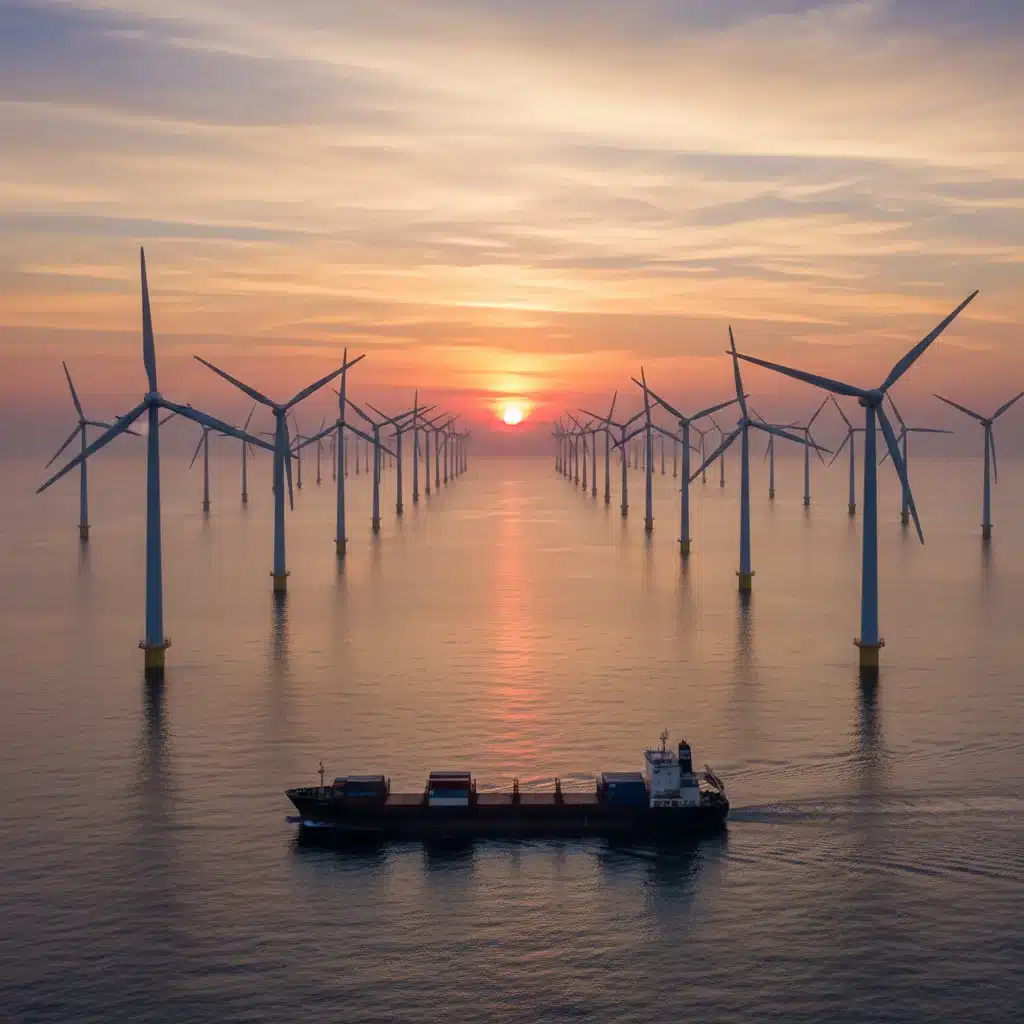
The United States is on the cusp of a significant energy transformation, with offshore wind power emerging as a critical component of its renewable energy strategy. As we look towards 2026, the outlook for US offshore wind is not just optimistic; it’s a testament to concerted efforts in policy, technology, and investment. This article delves into the projected development of offshore wind projects and forecasts a robust 15% growth in energy output by 2026, marking a pivotal moment in the nation’s journey towards a sustainable future.
The Current Landscape of US Offshore Wind
Before we project into 2026, understanding the current state of US offshore wind is crucial. For years, Europe has led the charge in offshore wind development, but the US is rapidly catching up. The nation’s vast coastlines, particularly along the Atlantic, offer immense potential for harnessing wind energy. While initial projects were modest, the momentum has significantly accelerated in recent years, driven by state-level commitments and federal support.
Key operational projects, such as Block Island Wind Farm and the Virginia Coastal Offshore Wind pilot project, have demonstrated the viability and benefits of offshore wind in the US. These early successes have paved the way for larger-scale developments, attracting substantial investment and fostering a nascent but growing supply chain. The regulatory framework, though complex, is becoming more streamlined, indicating a maturing industry.
Policy and Regulatory Drivers for US Offshore Wind Growth
The ambitious targets set by various states, particularly in the Northeast and Mid-Atlantic regions, are primary catalysts for the anticipated growth in US offshore wind. States like New York, New Jersey, Massachusetts, and Maryland have committed to procuring gigawatts of offshore wind capacity, creating a strong market signal for developers. These state-level mandates are often accompanied by supportive policies, including renewable energy credits, tax incentives, and streamlined permitting processes, all designed to accelerate project development and deployment.
At the federal level, the Biden administration has set aggressive goals for offshore wind, aiming for 30 gigawatts (GW) of capacity by 2030. This overarching federal commitment provides a stable and predictable environment for investment, crucial for long-term project planning. Initiatives from the Department of Energy (DOE) and the Bureau of Ocean Energy Management (BOEM) are facilitating leasing, environmental reviews, and research & development, further solidifying the foundation for significant expansion in US offshore wind. The Inflation Reduction Act (IRA) of 2022, with its generous tax credits and incentives for clean energy projects, is expected to be a game-changer, significantly reducing project costs and enhancing economic viability for US offshore wind.
Forecasting 2026: Project Development and Energy Output
The 2026 outlook for US offshore wind is characterized by a surge in project development and a tangible increase in energy output. Several large-scale projects, currently in various stages of planning, permitting, and construction, are expected to come online or begin significant phases of operation by this time. This includes major developments off the coasts of Massachusetts, New York, and New Jersey, which are poised to add substantial capacity to the grid.
The projected 15% growth in energy output by 2026 is a conservative yet robust estimate, reflecting the maturation of projects that have secured financing and regulatory approvals. This growth will not only be driven by new installations but also by the increasing efficiency and optimization of existing and newly operational wind farms. Advancements in turbine technology, including larger rotor diameters and higher capacity factors, mean that each new turbine contributes more significantly to the overall energy mix.
Key Projects Driving US Offshore Wind Expansion
By 2026, several flagship US offshore wind projects are expected to be either fully operational or nearing completion, contributing significantly to the national energy output. Projects like Vineyard Wind 1 off Massachusetts, Empire Wind and Beacon Wind off New York, and Ocean Wind off New Jersey are at the forefront of this expansion. These projects collectively represent several gigawatts of capacity, enough to power millions of homes.
Vineyard Wind 1, for instance, is set to be the first large-scale offshore wind farm in the US, with a capacity of 800 MW. Its completion and full operation will provide invaluable lessons and a template for future developments. Similarly, the progress of projects like Empire Wind 1 and 2 (totaling over 2 GW) and Ocean Wind 1 (1.1 GW) will be crucial indicators of the industry’s trajectory. The sheer scale of these developments underscores the commitment to US offshore wind and its potential to transform the energy landscape.
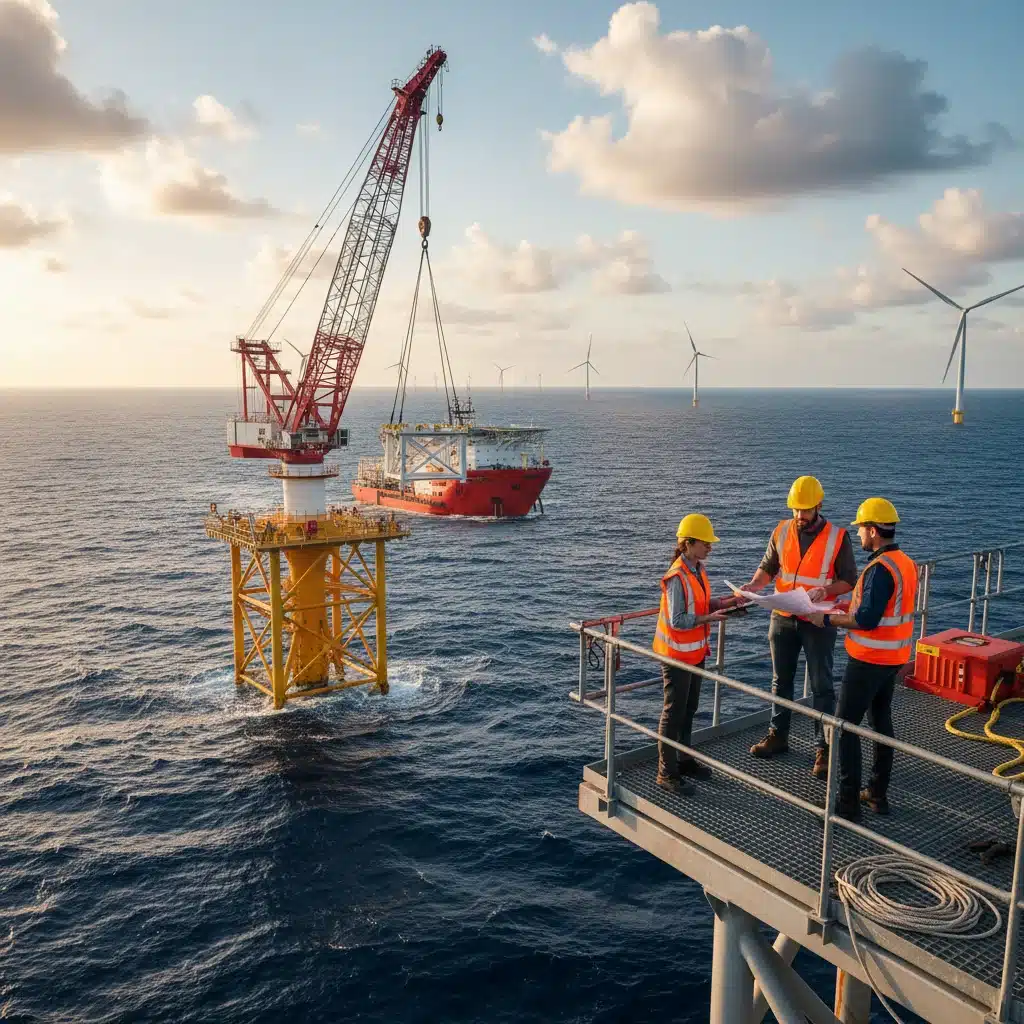
The development of these large-scale projects also entails significant infrastructure investments, including port upgrades, manufacturing facilities for turbine components, and specialized installation vessels. These investments not only support the immediate construction needs but also lay the groundwork for a sustained and robust US offshore wind industry well beyond 2026.
Technological Advancements and Efficiency Gains
The projected growth in US offshore wind energy output is not solely about the number of turbines installed; it’s also heavily influenced by continuous technological advancements. Turbine technology has evolved rapidly, with new generations of turbines offering greater power output, improved reliability, and enhanced efficiency. By 2026, it is expected that even larger and more powerful turbines will be deployed, capable of capturing more wind energy per installation.
Floating offshore wind technology is another area seeing significant progress. While most current US projects are fixed-bottom installations in shallower waters, floating platforms open up vast new areas for development in deeper waters, particularly off the West Coast and in parts of the Atlantic. Though large-scale commercial floating wind farms might be beyond the immediate 2026 horizon, pilot projects and demonstration efforts will likely advance significantly, setting the stage for future expansion.
Digitalization and advanced analytics are also playing a crucial role. Remote monitoring, predictive maintenance, and artificial intelligence-driven operational optimization are maximizing the uptime and energy capture of wind farms. These technologies allow operators to anticipate potential issues, schedule maintenance more efficiently, and fine-tune turbine performance, all contributing to higher overall energy output and a more reliable US offshore wind grid.
Challenges and Opportunities in US Offshore Wind Development
Despite the optimistic outlook, the US offshore wind industry faces several challenges that must be navigated to achieve the projected 15% growth by 2026. These include:
- Supply Chain Constraints: Building a robust domestic supply chain for offshore wind components, vessels, and skilled labor is critical. Reliance on international suppliers can lead to delays and increased costs.
- Permitting and Regulatory Hurdles: While improving, the permitting process for large-scale offshore wind farms remains complex and time-consuming, involving multiple federal and state agencies.
- Grid Infrastructure: Integrating large amounts of intermittent offshore wind power into the existing grid requires significant upgrades to transmission infrastructure, including new subsea cables and onshore substations.
- Environmental Concerns: Addressing potential impacts on marine ecosystems, fisheries, and avian populations is paramount. Careful planning, stakeholder engagement, and mitigation strategies are essential for sustainable development.
- Socio-Economic Factors: Gaining public acceptance and addressing concerns from coastal communities and traditional industries, such as fishing, is crucial for the long-term success of US offshore wind.
However, these challenges also present significant opportunities. The push to localize the supply chain is creating new manufacturing jobs and economic development opportunities in coastal regions. Investments in grid modernization will benefit the entire energy system, improving reliability and resilience. Furthermore, the development of best practices for environmental stewardship in US offshore wind can set a global standard for responsible renewable energy development.
Economic Impact and Job Creation
The growth of US offshore wind is poised to generate substantial economic benefits. The construction, operation, and maintenance of wind farms create thousands of high-paying jobs across various sectors, from manufacturing and engineering to logistics and specialized maritime services. The development of port infrastructure to support the industry also revitalizes coastal communities.
The 15% projected energy output increase by 2026 translates directly into increased economic activity and job creation. This extends beyond direct employment to indirect benefits, such as increased tax revenues for states and local communities, and the stimulation of related industries. The long-term operational lifespan of offshore wind farms ensures sustained economic contributions for decades.
The Role of Research and Development
Continued investment in research and development (R&D) is vital for the sustained growth and competitiveness of US offshore wind. R&D efforts are focused on several key areas:
- Advanced Turbine Designs: Developing more efficient, larger, and lighter turbines, including those optimized for specific US wind conditions.
- Floating Wind Technology: Accelerating the commercialization of floating platforms to unlock deeper water sites.
- Grid Integration Solutions: Innovating in energy storage, smart grid technologies, and high-voltage direct current (HVDC) transmission to efficiently integrate offshore wind into the grid.
- Environmental Monitoring and Mitigation: Developing advanced tools and techniques to monitor marine life and minimize environmental impacts during all phases of a project.
- Supply Chain Optimization: Researching new manufacturing processes, materials, and logistics solutions to reduce costs and enhance domestic production capabilities for US offshore wind.
These R&D initiatives, often supported by federal grants and private sector investment, are crucial for overcoming technical hurdles, reducing costs, and ensuring that US offshore wind remains at the forefront of renewable energy innovation. The insights gained from these efforts will directly contribute to the industry’s ability to meet and exceed future energy output targets.
Looking Beyond 2026: A Long-Term Vision for US Offshore Wind
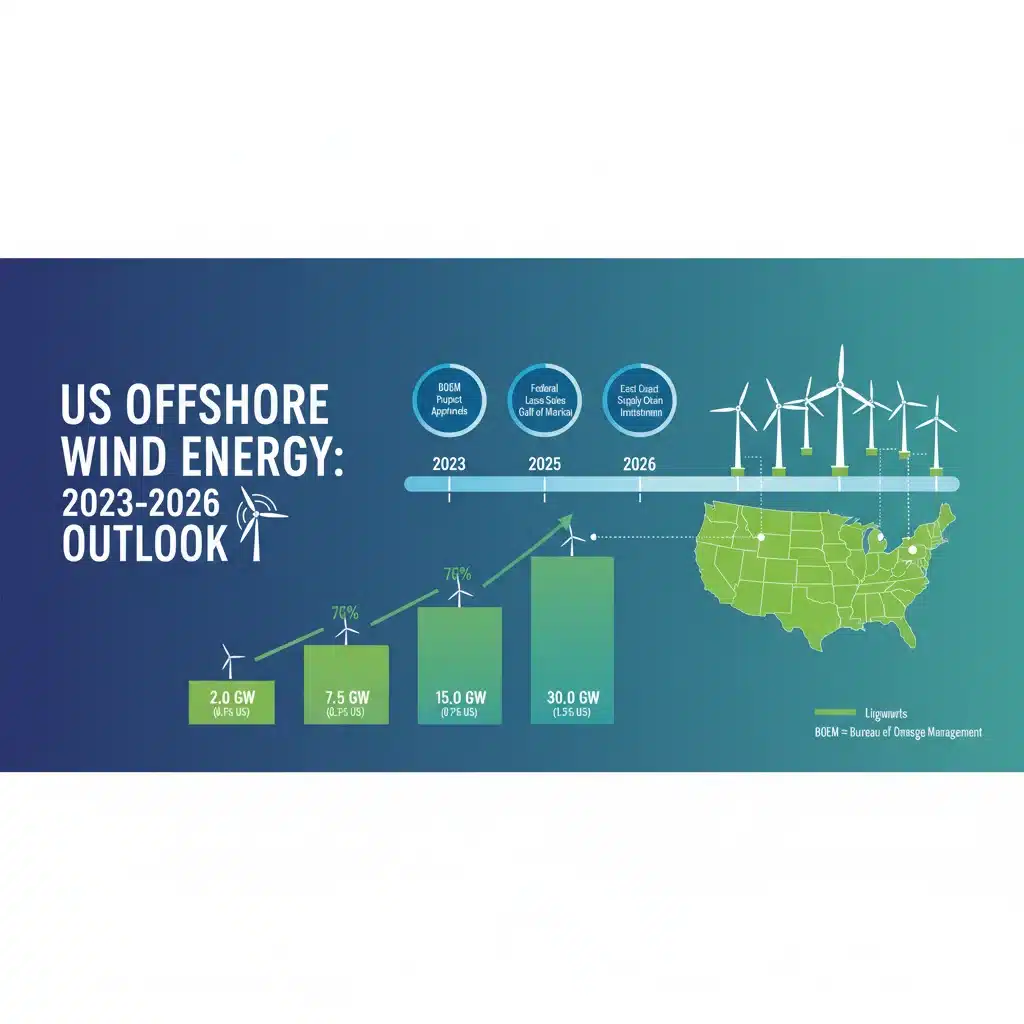
While 2026 marks a significant milestone with a projected 15% growth in energy output, it is merely a stepping stone in the broader trajectory of US offshore wind. The long-term vision extends towards achieving the federal goal of 30 GW by 2030 and beyond, with some analysts predicting up to 110 GW by 2050. This ambitious future will be shaped by continued policy support, technological breakthroughs, and the successful resolution of current challenges.
The expansion of offshore wind will play a critical role in decarbonizing the US electricity sector, contributing significantly to climate change mitigation goals. It will also enhance energy security by diversifying the energy mix and reducing reliance on fossil fuels. The experience gained from projects developed by 2026 will provide invaluable data and best practices, further accelerating subsequent phases of development.
The establishment of a robust domestic supply chain, skilled workforce, and advanced port infrastructure will ensure that the US becomes a global leader in offshore wind, not just in deployment but also in innovation and manufacturing. The economic benefits, environmental advantages, and energy independence offered by US offshore wind are compelling drivers for its sustained growth in the decades to come.
Conclusion: A Bright Future for US Offshore Wind Power
The 2026 outlook for US offshore wind power is unequivocally positive, with a clear trajectory towards substantial project development and a projected 15% increase in energy output. This growth is underpinned by strong policy support, significant technological advancements, and increasing investment. While challenges remain, the industry is demonstrating resilience and innovation in addressing them, transforming them into opportunities for economic growth and environmental stewardship.
As the nation continues its transition to a cleaner energy future, US offshore wind will be an indispensable asset. The momentum built by 2026 will set the stage for even more ambitious goals, paving the way for a sustainable, secure, and prosperous energy landscape for generations to come. The journey of US offshore wind is not just about turbines and megawatts; it’s about building a cleaner, brighter future.