Energy Efficiency Upgrades: US Business Savings with 2026 Incentives
Anúncios
Energy Efficiency Upgrades: How US Businesses Can Save 25% on Costs with 2026 Incentives
In an era defined by fluctuating energy prices, increasing environmental consciousness, and a competitive global market, US businesses are continually seeking innovative ways to reduce operational costs and enhance their bottom line. One of the most impactful strategies available today is investing in energy efficiency upgrades. With the advent of new and enhanced incentives slated for 2026, companies have an unprecedented opportunity to achieve significant business energy savings, potentially cutting their energy expenditures by up to 25% or more. This comprehensive guide will delve into the critical role of energy efficiency, outline the upcoming incentives, and provide a roadmap for businesses to capitalize on these programs.
The Imperative of Energy Efficiency for Modern Businesses
Energy consumption is a substantial operating expense for virtually every business, regardless of size or industry. From lighting and HVAC systems to manufacturing processes and data centers, energy powers the modern enterprise. However, a significant portion of this energy is often wasted due to outdated equipment, inefficient practices, and a lack of awareness. Embracing energy efficiency is no longer just an environmental concern; it’s a strategic business imperative that offers a multitude of benefits:
- Cost Reduction: The most direct and immediate benefit. Lower energy consumption translates directly into lower utility bills, freeing up capital for other investments or improving profit margins.
- Enhanced Competitiveness: Businesses with lower operating costs can offer more competitive pricing, invest more in innovation, or improve employee benefits, gaining an edge in the marketplace.
- Improved Brand Image and Customer Loyalty: Consumers and B2B clients alike are increasingly prioritizing sustainability. Demonstrating a commitment to energy efficiency can significantly boost a company’s reputation and attract environmentally conscious customers.
- Reduced Carbon Footprint: Contributing to environmental stewardship by lowering greenhouse gas emissions, aligning with corporate social responsibility goals.
- Increased Asset Value: Energy-efficient buildings and equipment often command higher market values and can be more attractive to tenants or buyers.
- Energy Security and Resilience: Reducing reliance on external energy sources and mitigating the impact of energy price volatility.
- Employee Comfort and Productivity: Upgraded systems, such as improved lighting and HVAC, can create a more comfortable and productive work environment.
The journey towards greater energy efficiency often begins with a comprehensive energy audit, which identifies areas of waste and opportunities for improvement. This foundational step is crucial for developing a targeted and effective strategy for maximizing business energy savings.
Understanding the 2026 Incentives Landscape
The US government, along with various state and local entities, is continually evolving its incentive programs to encourage energy efficiency and accelerate the transition to a cleaner economy. While specific details for 2026 incentives are still being finalized and may be subject to legislative changes, trends indicate a continued and potentially expanded commitment to supporting businesses in their energy efficiency endeavors. Key areas of focus are expected to include:
Federal Tax Credits and Deductions
The Inflation Reduction Act (IRA) of 2022 significantly expanded and extended several key tax credits, many of which are set to continue or even increase in value through 2026. These often include:
- Section 179D Energy Efficient Commercial Buildings Deduction: This deduction allows building owners and tenants to claim a tax deduction for installing qualifying energy-efficient commercial building property. The deduction amount is often tied to the level of energy savings achieved, with higher savings yielding a larger deduction. Updates are expected to make this even more attractive.
- Investment Tax Credit (ITC) for Renewable Energy: While primarily for renewable energy generation (like solar and wind), the ITC can indirectly support energy efficiency by making it more feasible for businesses to generate their own clean power, reducing their reliance on the grid and overall energy costs.
- Other Specific Technology Credits: Look for potential credits related to specific energy-efficient technologies, such as advanced HVAC systems, smart building controls, and electric vehicle charging infrastructure.
Grants and Loan Programs
Beyond tax incentives, federal agencies like the Department of Energy (DOE) and the Small Business Administration (SBA) often offer grants and low-interest loan programs specifically designed to help businesses finance energy efficiency projects. These programs are particularly valuable for small and medium-sized enterprises (SMEs) that may have limited capital for upfront investments.
State and Local Programs
Many states, counties, and municipalities offer their own unique incentive programs, which can include:
- Rebates: Direct cash back for purchasing and installing specific energy-efficient equipment (e.g., LED lighting, high-efficiency boilers, insulation).
- Property Assessed Clean Energy (PACE) Financing: This innovative financing mechanism allows property owners to fund energy efficiency, renewable energy, and water conservation improvements through a special assessment on their property tax bill. PACE programs often offer long repayment terms and competitive interest rates.
- Grants and Tax Abatements: Local governments may offer grants for specific projects or property tax abatements for buildings that achieve certain energy efficiency certifications.
- Utility Company Incentives: Most utility companies offer their own incentive programs to encourage customers to reduce energy consumption, which helps them manage demand and avoid building new power plants. These can include rebates, technical assistance, and energy audits.
Staying informed about the specific incentives available in your region is crucial. Consulting with energy consultants and tax professionals can help businesses navigate this complex landscape and identify the most lucrative opportunities for business energy savings.
Strategies for Maximizing Business Energy Savings
To effectively leverage the 2026 incentives and achieve substantial business energy savings, a strategic and systematic approach is essential. Here are key strategies businesses should consider:
1. Conduct a Comprehensive Energy Audit
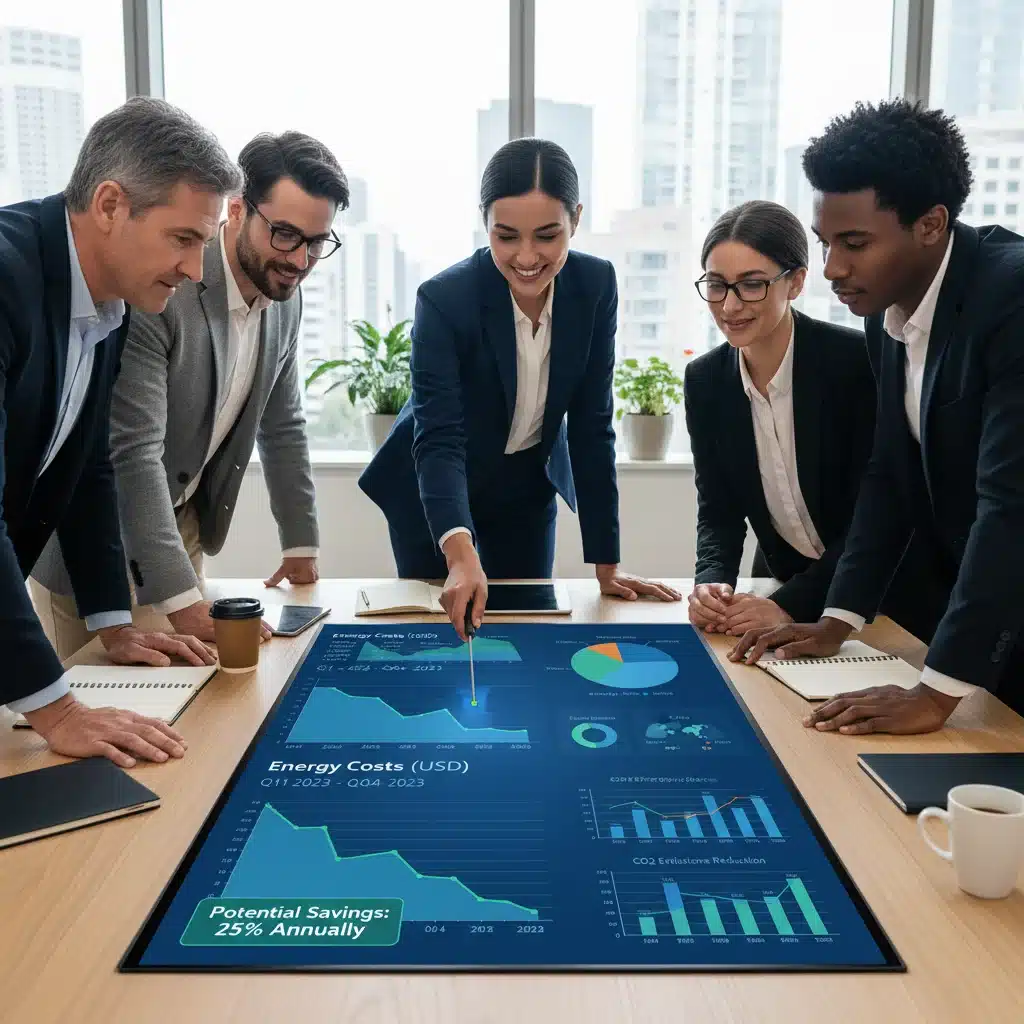
Before any significant investment, a professional energy audit is paramount. This audit will identify where and how energy is being consumed, pinpoint inefficiencies, and recommend specific upgrades with estimated cost savings and payback periods. An audit provides the data necessary to make informed decisions and prioritize projects for maximum impact.
2. Prioritize High-Impact Upgrades
Not all energy efficiency projects are created equal. Some offer quicker paybacks and higher returns on investment. Common high-impact upgrades include:
- LED Lighting Retrofits: Replacing traditional incandescent or fluorescent lighting with LEDs can reduce lighting energy consumption by 50-80% and significantly lower maintenance costs due to longer lifespans.
- HVAC System Optimization and Upgrades: Heating, ventilation, and air conditioning often represent the largest energy consumers in commercial buildings. Upgrading to high-efficiency systems, implementing smart thermostats, and optimizing controls can yield substantial savings.
- Building Envelope Improvements: Enhancing insulation, sealing air leaks, and upgrading windows can drastically reduce heating and cooling loads.
- Smart Building Management Systems (BMS): These systems integrate and automate various building functions, including HVAC, lighting, security, and access control, allowing for precise control and optimization of energy use.
- Process Optimization: For manufacturing or industrial businesses, optimizing production processes, recovering waste heat, and upgrading to more energy-efficient machinery can lead to significant reductions in energy intensity.
3. Explore Renewable Energy Integration
While distinct from pure efficiency, integrating renewable energy sources like solar photovoltaics (PV) can complement efficiency efforts by reducing reliance on grid power and further enhancing business energy savings. Many incentives, such as the Investment Tax Credit, support renewable energy installations, making them more financially viable.
4. Leverage Advanced Technologies
The rapid advancement of technology offers new opportunities for energy efficiency:
- IoT Sensors and Data Analytics: Deploying sensors to monitor energy consumption in real-time, identify anomalies, and inform predictive maintenance schedules.
- Artificial Intelligence (AI) for Building Management: AI can analyze vast amounts of data to continuously optimize building systems, adapting to occupancy, weather patterns, and energy prices.
- Energy Storage Solutions: Battery storage can allow businesses to store energy generated from renewables or purchased during off-peak hours, then use it during peak demand, reducing peak charges.
5. Engage Employees and Foster a Culture of Efficiency
Technology alone isn’t enough. Employee behavior plays a crucial role. Educating employees about energy-saving practices (e.g., turning off lights, unplugging electronics, proper thermostat usage) and fostering a culture of efficiency can contribute significantly to overall business energy savings.
6. Plan Ahead for 2026 Incentives
Given that many incentives operate on a first-come, first-served basis or have application deadlines, proactive planning is crucial. Businesses should:
- Stay Informed: Regularly monitor official government websites, industry publications, and consult with energy policy experts for updates on 2026 incentive programs.
- Prepare Documentation: Gather necessary financial statements, energy consumption data, and project plans to streamline the application process for grants or tax credits.
- Consult Experts: Work with energy consultants, tax advisors, and legal professionals who specialize in incentive programs to ensure compliance and maximize benefits.
Case Studies: Realizing Business Energy Savings
To illustrate the tangible benefits, let’s consider hypothetical examples based on common scenarios:
Case Study 1: Mid-Sized Manufacturing Plant
A manufacturing plant with outdated machinery and inefficient lighting faced rising energy costs. An energy audit revealed that upgrading to high-efficiency motors, optimizing compressed air systems, and retrofitting with LED lighting could reduce electricity consumption by 30%. With the help of federal tax credits and a state-level rebate program, the plant secured funding for the upgrades. The initial investment was substantial, but the incentives covered 35% of the cost. Within three years, the plant achieved a full payback, and now enjoys annual business energy savings of over $150,000, significantly improving its competitive position.
Case Study 2: Commercial Office Building
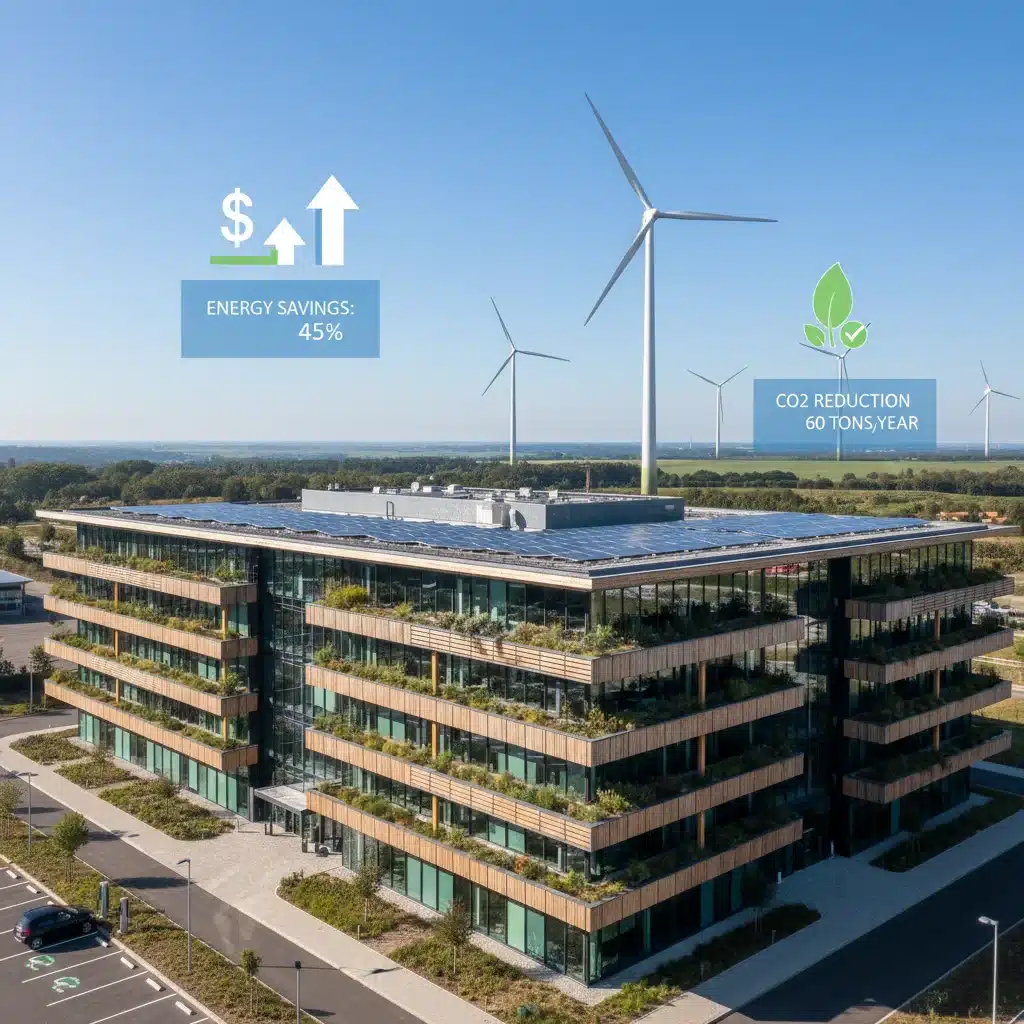
A multi-tenant office building in a major metropolitan area sought to attract new tenants by improving its sustainability credentials and reducing operating expenses. They invested in a smart building management system, upgraded to energy-efficient windows, and installed occupancy sensors for lighting. Leveraging the Section 179D tax deduction and a local PACE financing program, the building owner was able to fund the project with minimal upfront capital. The improvements led to a 20% reduction in energy bills, which was passed on to tenants through lower common area maintenance fees, and an increase in the building’s market value. The enhanced energy performance became a key selling point for new leases.
Case Study 3: Retail Chain with Multiple Locations
A national retail chain aimed to standardize its energy efficiency across its hundreds of stores. They focused on HVAC upgrades, refrigeration unit improvements, and comprehensive LED lighting retrofits. By working with a utility company’s demand-side management program, they received significant rebates for each store’s upgrades. Additionally, by centralizing their energy procurement and monitoring, they identified opportunities for further optimization. The cumulative effect of these initiatives resulted in an average of 22% business energy savings across the entire chain, translating into millions of dollars annually, which was reinvested into store modernization and employee training.
Overcoming Challenges in Energy Efficiency Implementation
While the benefits of energy efficiency are clear, businesses may encounter several challenges:
- Upfront Costs: The initial investment for significant upgrades can be a barrier, especially for smaller businesses. This is where incentives and financing options become critical.
- Complexity of Incentives: Navigating the myriad of federal, state, and local programs can be daunting. Expert guidance is often necessary.
- Disruption to Operations: Some upgrades may require temporary disruptions to business operations. Careful planning and scheduling can minimize this impact.
- Lack of Internal Expertise: Many businesses may not have the in-house knowledge or staff to effectively plan, implement, and manage energy efficiency projects. Outsourcing to specialized consultants can bridge this gap.
- Measuring ROI: Accurately tracking and demonstrating the return on investment for energy efficiency projects requires robust monitoring and verification protocols.
Addressing these challenges proactively, particularly by leveraging the upcoming 2026 incentives, will be key to successful implementation and realizing the full potential of business energy savings.
The Future of Business Energy Savings: Beyond 2026
The trajectory for energy efficiency and sustainability in the US business sector is one of continuous growth and innovation. Beyond 2026, we can anticipate:
- Stricter Building Codes and Regulations: Governments will likely continue to raise the bar for building energy performance, making efficiency upgrades a regulatory necessity rather than just an option.
- Further Technological Advancements: Expect even more sophisticated AI-driven systems, advanced materials, and integrated solutions that make buildings and processes inherently more efficient.
- Increased Emphasis on Grid Integration: Businesses will play a larger role in grid stability through demand response programs, smart charging for electric vehicle fleets, and on-site energy storage, further monetizing their energy efficiency efforts.
- Supply Chain Pressure: Large corporations will increasingly demand energy efficiency and sustainability from their suppliers, driving adoption throughout various industries.
- Green Finance Growth: The market for green bonds, sustainability-linked loans, and other financial instruments will continue to expand, providing more accessible capital for eco-friendly projects.

Businesses that embrace energy efficiency now, taking advantage of the robust incentives of 2026, will not only secure immediate financial benefits but also position themselves for long-term resilience, competitiveness, and leadership in a rapidly evolving sustainable economy.
Actionable Steps for Your Business
Ready to unlock significant business energy savings? Here’s a checklist to get started:
- Initiate an Energy Audit: Hire a certified energy auditor to assess your current consumption and identify key areas for improvement.
- Research 2026 Incentives: Begin researching federal, state, local, and utility-specific incentives that align with your planned upgrades. Consult official government websites and energy incentive databases.
- Develop a Project Plan: Based on the audit, create a phased plan for energy efficiency upgrades, prioritizing projects with the best ROI and considering how they align with upcoming incentives.
- Secure Financing: Explore various financing options, including grants, low-interest loans, PACE financing, and traditional commercial loans, keeping the 2026 incentives in mind to reduce your net cost.
- Engage Stakeholders: Get buy-in from management, employees, and relevant departments to ensure smooth implementation and ongoing adherence to energy-saving practices.
- Implement and Monitor: Execute the upgrades and establish a system for continuous monitoring of energy consumption and savings. Regularly review performance to ensure targets are met and identify further optimization opportunities.
- Stay Compliant: Work with tax and legal professionals to ensure all incentive applications and project implementations comply with relevant regulations and documentation requirements.
Conclusion
The year 2026 presents a golden opportunity for US businesses to dramatically reduce their operational costs through strategic energy efficiency upgrades. With a supportive landscape of federal, state, and local incentives, combined with ongoing technological advancements, achieving 25% or more in business energy savings is not just an ambitious goal but a highly attainable reality. By taking proactive steps, investing wisely, and leveraging available programs, businesses can not only enhance their financial performance but also contribute meaningfully to a sustainable future. The time to act is now, to ensure your business is well-prepared to reap the rewards of a more energy-efficient tomorrow.