Smart Water Systems: Reduce Water Consumption by 25% Today
Anúncios
Insider Knowledge: How Smart Water Systems Can Reduce Your Water Consumption by 25% Starting Today
In an era where sustainability and resource conservation are paramount, understanding and managing our water consumption has never been more critical. For many homeowners, the idea of significantly reducing water usage might seem daunting, perhaps even sacrificing comfort or convenience. However, what if we told you that with the right technology, you could not only cut your water consumption by a remarkable 25% but also enhance your home’s efficiency and save money in the process? Welcome to the world of smart water systems.
Smart water systems are revolutionizing how we interact with and manage one of our most precious resources. These innovative technologies leverage advanced sensors, artificial intelligence, and connectivity to provide granular control and insights into your water usage. From detecting hidden leaks to optimizing irrigation, these systems offer a comprehensive approach to water conservation that is both effective and surprisingly easy to implement.
This comprehensive guide will delve deep into the mechanics, benefits, and practical applications of smart water systems. We’ll explore how these intelligent solutions can empower you to achieve substantial water savings, contribute to environmental sustainability, and enjoy a smarter, more efficient home. Prepare to transform your relationship with water and unlock significant savings, starting today.
The Urgent Need for Water Conservation: Why Smart Water Systems Matter
Before we dive into the specifics of smart water systems, it’s crucial to understand the global context that makes these technologies so vital. Water scarcity is a growing concern worldwide, exacerbated by climate change, population growth, and inefficient usage. Even in regions that seem water-rich, local droughts and infrastructure challenges can lead to restrictions and rising utility costs. Your home’s water consumption, though seemingly small in the grand scheme, collectively contributes to this larger picture.
Global Water Challenges and Local Impacts
- Resource Depletion: Aquifers are being depleted faster than they can replenish, and freshwater sources are under immense pressure.
- Climate Change: Altered weather patterns lead to more frequent and severe droughts in many areas.
- Infrastructure Strain: Aging water infrastructure often results in significant water loss through leaks before it even reaches homes.
- Rising Costs: As water becomes scarcer and infrastructure requires upgrades, the cost of water for consumers inevitably rises.
For homeowners, inefficient water usage translates directly into higher utility bills. Leaky pipes, over-watering lawns, and outdated appliances can waste thousands of gallons of water annually, often unnoticed. This is where smart water systems step in, offering a proactive solution to identify and rectify these inefficiencies, transforming your home into a bastion of water conservation.
What Exactly Are Smart Water Systems?
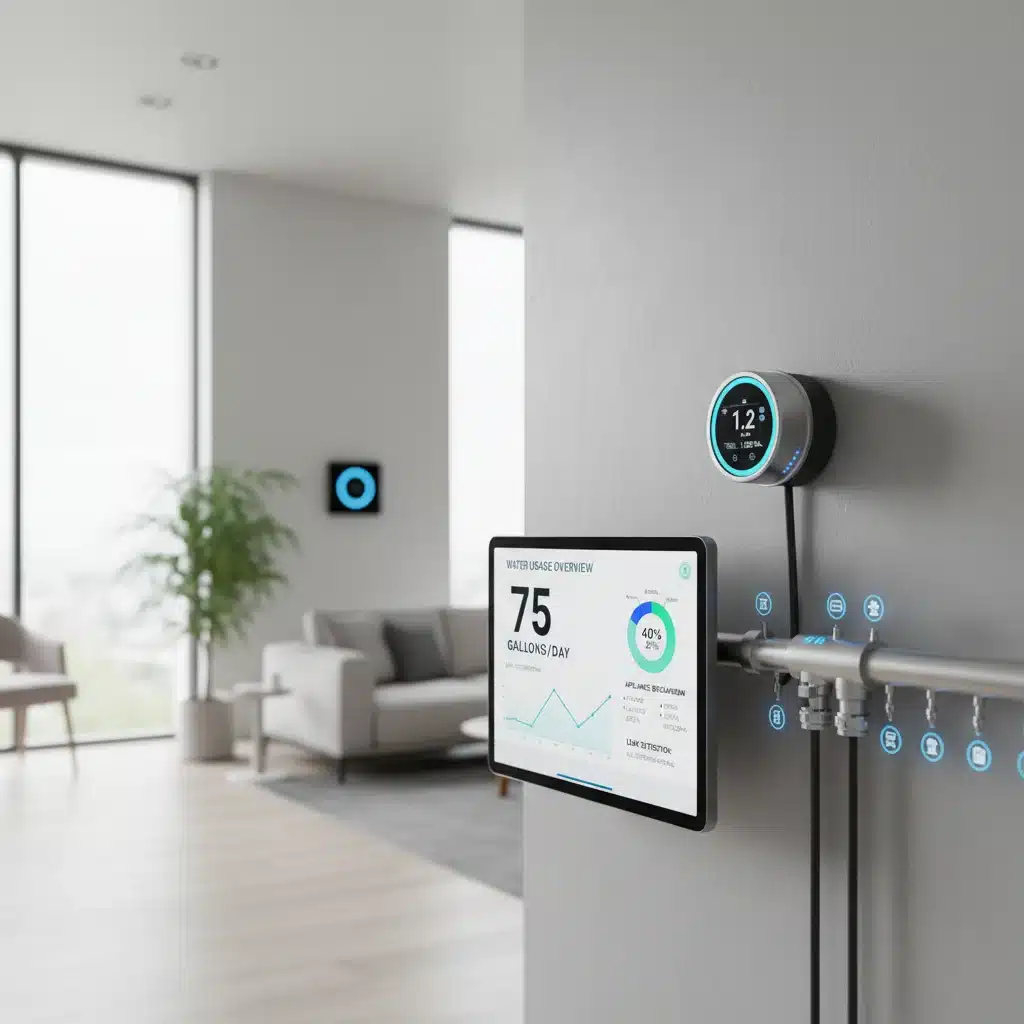
At its core, a smart water system is an integrated network of devices designed to monitor, manage, and optimize water usage in your home. These systems typically combine hardware components like sensors and smart valves with software platforms that provide data, analytics, and automation capabilities. Think of it as a central nervous system for your home’s water supply.
Key Components of a Smart Water System
- Smart Water Meters: These devices track real-time water flow and consumption, providing detailed data that traditional meters cannot. They can identify unusual patterns that might indicate a leak.
- Leak Detection Sensors: Placed near potential leak sources (e.g., water heaters, washing machines, toilets), these sensors detect moisture and can alert you instantly or even automatically shut off the water supply.
- Smart Shut-off Valves: Often integrated with leak detection, these valves can automatically turn off the main water supply to prevent extensive damage from burst pipes or major leaks.
- Smart Irrigation Controllers: These systems connect to local weather forecasts, soil moisture sensors, and plant databases to water your lawn and garden only when and where it’s needed, preventing over-watering.
- Water Usage Monitors: These devices attach to existing pipes and provide a breakdown of water consumption by fixture or appliance, helping you pinpoint where most water is being used.
- Centralized Hub/App: All these components are typically connected to a central hub or a smartphone application, allowing you to monitor usage, receive alerts, and control settings remotely.
The beauty of smart water systems lies in their interconnectedness and intelligence. They don’t just report data; they interpret it and can take action, often before you even realize there’s a problem. This level of automation and insight is what makes a 25% reduction in water consumption not just a possibility, but a highly achievable goal.
Achieving a 25% Reduction: How Smart Water Systems Deliver
The promise of reducing water consumption by 25% or more is not an exaggeration. Smart water systems achieve this through a multi-faceted approach that addresses the most common sources of water waste in homes.
1. Eliminating Hidden Leaks (Up to 10-15% Savings)
According to the EPA, household leaks can waste nearly 1 trillion gallons of water nationwide each year. That’s equivalent to the annual water use of more than 11 million homes! A single leaky toilet can waste 200 gallons of water per day, and a dripping faucet can waste 3,000 gallons per year. Most homeowners are unaware of these leaks until they see a spike in their water bill or discover water damage.
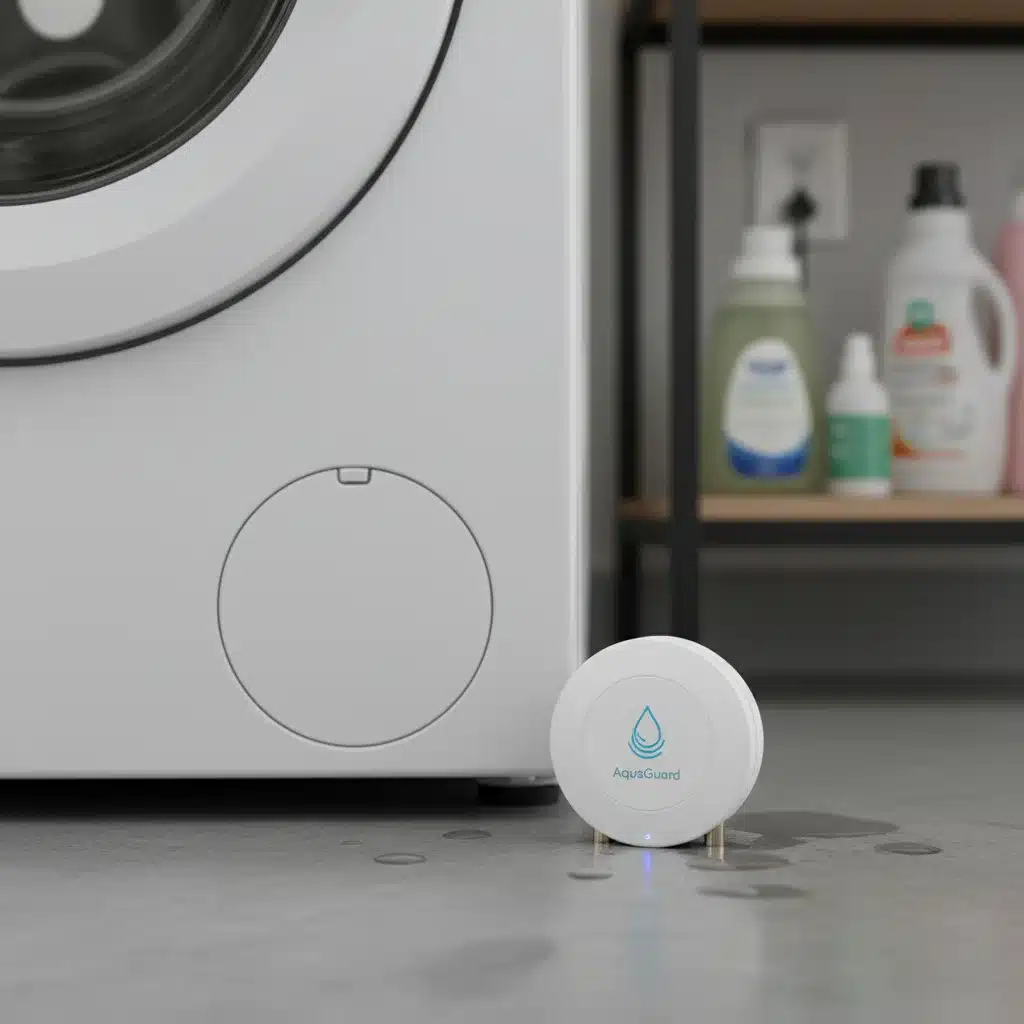
Smart water systems equipped with leak detection sensors and smart meters can:
- Detect Micro-Leaks: Even tiny, slow drips that go unnoticed by the naked eye are identified.
- Instant Alerts: You receive immediate notifications on your phone if a leak is detected, allowing for quick intervention.
- Automatic Shut-off: For significant leaks, smart shut-off valves can automatically turn off your main water supply, preventing catastrophic damage and massive water waste.
By proactively identifying and addressing leaks, these systems can eliminate a significant portion of your wasted water, often leading to double-digit percentage savings.
2. Optimizing Outdoor Irrigation (Up to 10-15% Savings)
Outdoor watering accounts for a substantial portion of household water use, especially in drier climates. Traditional irrigation systems often operate on fixed schedules, watering regardless of recent rainfall, soil moisture levels, or plant needs. This leads to considerable water waste through over-watering and runoff.
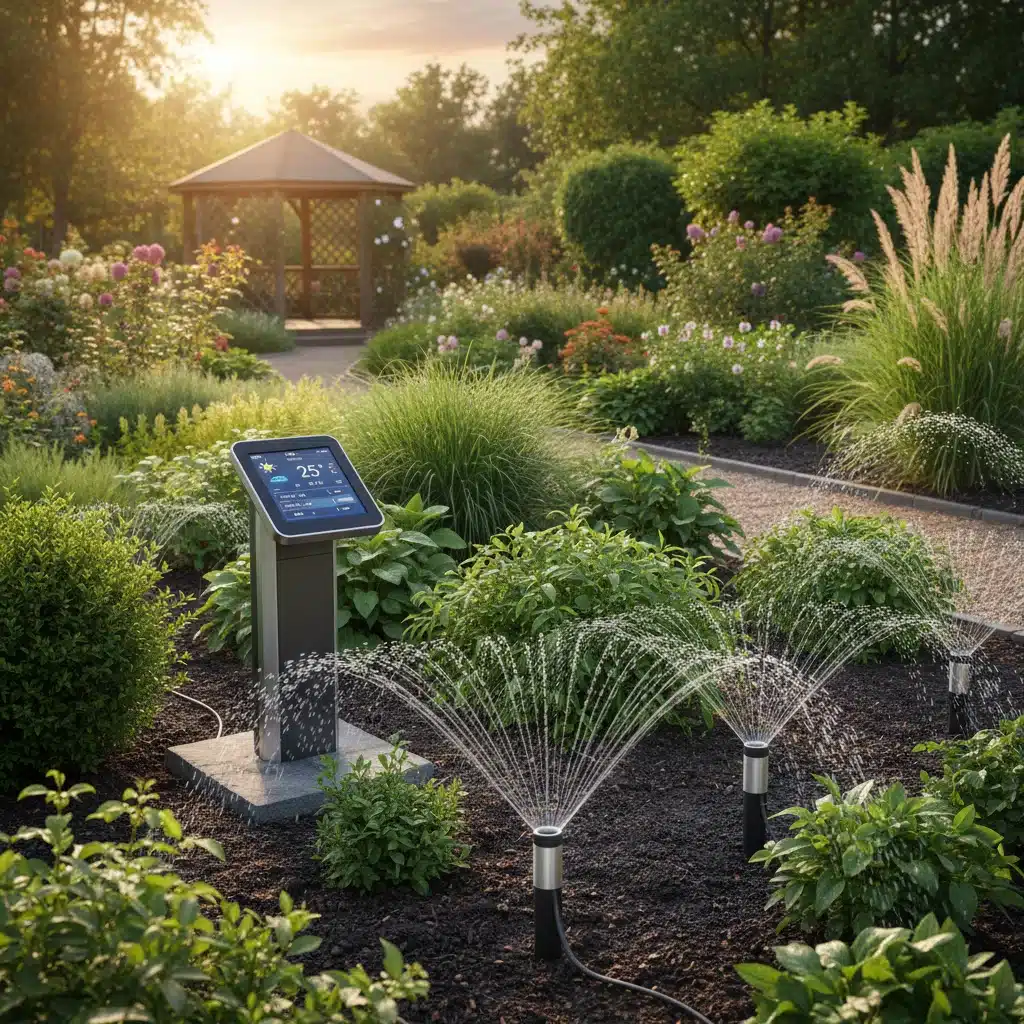
Smart water systems with intelligent irrigation controllers:
- Weather-Based Watering: Integrate with local weather forecasts to skip watering cycles when rain is expected or has recently occurred.
- Soil Moisture Sensing: Use sensors to determine the actual moisture content of your soil, watering only when necessary.
- Plant-Specific Needs: Can be programmed to water different zones of your garden according to the specific needs of the plants in those areas.
- Real-time Adjustments: Automatically adjust watering duration and frequency based on evapotranspiration rates and other environmental factors.
By preventing unnecessary watering and ensuring water is applied efficiently, smart irrigation can dramatically reduce your outdoor water consumption, contributing another significant chunk to your 25% savings goal.
3. Promoting Behavioral Change Through Data (Up to 5-10% Savings)
One of the most powerful aspects of smart water systems is their ability to provide actionable data. When you can see exactly how much water you’re using, where it’s being used, and when, it empowers you to make more informed decisions about your consumption habits.
- Detailed Usage Reports: Smart apps provide insights into daily, weekly, and monthly water usage, often broken down by fixture or activity.
- Identify Water-Intensive Habits: You might discover that long showers or frequent toilet flushes are contributing more to your bill than you realized.
- Set Goals and Track Progress: Many systems allow you to set water-saving goals and track your progress, turning conservation into a rewarding challenge.
This transparency fosters a greater awareness of water consumption, leading to conscious adjustments in daily routines, such as taking shorter showers, running full loads in dishwashers and washing machines, and being more mindful of tap usage. This behavioral shift, driven by data, can add another 5-10% to your overall water savings.
Beyond Savings: Additional Benefits of Smart Water Systems
While reducing water consumption and utility bills are primary motivators, smart water systems offer a wealth of other advantages that enhance home safety, convenience, and environmental responsibility.
Enhanced Property Protection
Water damage is one of the most common and costly homeowner insurance claims. A burst pipe or a slow, undetected leak can lead to extensive damage to floors, walls, furniture, and electronics, not to mention the potential for mold growth. Smart shut-off valves and leak detectors act as an early warning system, preventing minor issues from escalating into major disasters. This proactive protection can save you thousands in repair costs and countless hours of stress.
Increased Home Value and Appeal
As homebuyers become more environmentally conscious and seek homes with lower operating costs, smart home technologies, including smart water systems, are becoming increasingly attractive. Integrating these systems can boost your property’s value and appeal, making it stand out in the market.
Convenience and Peace of Mind
Imagine leaving for a long vacation without worrying about a pipe bursting while you’re away. With remote monitoring and automatic shut-off capabilities, smart water systems provide unparalleled peace of mind. You can check your water usage from anywhere, receive alerts, and even control your irrigation system with a few taps on your smartphone.
Contribution to Environmental Sustainability
Every gallon of water saved contributes to the larger goal of environmental sustainability. By reducing your household’s water footprint, you help conserve local water sources, reduce the energy required for water treatment and distribution, and support healthier ecosystems. It’s a tangible way to make a positive impact on the planet.
Choosing the Right Smart Water System for Your Home
The market for smart water systems is growing, offering a variety of options to suit different needs and budgets. When selecting a system, consider the following factors:
1. Identify Your Priorities
- Leak Protection: Is your primary concern preventing water damage and detecting leaks? Focus on systems with robust leak sensors and automatic shut-off valves.
- Outdoor Savings: Do you have a large lawn or garden? Prioritize smart irrigation controllers.
- Overall Monitoring: Do you want a comprehensive overview of your entire home’s water usage? Look for systems with whole-home water monitors and detailed analytics.
2. Compatibility and Integration
Consider how the smart water system will integrate with your existing smart home ecosystem (e.g., Google Home, Amazon Alexa, Apple HomeKit). Seamless integration allows for centralized control and automation.
3. Installation Complexity
Some systems are DIY-friendly, while others require professional installation, especially for main water shut-off valves. Assess your comfort level with home improvement projects or budget for professional help.
4. Features and Functionality
- Real-time Alerts: Ensure the system offers instant notifications via app, email, or text.
- Remote Control: The ability to monitor and control the system from anywhere is a key feature.
- Historical Data and Analytics: Detailed reports help you understand patterns and identify areas for improvement.
- Battery Life/Power Source: For wireless sensors, consider battery life and ease of replacement.
5. Cost and ROI
While there’s an initial investment, remember the long-term savings on water bills and potential avoidance of costly water damage. Calculate the estimated return on investment (ROI) to justify the upfront cost.
Installation and Setup: Getting Started with Smart Water Systems
Implementing a smart water system might seem complex, but many modern solutions are designed for straightforward installation. Here’s a general overview:
DIY vs. Professional Installation
- Leak Sensors and Water Monitors: Many leak sensors are wireless and can be placed in strategic locations (under sinks, near appliances) with ease. Water monitors that clamp onto existing pipes are also often DIY-friendly.
- Smart Shut-off Valves: Installing a smart shut-off valve on your main water line typically requires cutting into your plumbing. Unless you’re an experienced DIYer, professional plumbing assistance is recommended for this component to ensure proper installation and prevent leaks.
- Smart Irrigation Systems: Replacing an existing irrigation controller with a smart one is often a simple swap. Adding new sensors or zones might require more effort.
Connecting to Your Smart Home Network
Once hardware is installed, the next step is connecting the devices to your home Wi-Fi network and setting up the associated smartphone application. This usually involves a guided process through the app, where you pair devices, configure settings, and customize alerts.
Calibration and Personalization
For optimal performance, some smart water systems may require calibration. For instance, smart irrigation controllers need information about your soil type, plant types, and sprinkler head efficiency to create an optimized watering schedule. Take the time to personalize settings to match your home’s unique needs and your conservation goals.
Maximizing Your Savings: Beyond Installation
Installing a smart water system is a significant first step, but continuous engagement and complementary practices will help you maximize your 25% water reduction and beyond.
Regular Monitoring and Review
Make it a habit to regularly review the data provided by your smart water app. Look for trends, identify unusual spikes, and understand where your water is being used. This continuous monitoring is key to sustaining and improving your water-saving efforts.
Combine with Water-Efficient Fixtures
Pairing your smart water systems with low-flow showerheads, high-efficiency toilets, and ENERGY STAR certified appliances will amplify your savings. Smart systems help manage the water, while efficient fixtures reduce the amount of water needed in the first place.
Educate Your Household
Share the insights from your smart water system with everyone in your home. Understanding where water is being consumed can encourage family members to adopt more water-conscious habits, from shorter showers to turning off the tap while brushing teeth.
Seasonal Adjustments
Adjust your smart irrigation settings according to seasonal changes. Your lawn and garden will require less water in cooler months or during periods of dormancy. Your smart system may do this automatically, but a quick check ensures optimal performance.
The Future of Water Management: Evolving Smart Water Systems
The technology behind smart water systems is continually evolving. We can anticipate even more sophisticated features in the coming years:
- Predictive Analytics: Systems that not only detect leaks but can predict potential plumbing issues before they occur.
- AI-Driven Optimization: More advanced AI algorithms that learn your household’s patterns and automatically adjust water usage for maximum efficiency without manual input.
- Integration with Public Infrastructure: Potential for smart home systems to communicate with municipal water systems, providing real-time data on local water pressure or supply issues.
- Greywater Recycling Integration: Seamless integration with greywater recycling systems to reuse water for irrigation or toilet flushing, further reducing freshwater demand.
These advancements will make smart water systems even more powerful tools for conservation, pushing the boundaries of what’s possible in sustainable living.
Conclusion: Embrace the Smart Water Revolution Today
Reducing your water consumption by 25% or more is not just an aspirational goal; it’s an achievable reality with the implementation of smart water systems. These intelligent technologies offer a powerful combination of leak detection, optimized irrigation, and detailed usage insights, empowering you to take control of your home’s water footprint.
Beyond the undeniable financial savings on your utility bills, investing in a smart water system provides invaluable peace of mind, protects your property from costly damage, and contributes meaningfully to global water conservation efforts. As water becomes an increasingly precious resource, embracing these smart solutions is not just a smart choice for your wallet and your home, but a responsible step towards a more sustainable future.
Don’t wait for the next high water bill or the disaster of a burst pipe. Explore the diverse range of smart water systems available today and take the proactive step towards a more efficient, secure, and environmentally friendly home. Start your journey to 25% (or more!) water savings today.