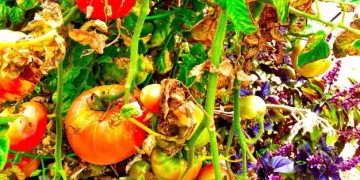
Urban garden and composting ideas to boost your green space
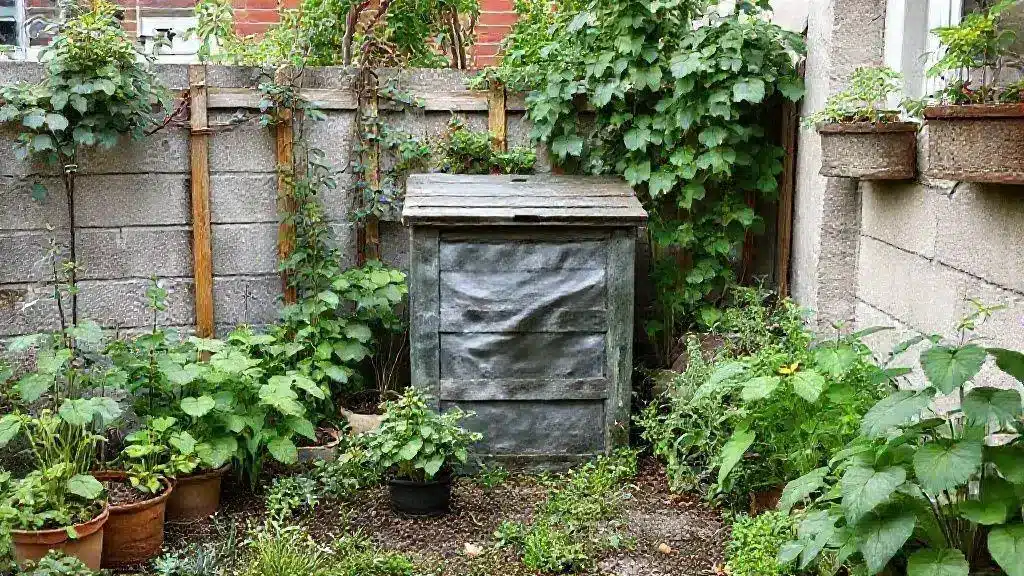
Urban garden and composting ideas include using vertical gardening, selecting compact plants, and utilizing methods like worm composting to maximize limited space effectively.
Urban garden and composting ideas can breathe new life into your living space. Have you ever imagined transforming your balcony or backyard into a flourishing garden? Let’s dive into some fantastic ideas that can help you grow your green oasis.
Getting started with urban gardening
Starting your journey into urban gardening can be both exciting and rewarding. You don’t need a large backyard; even a small balcony or windowsill can become a thriving green space! Let’s explore how to get started with your own urban garden.
Understanding the Basics
The first step is to understand your environment. Do you have enough sunlight? How much space do you have? These questions are crucial for choosing the right plants. Most plants need at least 6 hours of sunlight a day. Make sure to assess your area before selecting any plants.
Choosing the Right Containers
Containers are essential for urban gardening. Here are some tips for selecting the best ones:
- Look for pots with drainage holes.
- Choose containers that suit the size of your plants.
- Consider lightweight materials for easier movement.
- Use recycled materials like old buckets or crates for a sustainable approach.
When you have the right containers, you’re ready to pick your plants. Think about herbs and vegetables that do well in pots, such as tomatoes, peppers, and basil.
Soil and Fertilization
Using high-quality soil is crucial for a successful garden. Look for potting mixes that retain moisture and have plenty of nutrients. Don’t forget to fertilize! Organic options can contribute to healthy plants. Remember, a little goes a long way.
As you set up your garden, keep in mind the importance of regular maintenance. Watering your plants consistently is key, especially in warm weather. Check the moisture levels often, and don’t let the soil dry out completely.
With these basics, you are well on your way to enjoying the pleasures of urban gardening. It’s a wonderful way to stay connected with nature and enjoy fresh produce right at your fingertips. Start small, and watch your garden grow!
Best composting methods for small spaces
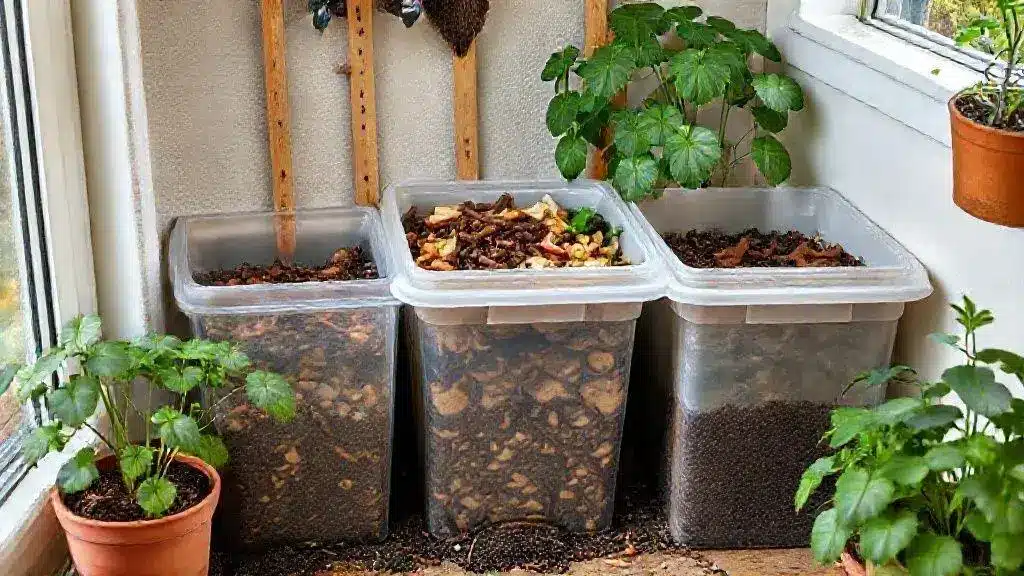
When it comes to composting in small spaces, creativity is key. You don’t need a giant backyard to recycle your kitchen scraps. Let’s explore some of the best composting methods that work perfectly for urban environments.
Worm Composting
Worm composting, or vermicomposting, is a fantastic option for small spaces. It involves using red wiggler worms to break down food waste. Not only is this method efficient, but it also requires minimal space. You can use a simple plastic bin under your kitchen sink. Just make sure to feed the worms the right scraps, like vegetable peels and coffee grounds.
Bokashi Composting
Another method is Bokashi composting, which uses a special blend of microorganisms to ferment your food waste. This can be done in a sealed container kept indoors. You’ll only need to add the waste and a Bokashi starter. After a few weeks, the mixture can be buried in a garden or added to traditional compost.
- Bokashi composting is odorless!
- It can handle dairy and meat, unlike other methods.
- You can use it in tight spaces easily.
While composting, it’s essential to maintain a good balance of greens (nitrogen-rich materials) and browns (carbon-rich materials). This balance promotes healthy decomposition and prevents odors.
Indoor Compost Bins
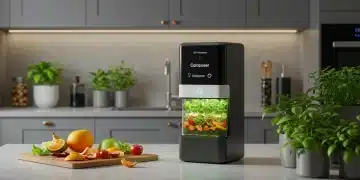
Using an indoor compost bin is ideal for those without outdoor space. There are many small compost bins available that suit any décor. These bins have airtight lids to prevent smells and pests. You can even find electric composters that speed up the process.
Take care of temperature and moisture levels to ensure your compost remains healthy. A well-maintained indoor compost bin will not only help reduce waste but also provide nutrient-rich compost for your plants.
With these methods, you can easily compost in small spaces. Embracing composting in urban settings benefits you and the planet!
Choosing the right plants for your urban garden
Choosing the right plants for your urban garden can make a significant difference in how successful your space becomes. Start by considering the climate in your area, as well as the amount of sunlight your garden receives. It’s essential to select plants that thrive in the conditions you can provide.
Best Plants for Small Spaces
When space is limited, opt for plants that don’t require much room to grow. Here are some great options:
- Herbs: Basil, parsley, and mint grow well in containers.
- Vegetables: Leafy greens like spinach and lettuce can be planted in shallow pots.
- Succulents: These drought-resistant plants are perfect for small urban gardens.
- Flowers: Marigolds and pansies add color without taking up much space.
Always check the growth habits of your chosen plants. Some may grow larger than expected. Planning their layout carefully will help prevent overcrowding. Take note of plant heights and spread when positioning them.
Choosing Container Size
The size of your container can also impact plant health. Larger pots retain moisture better, which is a plus in hot weather. Make sure your containers have proper drainage holes. This practice ensures that your plants don’t get waterlogged which can lead to root rot.
Consider vertical gardening to maximize your space. Planting climbing varieties like tomatoes or beans allows you to grow up instead of out. Trellises and wall planters can help create a lush, green atmosphere around your home.
To ensure your plants thrive, always pay attention to their unique needs. Regular watering, especially during dry spells, is crucial. Additionally, use organic fertilizers to provide essential nutrients.
With the right choice of plants and proper care, your urban garden can flourish, offering beauty and even fresh produce right outside your door.
Maximizing space in your urban garden
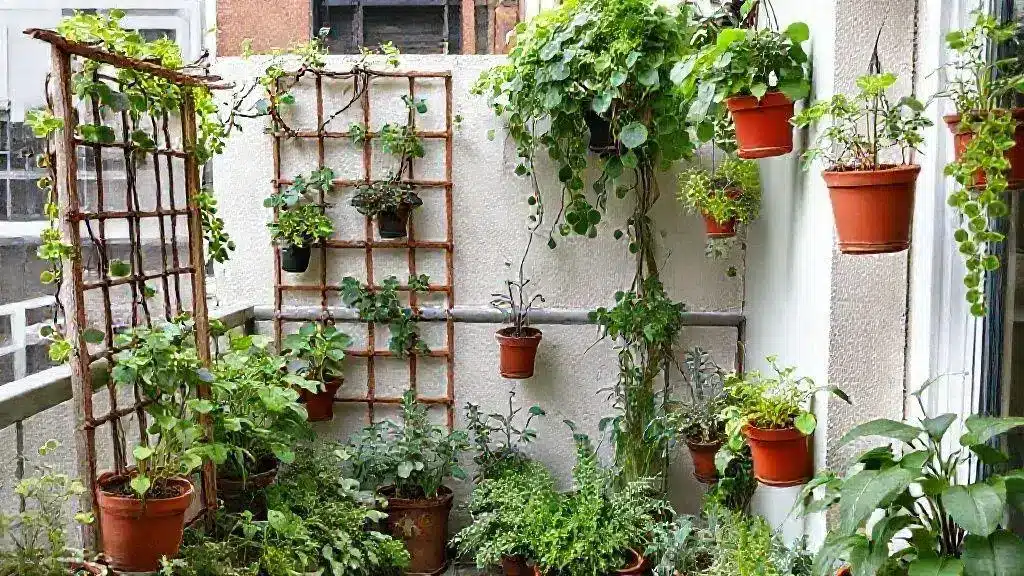
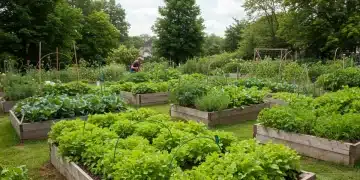
Maximizing space in your urban garden ensures you make the most of every square foot available. In tight spaces, using creative strategies can lead to a flourishing green area. Let’s dive into effective methods for optimizing your urban gardening space.
Vertical Gardening Techniques
One popular method is vertical gardening. This approach involves growing plants upwards instead of outwards, making it ideal for limited areas. You can use trellises, wall planters, or hanging pots. Climbing plants like cucumbers or peas thrive in vertical settings and add beauty to your garden.
Layering Your Planting
Layering is another great technique. Plant taller plants, such as tomatoes, in the back and smaller ones, like herbs, in front. This arrangement allows all plants to receive sunlight and encourages better air circulation.
- Use tiered plant stands: They create additional levels for pots.
- Incorporate shelves: Place small pots on shelves to save ground space.
- Implement hanging baskets: These can add color without taking up floor space.
Additionally, using multi-functional furniture can also enhance space usage. Consider benches that double as storage for your garden tools and supplies.
Container Gardening
Container gardening is another excellent way to maximize your garden space. Choose containers of various sizes and shapes to create an interesting layout while ensuring you use every bit of space. You can even stack containers to add height. Just remember to select pots with drainage holes.
Utilizing every available area, including windowsills, balconies, and fences, allows you to enrich your garden. You can also use the space underneath tables for additional pots.
With these space-maximizing strategies, your urban garden can thrive, providing fresh produce and a lovely green sanctuary right in the heart of the city.
In conclusion, maximizing your urban garden is both fun and rewarding. By using vertical gardening, choosing the right plants, and optimizing your space, you can create a beautiful green retreat in the city. Remember to have fun experimenting with different methods and enjoy the journey of watching your garden thrive!
FAQ – Frequently Asked Questions about Urban Gardening
What types of plants are best for small urban gardens?
Herbs, leafy greens, and compact vegetables are great choices for small urban gardens as they require less space and can thrive in containers.
How can I maximize space in my urban garden?
Use vertical gardening techniques, such as trellises and wall planters, and choose compact plants to make the most of your space.
Is it possible to compost in small spaces?
Yes, methods like worm composting and Bokashi composting are ideal for small spaces and can be done indoors.
How often should I water my urban garden?
Watering frequency depends on the plants and the weather, but a general rule is to check the soil moisture regularly and water when the top inch feels dry.