Composting for Savings: Cut Waste & Fertilizer Costs
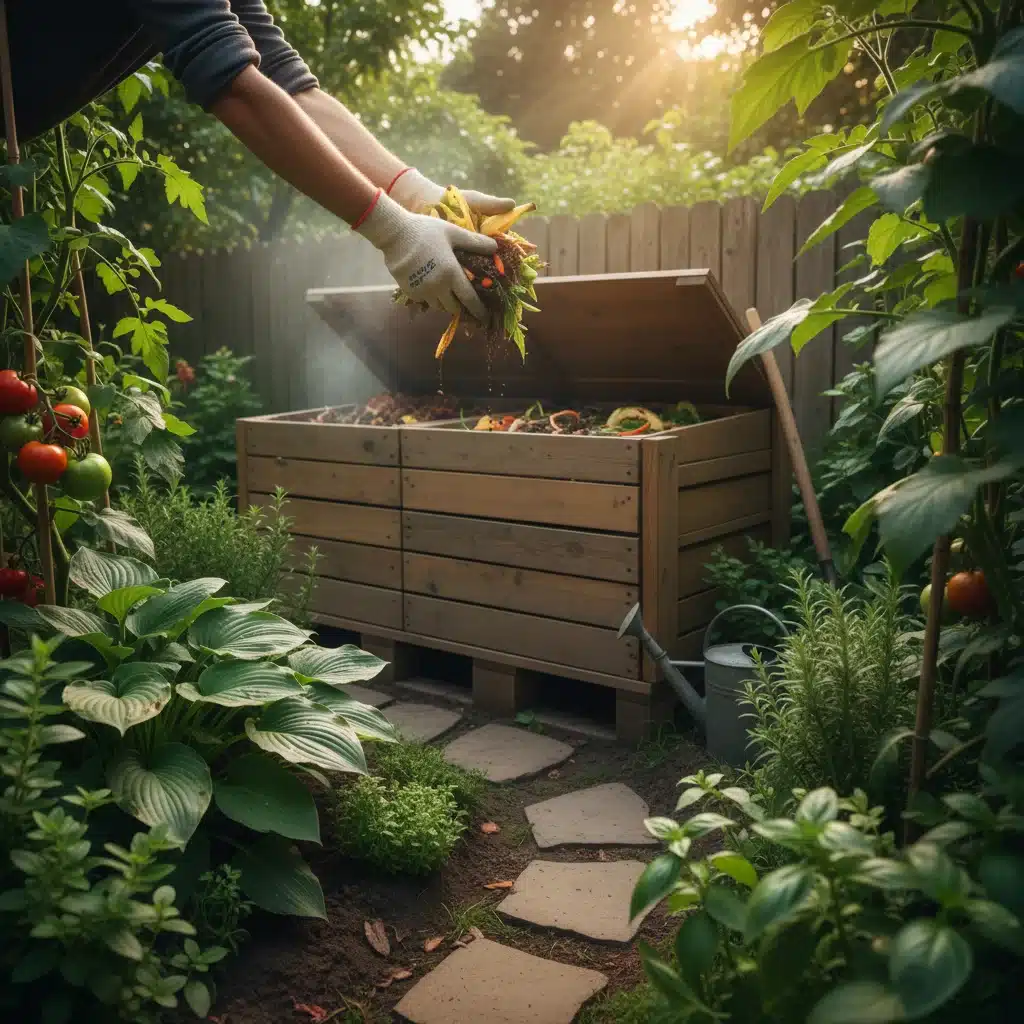
Anúncios
In an era where environmental consciousness is growing, and household budgets are constantly being scrutinized, finding ways to live more sustainably while simultaneously saving money has become a top priority for many. One such powerful, yet often underestimated, practice is composting. Beyond its undeniable environmental benefits, composting offers significant financial advantages that can genuinely impact your wallet. This comprehensive guide will delve into the profound financial impact of composting, revealing how this simple act can save you hundreds of dollars annually on waste disposal and fertilizer costs.
Imagine a world where your trash bill is lower, and your garden thrives without the constant need for expensive, chemical-laden fertilizers. This isn’t a pipe dream; it’s the reality for countless individuals and families who have embraced the art and science of composting. By converting organic waste into nutrient-rich soil amendment, you’re not just reducing landfill burden; you’re actively participating in a closed-loop system that cuts down on household expenses and fosters a healthier environment. Let’s explore how composting financial benefits can become a cornerstone of your sustainable and economical lifestyle.
The Hidden Costs of Waste Disposal: How Composting Reduces Your Bill
Most households generate a substantial amount of organic waste, including food scraps, yard trimmings, and other biodegradable materials. When these items are simply tossed into the regular trash, they contribute significantly to the overall volume and weight of your household waste. For many municipalities, waste collection services are priced based on volume or weight, meaning the more you throw away, the more you pay. This is where the composting financial benefits truly begin to shine.
Reducing Landfill Contributions and Associated Fees
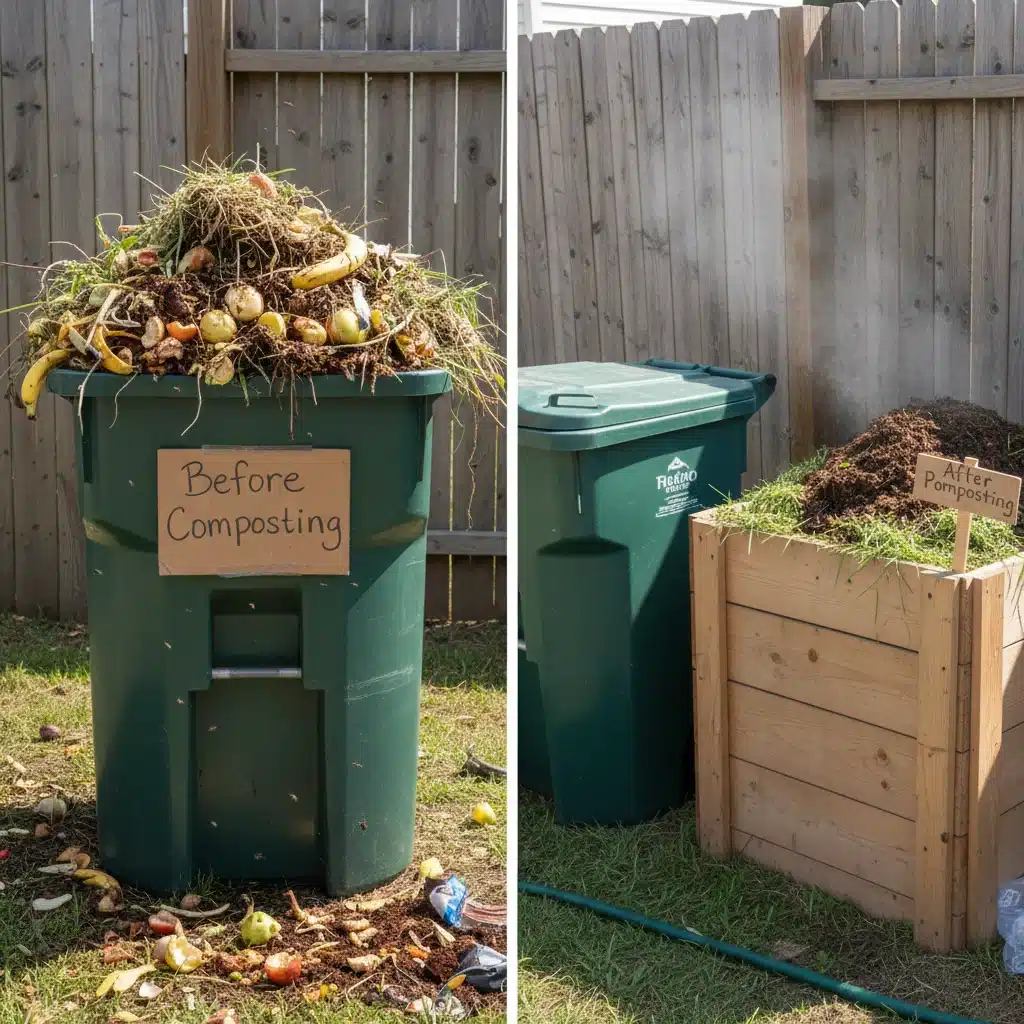
Food waste alone accounts for a staggering percentage of municipal solid waste. By diverting these organic materials to a compost bin, you can dramatically decrease the amount of trash you send to the landfill. This reduction can translate directly into lower waste collection fees. Some cities offer tiered pricing for trash services, where smaller bins or less frequent pickups result in lower monthly charges. Composting makes it easier to opt for these more economical plans.
- Smaller Trash Bins: If your municipality offers different sizes of trash bins, composting allows you to downgrade to a smaller, less expensive option.
- Less Frequent Pickups: For areas with per-pickup charges, reducing waste volume through composting means you might need fewer collections.
- Avoiding Overfill Charges: Many waste services charge extra for overflowing bins or additional bags of trash. Composting helps prevent these costly penalties.
Consider the average household’s waste stream. A significant portion is often composed of kitchen scraps (fruit and vegetable peels, coffee grounds, eggshells) and yard waste (grass clippings, leaves). These are precisely the items that are perfect for composting. By removing them from your general waste, you’re not just making a small dent; you’re potentially eliminating a large percentage of your trash, leading to tangible savings on your waste bill. The cumulative effect of this over a year can be substantial, contributing directly to the composting financial benefits you stand to gain.
The Environmental and Economic Link
Beyond direct financial savings, there’s an indirect economic benefit linked to reduced landfill use. Landfills are expensive to operate and maintain, and they contribute to environmental problems like methane emissions, a potent greenhouse gas. By reducing the volume of waste sent to landfills, you’re indirectly supporting a more sustainable waste management system, which can, in the long run, lead to more stable or even lower taxes and fees related to waste infrastructure. This broader perspective underscores the comprehensive nature of the financial impact of composting.
Free Fertilizer: The Ultimate Garden Hack and Cost Saver
One of the most compelling composting financial benefits comes from its ability to produce a high-quality, organic soil amendment completely free of charge. Commercial fertilizers, especially organic varieties, can be incredibly expensive. Gardeners, whether they’re tending to a small herb patch or a sprawling vegetable garden, often spend a significant portion of their budget on soil amendments and plant nutrients. Composting eliminates this expense entirely.
Understanding the Value of Homemade Compost
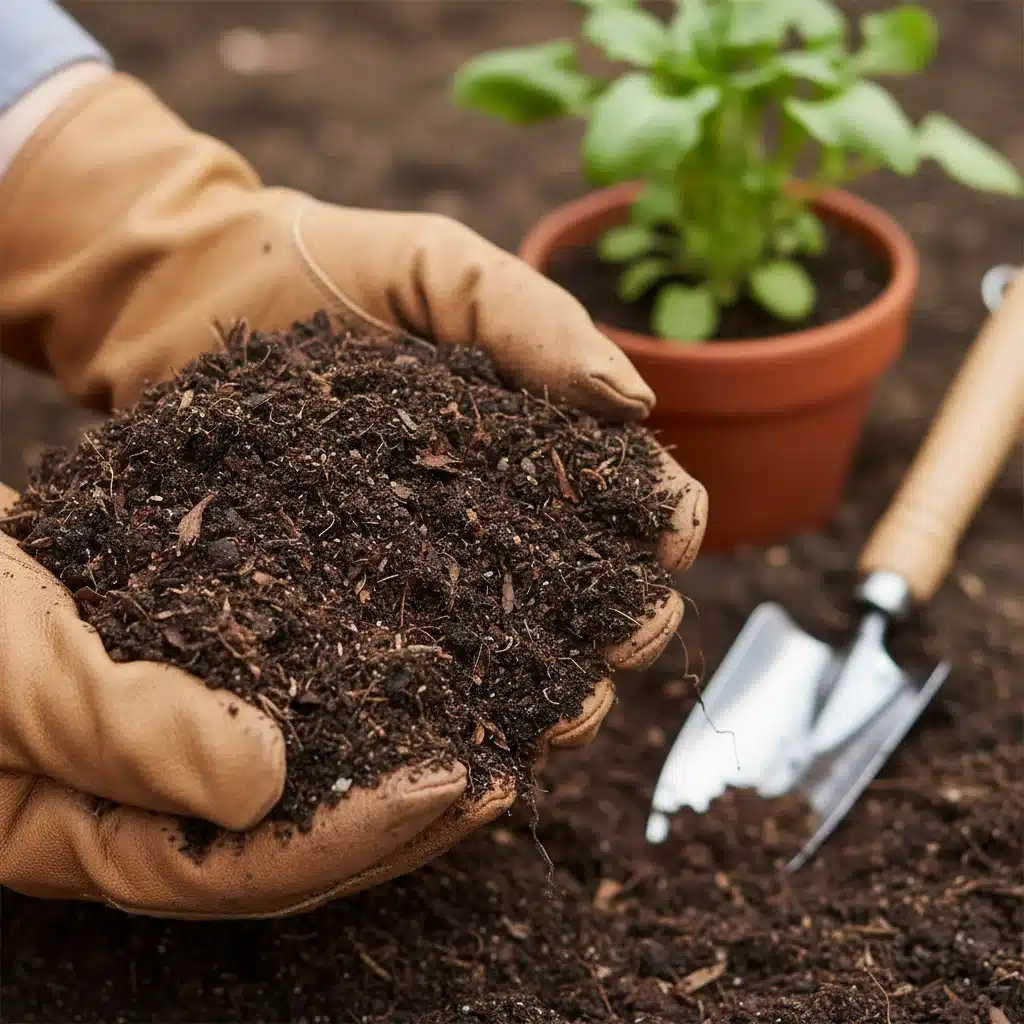
Compost is often referred to as ‘black gold’ by gardeners, and for good reason. It’s a rich, dark, crumbly material packed with beneficial microorganisms and essential plant nutrients. Unlike synthetic fertilizers that provide a quick burst of specific nutrients, compost improves soil structure, enhances water retention, and slowly releases a balanced array of nutrients over time. This leads to healthier, more resilient plants that are less susceptible to pests and diseases, potentially reducing the need for pesticides and other treatments – another layer of savings.
- Nutrient-Rich Soil Amendment: Provides a balanced supply of nitrogen, phosphorus, potassium, and micronutrients.
- Improved Soil Structure: Loosens heavy clay soils and adds body to sandy soils, promoting better root growth.
- Enhanced Water Retention: Reduces the need for frequent watering, saving on water bills.
- Suppresses Plant Diseases: Healthy soil and plants are naturally more resistant to pathogens.
Imagine the cost of purchasing bags of topsoil, potting mix, and various fertilizers for your garden each season. These costs can quickly add up, easily reaching hundreds of dollars for even a modestly sized garden. With a consistent composting routine, you’ll have a perpetual supply of this invaluable resource right in your backyard. This direct replacement of purchased goods with a homemade alternative is a cornerstone of the financial impact of composting.
Calculating Your Fertilizer Savings
Let’s put some numbers to this. A 20-pound bag of organic all-purpose fertilizer can cost anywhere from $20 to $40, and most gardens require multiple applications or different types of fertilizers throughout the growing season. If you have a substantial garden, you might easily spend $100-$200 or more annually on fertilizers alone. By producing your own compost, you effectively bring this expense down to zero. This is a clear, quantifiable saving that directly contributes to the significant composting financial benefits.
Beyond the Basics: Additional Financial Perks of Composting
The composting financial benefits extend beyond just waste reduction and free fertilizer. There are several other subtle, yet impactful, ways composting can save you money and even potentially generate income.
Reducing Water Consumption
As mentioned, compost significantly improves soil’s water retention capabilities. This means your plants will need less frequent watering, especially during dry spells. For homeowners with lawns and gardens, water bills can be a considerable expense, particularly in regions prone to drought or with high water rates. By incorporating compost into your soil, you’re essentially creating a sponge that holds moisture, leading to reduced water usage and lower utility bills. This often overlooked benefit further enhances the overall financial impact of composting.
Healthier Plants, Fewer Replacements
Plants grown in compost-enriched soil are generally healthier and more vigorous. They develop stronger root systems and are better equipped to resist pests and diseases. This translates to fewer plant losses and less need to replace sickly specimens. If you’re buying new plants or seedlings each year, the cost of replacements can add up. Composting fosters a robust garden ecosystem, reducing these incidental expenses.
Reduced Need for Mulch
While compost and mulch serve different primary purposes, compost can act as a natural mulch layer, especially around established plants. A thick layer of compost helps suppress weeds, regulate soil temperature, and retain moisture, similar to how traditional mulch works. This can reduce your reliance on purchasing bags of bark mulch or other mulching materials, offering another small but consistent saving.
Potential for Income Generation
For individuals with larger composting operations, or those who produce an abundance of high-quality compost, there’s even the potential to sell excess compost to neighbors, local gardeners, or community garden projects. While this might not be the primary motivation for most home composters, it illustrates the intrinsic value of the product you’re creating and adds another dimension to the composting financial benefits.
Getting Started with Composting: A Path to Financial Freedom
The idea of saving up to $300 annually (or more!) through composting might sound appealing, but how do you actually get started? The good news is that composting is a relatively simple process that doesn’t require extensive training or expensive equipment. The initial investment is minimal, and the returns are considerable, making it a sound financial decision.
Choosing Your Composting Method
There are several popular composting methods, each with its own advantages:
- Backyard Composting (Pile or Bin): This is the most common method for homeowners. You can create a simple pile or purchase a dedicated compost bin. It handles a wide range of organic materials.
- Vermicomposting (Worm Composting): Ideal for smaller spaces or apartments, vermicomposting uses special composting worms to break down food scraps. It’s fast and produces excellent worm castings.
- Bokashi Composting: An anaerobic fermentation process that can break down a wider range of food waste, including meat and dairy, before burying or adding to a traditional compost pile.
For most households looking to maximize composting financial benefits, a backyard compost bin or pile is the most straightforward and effective approach.
What Can You Compost?
The key to successful composting, and thus maximizing your savings, is understanding what materials to include. Generally, you want a good balance of ‘greens’ (nitrogen-rich) and ‘browns’ (carbon-rich).
Greens:
- Fruit and vegetable scraps
- Coffee grounds and filters
- Tea bags
- Grass clippings
- Green plant trimmings
Browns:
- Dry leaves
- Shredded newspaper and cardboard (non-glossy)
- Wood chips and sawdust (untreated)
- Straw and hay
- Small twigs
What to Avoid: Meat, dairy products, oily foods, pet waste, and diseased plants should typically be avoided in home compost piles as they can attract pests, create foul odors, and introduce pathogens. Avoiding these items also helps ensure your compost remains safe and effective for your garden, protecting your investment in the financial impact of composting.
Maintaining Your Compost
Successful composting requires a little attention, but it’s not arduous. Key elements include:
- Moisture: Your compost should be consistently moist, like a wrung-out sponge.
- Aeration: Turn your compost pile regularly (weekly or bi-weekly) to introduce oxygen, which speeds up decomposition.
- Balance: Maintain a good ratio of greens to browns.
With proper care, you can expect to have usable compost in a few months to a year, depending on the method and materials used. The anticipation of this ‘black gold’ makes the small effort entirely worthwhile, especially when you consider the long-term composting financial benefits.
Calculating Your Potential Savings: A Conservative Estimate
Let’s break down how you can realistically save up to $300 annually, or even more, by embracing composting. These figures are conservative and can vary based on location, household size, and gardening habits.
1. Waste Disposal Savings:
- Average Household Waste Reduction: Studies show that organic waste can make up 30-50% of household trash. By composting, you significantly reduce the volume.
- Typical Waste Bill Savings: If your trash bill is $30/month (a conservative estimate for many areas), reducing the volume could lead to a 10-20% reduction, or even more if you can downsize your bin or reduce pickup frequency. Let’s estimate a modest $5-$10/month saving.
- Annual Waste Savings: $60 – $120 per year.
2. Fertilizer and Soil Amendment Savings:
- Average Garden Fertilizer Costs: For a moderate-sized garden, gardeners easily spend $50 – $150 annually on various synthetic and organic fertilizers, potting mixes, and soil conditioners.
- Annual Fertilizer Savings: $50 – $150 per year.
3. Water Bill Savings (Indirect):
- Reduced Watering Needs: While harder to quantify precisely, improved soil water retention can lead to a 5-15% reduction in garden watering needs.
- Annual Water Savings: Estimate $20 – $50 per year, depending on climate and garden size.
Total Estimated Annual Savings:
- Low End: $60 (waste) + $50 (fertilizer) + $20 (water) = $130
- High End: $120 (waste) + $150 (fertilizer) + $50 (water) = $320
As you can see, reaching and even exceeding the $300 mark is entirely feasible, especially for enthusiastic gardeners or larger households. These figures underscore the powerful composting financial benefits and make a strong case for integrating composting into your daily routine. The initial small investment in a compost bin, if you choose to buy one, will quickly pay for itself, solidifying the positive financial impact of composting.
Overcoming Common Composting Myths and Concerns
Despite the clear composting financial benefits, some individuals hesitate due to misconceptions. Let’s address a few common concerns:
Myth 1: Composting is smelly.
Reality: A well-maintained compost pile, with a good balance of greens and browns and proper aeration, should not smell. Foul odors usually indicate too much nitrogen (greens), too much moisture, or insufficient aeration. A quick adjustment can resolve the issue.
Myth 2: Composting attracts pests.
Reality: If you avoid adding meat, dairy, and oily foods, and keep your compost covered, it’s unlikely to attract significant pests. The active decomposition process also generates heat, which deters many critters.
Myth 3: Composting is too much work.
Reality: While it requires some attention, modern compost bins and methods have made it incredibly easy. Turning a pile can be done in minutes, and many bins require minimal effort. The time investment is minimal compared to the significant financial impact of composting.
Myth 4: You need a large yard for composting.
Reality: Not at all! Vermicomposting is perfect for apartments, and small tumblers or bins can fit into compact urban spaces. Even a small amount of composting contributes to savings and environmental good.
Conclusion: Embrace Composting for a Richer Future
The evidence is clear: composting is far more than just an eco-friendly practice; it’s a savvy financial strategy for any household. By consciously diverting organic waste from landfills, you directly reduce your waste disposal expenses. By transforming kitchen and yard scraps into nutrient-rich compost, you eliminate the need for costly commercial fertilizers, enhancing your garden’s health for free. Add in the indirect savings on water bills and plant replacements, and the composting financial benefits become undeniably compelling.
Making the switch to composting is an investment – not of money, but of a little time and effort – that yields significant, tangible returns. It’s a simple, sustainable habit that pays you back, year after year, potentially saving you hundreds of dollars. So, if you’re looking for an impactful way to trim your budget, reduce your environmental footprint, and cultivate a thriving garden, it’s time to embrace the powerful financial impact of composting. Start your composting journey today and watch your savings grow, just like your plants.