In an increasingly urbanized world, where apartment living is becoming the norm for millions, the concept of sustainability often feels like a luxury reserved for those with sprawling homes and vast gardens. However, this couldn’t be further from the truth. Apartment sustainability solutions are not just possible; they are essential for creating a healthier planet and more mindful communities. By 2026, the imperative to integrate eco-friendly practices into every aspect of our lives, including our small living spaces, will be more critical than ever. This comprehensive guide will explore six innovative strategies to transform your apartment into a beacon of green living, proving that even the coziest of dwellings can make a significant environmental impact.
The journey towards a sustainable lifestyle in an apartment begins with a shift in mindset. It’s about recognizing that every small action, from recycling properly to conserving water, contributes to a larger global effort. As we look towards 2026, technological advancements and a growing awareness of climate change are making it easier and more accessible for apartment dwellers to embrace sustainability. From smart home technology that optimizes energy usage to creative solutions for urban gardening, the possibilities are vast and exciting. This article aims to provide actionable insights and inspire you to adopt these practices, making your apartment not just a home, but a part of the solution.
The urban landscape presents unique challenges for sustainability. Limited space, shared resources, and often, a lack of direct control over building infrastructure can make green initiatives seem daunting. However, these challenges also foster innovation, leading to ingenious apartment sustainability solutions tailored for compact living. Our focus will be on practical, effective, and often budget-friendly methods that can be implemented by anyone, regardless of their apartment size or rental agreement. Let’s delve into these transformative strategies and pave the way for a greener, more sustainable future, one apartment at a time.
1. Smart Energy Management: The Digital Path to Apartment Sustainability
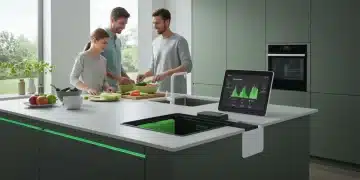
One of the most impactful ways to enhance apartment sustainability solutions is through intelligent energy management. In a small space, every watt counts, and inefficient energy consumption can quickly add up, both in terms of environmental impact and utility bills. By 2026, smart home technology will be even more integrated and intuitive, offering unparalleled control over your energy footprint.
Embracing Smart Thermostats and Lighting
Smart thermostats, like Google Nest or Ecobee, learn your routines and adjust heating and cooling accordingly, significantly reducing energy waste. They can be controlled remotely via your smartphone, allowing you to optimize temperatures even when you’re away. Imagine returning to a perfectly comfortable apartment without having wasted energy all day. Similarly, smart lighting systems, such as Philips Hue or LIFX, allow you to control brightness, color, and scheduling from your phone or voice assistant. Using LED bulbs exclusively, which consume up to 90% less energy than incandescent bulbs and last much longer, is a foundational step. Integrating these with motion sensors ensures lights are only on when a room is occupied, further conserving energy.
Energy-Efficient Appliances: A Long-Term Investment
When purchasing new appliances, always look for ENERGY STAR certified models. These appliances are designed to be highly energy-efficient, using less electricity and water without sacrificing performance. For apartment dwellers, this is particularly important for refrigerators, dishwashers, and washing machines. While the initial investment might be slightly higher, the long-term savings on utility bills and the reduced environmental impact make them a worthwhile choice for apartment sustainability solutions.
Unplugging & Phantom Loads: The Silent Energy Drain
Even when turned off, many electronics continue to draw a small amount of power, known as ‘phantom load’ or ‘vampire drain.’ This can account for a surprising percentage of your monthly electricity consumption. Simple solutions include unplugging devices when not in use or using smart power strips that cut power to idle electronics. By 2026, awareness of phantom loads will be even more prevalent, and smart plugs that can be controlled via an app will make it easier than ever to manage these hidden energy drains.
Monitoring Your Consumption
Knowledge is power, especially when it comes to energy. Investing in a home energy monitor can provide real-time data on your electricity usage, helping you identify energy-hungry appliances and habits. Many smart home systems now include energy monitoring features, allowing you to track your consumption patterns and make informed decisions to reduce your footprint. This proactive approach is a cornerstone of effective apartment sustainability solutions.
2. Vertical and Container Gardening: Bringing Nature Indoors
Limited outdoor space is a common challenge for apartment dwellers, but it doesn’t mean you have to forgo the joys and benefits of gardening. Vertical and container gardening offer ingenious apartment sustainability solutions, allowing you to grow fresh produce, enhance air quality, and connect with nature right inside your home.
The Rise of Vertical Gardens
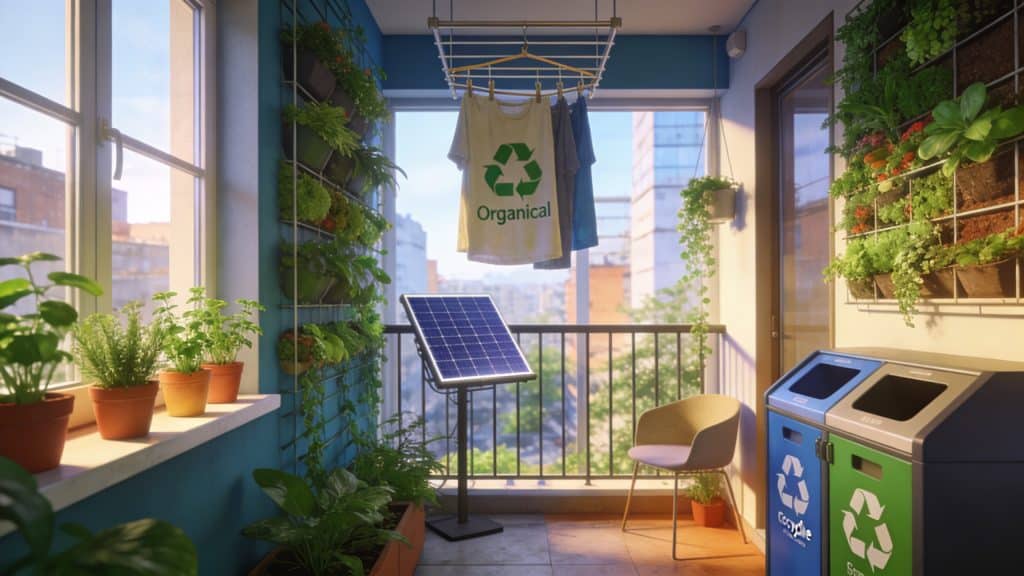
Vertical gardens are perfect for small spaces, utilizing wall space rather than floor space. These can range from simple hanging planters and tiered shelving units to sophisticated hydroponic or aeroponic systems. By 2026, vertical gardening technology will be even more advanced, with self-watering systems, integrated grow lights, and app-controlled nutrient delivery making it easier than ever to cultivate a thriving indoor garden. You can grow herbs, leafy greens, small vegetables like cherry tomatoes, and even some fruits, providing fresh, organic produce and reducing your reliance on grocery stores.
Benefits Beyond Food Production
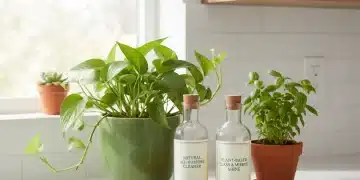
Beyond providing fresh food, indoor plants and vertical gardens significantly improve indoor air quality by absorbing toxins and releasing oxygen. They also contribute to a more pleasant living environment, reducing stress and enhancing overall well-being. For apartment dwellers, this biophilic design element is crucial for creating a calming and healthy sanctuary amidst the urban bustle. Consider plants known for their air-purifying qualities, such as snake plants, spider plants, and peace lilies, to maximize these benefits.
Container Gardening for Every Corner
Container gardening offers flexibility, allowing you to utilize windowsills, balconies (if available), and even small corners of your apartment. Choose appropriate pot sizes for your plants and ensure they receive adequate sunlight. Self-watering planters can be a game-changer for busy individuals, ensuring your plants stay hydrated. For those with a sunny balcony, consider growing larger vegetables or even small fruit trees in containers. This not only contributes to your food supply but also adds a touch of green to your urban environment, fostering a sense of connection with nature.
3. Waste Reduction and Recycling: Minimizing Your Footprint
Effective waste management is a cornerstone of apartment sustainability solutions. While many cities offer recycling programs, apartment living can sometimes present unique challenges, such as limited storage for sorted waste. However, with a bit of planning and the right tools, you can significantly reduce your environmental footprint.
Mastering the Art of Recycling
First, understand your building’s and city’s recycling guidelines. What materials are accepted? Are there specific sorting requirements? Invest in clearly labeled recycling bins for paper, plastic, glass, and metal. For smaller apartments, stackable bins or slim, pull-out bins can save valuable space. Make it a habit to rinse containers and flatten cardboard to optimize space and ensure your recyclables are processed correctly. By 2026, many municipalities are expected to expand their recycling programs, making it even easier to dispose of various materials responsibly.
Composting in Small Spaces
Food waste is a major contributor to landfill emissions. Composting, even in an apartment, is a powerful apartment sustainability solution. Indoor composting options include worm bins (vermicomposting), which use red wiggler worms to break down food scraps into nutrient-rich compost, or compact electric composters that rapidly process food waste into fertilizer. These systems are typically odor-free and can be discreetly tucked away. The resulting compost can be used for your indoor plants or shared with community gardens, closing the loop on your organic waste.
Reducing Single-Use Items
The easiest waste to manage is the waste you don’t create. Focus on reducing your consumption of single-use items. Carry reusable water bottles, coffee cups, and shopping bags. Opt for products with minimal packaging or buy in bulk when possible. Consider alternatives to disposable items, such as cloth napkins instead of paper towels, or reusable food storage containers instead of plastic wrap. These small changes, adopted consistently, collectively make a huge difference in your waste output.
4. Water Conservation: Every Drop Counts in Apartment Living
Water is a precious resource, and conserving it in an apartment setting is a vital component of apartment sustainability solutions. From daily habits to simple fixture upgrades, there are numerous ways to reduce your water consumption without sacrificing comfort.
Fix Leaks and Upgrade Fixtures
A dripping faucet can waste thousands of gallons of water per year. Regularly check for leaks in faucets, toilets, and showerheads, and report them to your landlord immediately if you’re renting. If possible, consider installing low-flow showerheads and faucet aerators. These inexpensive devices significantly reduce water usage while maintaining adequate water pressure. Dual-flush toilets, if your landlord is open to upgrades, are another excellent way to conserve water, offering different flush volumes for liquid and solid waste.
Mindful Water Usage Habits
Simple behavioral changes can have a profound impact. Turn off the tap while brushing your teeth, shaving, or scrubbing dishes. Take shorter showers. Collect the cold water that runs before your shower heats up and use it to water plants or rinse vegetables. When washing dishes by hand, fill a basin with soapy water and another with rinse water instead of letting the tap run continuously. For laundry, always wash full loads to maximize efficiency, and consider using cold water washing cycles, which also save energy.
Greywater Systems (Where Applicable)
While more complex for apartment living, some innovative buildings and individual setups are beginning to explore small-scale greywater recycling systems. These systems capture water from sinks and showers (greywater) and reuse it for non-potable purposes, such as flushing toilets or watering plants. While this might be a future consideration for many apartment dwellers, by 2026, more modular and apartment-friendly greywater solutions may become available, further enhancing apartment sustainability solutions.
5. Sustainable Decor and Furniture: Furnishing with a Conscience
Your choices in furniture and decor extend beyond aesthetics; they play a significant role in your apartment’s overall sustainability. Opting for eco-friendly materials, supporting ethical production, and embracing minimalism are key apartment sustainability solutions for furnishing your small space.
Embrace Secondhand and Upcycled Items
The most sustainable furniture is often that which already exists. Explore thrift stores, consignment shops, online marketplaces, and even sidewalk finds for unique, pre-loved pieces. Not only does this reduce demand for new production and divert items from landfills, but it also allows you to create a home with character and history. Upcycling, the process of transforming old or discarded items into something new and useful, is another fantastic way to practice sustainability. A fresh coat of paint or new hardware can give an old dresser a new lease on life.
Choose Sustainable Materials
When buying new, prioritize furniture and decor made from sustainable and responsibly sourced materials. Look for certifications like FSC (Forest Stewardship Council) for wood products, ensuring they come from sustainably managed forests. Bamboo, reclaimed wood, recycled metal, and natural fibers like organic cotton, hemp, and jute are excellent choices. Avoid products made with excessive plastics, harmful chemicals, or unsustainable timber. By 2026, the market for sustainable furnishings is expected to expand significantly, offering more choices for eco-conscious consumers.
Durability and Longevity
Invest in high-quality items that are built to last. Fast furniture, much like fast fashion, contributes to excessive waste. While it might be tempting to opt for cheaper, trendy pieces, choosing durable furniture means you won’t have to replace it as often, reducing your consumption and environmental impact. Think about the lifecycle of an item before you buy it.
Minimalism and Multi-Functional Furniture
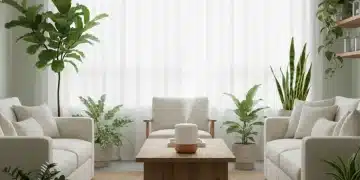
In a small apartment, less is often more. Embrace a minimalist approach to decor, focusing on quality over quantity. Multi-functional furniture, such as a sofa bed, an ottoman with storage, or a dining table that folds down, helps maximize space and reduces the need for multiple items, further enhancing apartment sustainability solutions. A decluttered space not only feels more serene but also minimizes environmental impact.
6. Community Engagement and Advocacy: Expanding Your Impact
While individual actions are crucial, true apartment sustainability solutions extend beyond your four walls. Engaging with your community and advocating for greener practices can amplify your impact and foster a more sustainable urban environment by 2026.
Participate in Building-Wide Initiatives
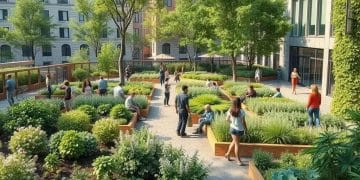
Many apartment buildings or complexes have resident associations or management teams that are open to sustainability initiatives. Propose ideas like adding more recycling bins, starting a communal composting program, installing energy-efficient common area lighting, or even establishing a shared rooftop garden. Organizing a green committee within your building can be an effective way to drive these changes and educate your neighbors.
Support Local and Sustainable Businesses
Shift your purchasing power towards local businesses that prioritize sustainability. This could mean buying produce from a local farmers’ market, supporting shops that sell ethical and eco-friendly products, or choosing services that have green certifications. Local sourcing reduces transportation emissions and supports your community’s economy, contributing to broader apartment sustainability solutions.
Advocate for Policy Changes
Beyond your immediate apartment and building, consider advocating for larger policy changes at the city or regional level. Support initiatives that promote renewable energy, better public transportation, stricter building codes for energy efficiency, and expanded recycling programs. Joining local environmental groups or contacting your elected officials can give your voice greater reach and influence. By 2026, collective action will be paramount in addressing environmental challenges.
Share Your Knowledge and Inspire Others
Be an example of sustainable living. Share your tips and experiences with friends, family, and neighbors. Host a swap meet for clothes or household items. Organize a clean-up day for a local park. The more people who adopt sustainable practices, the greater our collective impact will be. Education and inspiration are powerful tools in fostering a culture of apartment sustainability solutions.
The Future of Sustainable Apartment Living by 2026
As we approach 2026, the integration of apartment sustainability solutions will no longer be a niche trend but a fundamental expectation for urban living. Technological advancements will continue to make eco-friendly practices more accessible and efficient. Imagine apartments with integrated solar panels, advanced greywater recycling systems, and community-shared electric vehicle charging stations as standard features. The focus will shift from individual effort to systemic change, supported by smart infrastructure and informed policies.
The impact of these combined efforts is immense. Reduced carbon emissions, cleaner air and water, less waste sent to landfills, and more resilient urban communities are just some of the benefits. Furthermore, sustainable living often leads to cost savings in the long run, proving that being green can also be financially smart. Developers and landlords are increasingly recognizing the value of sustainable features, as they attract environmentally conscious tenants and contribute to a building’s overall market value.
By actively implementing these six innovative strategies, apartment dwellers are not just making their homes more eco-friendly; they are contributing to a global movement towards a more sustainable future. Every decision, no matter how small, adds up to a significant collective impact. Let 2026 be the year your apartment truly embodies the principles of green living, setting a powerful example for others and fostering a healthier planet for generations to come.
The journey towards full apartment sustainability is ongoing, but with the tools and knowledge available today, and the innovations expected by 2026, there’s never been a better time to start. Embrace the challenge, enjoy the benefits, and be a part of the solution. Your small space can indeed make a big difference.