U.S. Renewable Energy Adoption: 2026 Market Trends & Policy Insights

Anúncios
Forecasting U.S. Renewable Energy Adoption Rates: Insights from 2026 Market Trends and Policy Incentives
The landscape of energy production in the United States is undergoing a profound transformation, driven by an increasing awareness of climate change, technological advancements, and evolving economic imperatives. As we look towards 2026, the trajectory of US renewable energy adoption promises to be steeper and more impactful than ever before. This comprehensive analysis delves into the critical factors that will shape the nation’s clean energy future, exploring market trends, policy frameworks, and the innovative technologies propelling this shift.
Understanding the dynamics of US renewable energy adoption requires a multifaceted approach, considering everything from federal and state-level policies to consumer behavior and global supply chain intricacies. The year 2026 stands as a crucial waypoint, offering a vantage point to assess the efficacy of current strategies and anticipate future challenges and opportunities. Our exploration will provide valuable insights for investors, policymakers, industry stakeholders, and environmentally conscious citizens alike.
The Current State of US Renewable Energy: A Foundation for Growth
Before projecting into 2026, it’s essential to understand the current foundation of US renewable energy. Over the past decade, the United States has witnessed remarkable growth in renewable electricity generation, primarily from solar and wind power. This growth has been fueled by declining technology costs, supportive government policies, and increasing corporate and consumer demand for cleaner energy sources. As of recent reports, renewables now constitute a significant portion of the nation’s electricity mix, with projections indicating continued expansion.
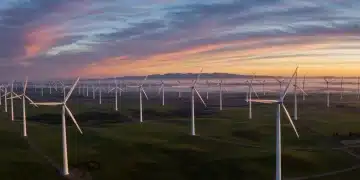
Solar photovoltaic (PV) installations have broken records year after year, driven by both utility-scale projects and distributed rooftop solar. Wind energy, particularly in the central states, has also seen substantial development, leveraging vast open spaces and favorable wind resources. Hydropower, while a mature technology, continues to play a vital role, especially in regions with abundant water resources. Geothermal and biomass also contribute, albeit on a smaller scale, to the overall US renewable energy portfolio.
This established momentum provides a strong springboard for accelerated adoption rates in the coming years. The infrastructure is maturing, supply chains are becoming more robust, and public acceptance is at an all-time high. These foundational elements are critical to understanding the optimistic outlook for 2026 and beyond.
Key Market Trends Shaping US Renewable Energy Adoption by 2026
Several pivotal market trends are expected to significantly influence the rate of US renewable energy adoption leading up to and through 2026. These trends reflect a confluence of economic, technological, and societal forces.
1. Continued Cost Reductions and Enhanced Competitiveness
The dramatic decrease in the levelized cost of electricity (LCOE) for solar and wind power has been a primary driver of their success. This trend is projected to continue, making renewables increasingly competitive with, and often cheaper than, traditional fossil fuel-based generation. Innovations in manufacturing, economies of scale, and advancements in efficiency will further drive down costs, making US renewable energy an even more attractive investment.
2. Energy Storage Integration and Grid Modernization
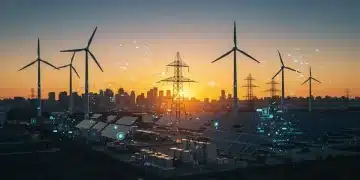
The intermittency of solar and wind power has historically been a challenge. However, rapid advancements in battery storage technology are transforming this dynamic. By 2026, we anticipate widespread integration of utility-scale battery storage solutions, enhancing grid stability and reliability. This will allow for greater penetration of renewables into the grid, ensuring a consistent power supply. Furthermore, significant investments in grid modernization, including smart grid technologies and advanced transmission infrastructure, will be crucial for accommodating higher volumes of US renewable energy.
3. Corporate and Industrial Demand for Clean Energy
A growing number of corporations are committing to 100% renewable energy targets, driven by sustainability goals, consumer pressure, and the economic benefits of clean power. This corporate procurement, often through power purchase agreements (PPAs), will continue to be a major market driver. Industrial sectors are also exploring electrification and renewable energy solutions to decarbonize their operations, creating new demand segments for US renewable energy.
4. Emergence of Green Hydrogen and Other Advanced Technologies
While still in nascent stages, green hydrogen production, powered by renewable electricity, is poised for significant growth by 2026. This technology has the potential to decarbonize hard-to-abate sectors like heavy industry and long-haul transportation. Other advanced renewable technologies, such as enhanced geothermal systems and advanced biofuels, will also see increased research, development, and initial deployment, broadening the scope of US renewable energy applications.
5. Distributed Energy Resources (DERs) and Microgrids
The proliferation of rooftop solar, community solar projects, and behind-the-meter battery storage systems (DERs) will empower consumers and enhance grid resilience. Microgrids, capable of operating independently from the main grid, will become more common in critical infrastructure and remote communities, offering enhanced energy security and reliability, all powered by local US renewable energy sources.
Policy Incentives and Regulatory Frameworks Driving US Renewable Energy in 2026
Government policies and regulatory frameworks are indispensable catalysts for accelerating US renewable energy adoption. The period leading up to 2026 will see the continued influence of existing policies and the potential introduction of new ones.
1. The Inflation Reduction Act (IRA) and its Enduring Impact
The Inflation Reduction Act (IRA) of 2022 represents the most significant climate legislation in U.S. history. Its long-term tax credits for renewable energy projects, manufacturing incentives, and provisions for energy storage are designed to dramatically scale up US renewable energy deployment. By 2026, the full effects of these incentives will be clearly visible, driving substantial investment and job creation in the clean energy sector. The IRA provides certainty for developers and investors, fostering a stable environment for long-term planning and execution.
2. State-Level Renewable Portfolio Standards (RPS) and Clean Energy Goals
Many states have aggressive Renewable Portfolio Standards (RPS) or clean energy mandates that require utilities to procure a certain percentage of their electricity from renewable sources by specific deadlines. These state-level policies complement federal initiatives and often drive innovation and investment within regional markets. By 2026, several states will be nearing critical milestones in their RPS targets, necessitating increased deployment of US renewable energy.
3. Permitting Reform and Siting Challenges
While policy incentives are crucial, streamlining the permitting process for large-scale renewable energy projects remains a significant challenge. Delays in federal and state permitting can hinder project development. By 2026, there will likely be increased focus on legislative and administrative reforms aimed at accelerating project approvals while still ensuring environmental protection and community engagement. Addressing siting challenges, particularly for transmission lines, will also be paramount for effective integration of new US renewable energy capacity.
4. Investment in Transmission Infrastructure
The existing electricity grid was not designed for the large-scale integration of distributed renewable energy sources. Significant investment in upgrading and expanding transmission infrastructure is critical. Federal funding and policy support for interregional transmission projects will facilitate the delivery of abundant wind and solar power from resource-rich areas to demand centers, maximizing the benefits of US renewable energy.
5. Research and Development Funding
Continued federal funding for research and development (R&D) into next-generation renewable technologies, energy storage, and grid modernization will ensure a pipeline of innovative solutions. This R&D support is vital for maintaining the competitiveness of US renewable energy on a global scale and addressing future energy challenges.
Challenges and Opportunities for US Renewable Energy Adoption
Despite the optimistic outlook, the path to widespread US renewable energy adoption is not without its hurdles. However, each challenge often presents an opportunity for innovation and strategic development.
Challenges:
- Grid Modernization Costs: The extensive upgrades required for the national grid are capital-intensive and complex, involving coordination across multiple jurisdictions.
- Supply Chain Vulnerabilities: Dependence on foreign sources for critical minerals and components for batteries and solar panels poses geopolitical and economic risks.
- Intermittency and Storage: While storage technology is advancing, scaling it to meet peak demand reliably across diverse geographical regions remains a significant engineering and economic challenge.
- Public Acceptance and Siting: "Not In My Backyard" (NIMBY) sentiments can delay or halt renewable energy projects, particularly large-scale wind and solar farms, requiring effective community engagement strategies.
- Workforce Development: A rapidly expanding renewable energy sector requires a skilled workforce, necessitating significant investment in education and training programs.
Opportunities:
- Economic Growth and Job Creation: The expansion of US renewable energy creates new manufacturing jobs, installation roles, and positions in R&D and maintenance, fostering economic growth.
- Energy Independence and Security: Reducing reliance on imported fossil fuels enhances national energy security and insulates the economy from volatile global energy markets.
- Environmental Benefits: Decreased greenhouse gas emissions lead to improved air quality, better public health outcomes, and a slower rate of climate change.
- Technological Innovation: The drive for cleaner energy spurs innovation in materials science, artificial intelligence for grid management, and advanced manufacturing techniques.
- Global Leadership: By leading in renewable energy adoption and technology, the U.S. can solidify its position as a global leader in sustainable development and climate action.
Regional Disparities and State-Specific Contributions
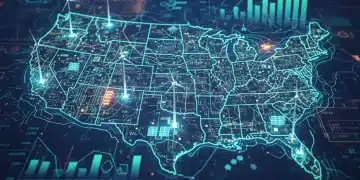
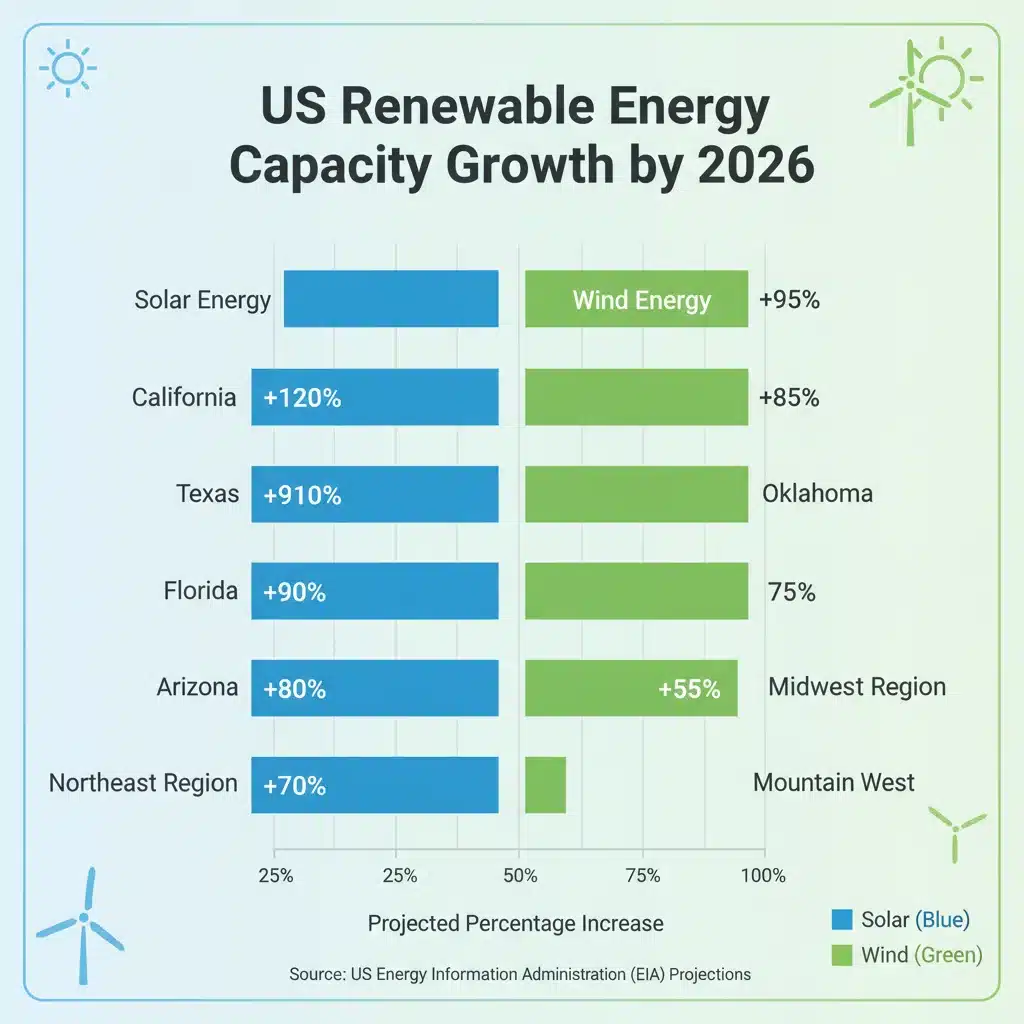
The adoption rate of US renewable energy is not uniform across the country. Different states possess varying natural resources, policy environments, and economic drivers, leading to regional disparities. For instance, states in the Sun Belt are prime candidates for solar development, while the Great Plains states excel in wind energy. California, Texas, and New York are often at the forefront of renewable energy deployment due to strong policy mandates and favorable market conditions.
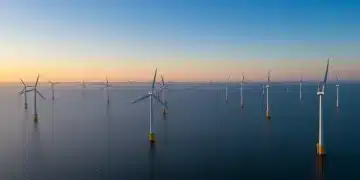
By 2026, we anticipate that states with ambitious clean energy targets and supportive regulatory frameworks will continue to lead the charge. However, the IRA’s technology-neutral tax credits are designed to incentivize renewable energy development in all states, potentially narrowing some of these regional gaps. The development of offshore wind in the Northeast and Mid-Atlantic regions, for example, represents a significant new frontier for US renewable energy that will diversify the national portfolio.
Understanding these regional nuances is crucial for accurate forecasting and for tailoring policies and investments to maximize the potential of US renewable energy across the entire nation.

The Role of Technological Advancements in 2026 and Beyond
Technological innovation is the bedrock upon which the future of US renewable energy rests. Beyond the cost reductions in solar and wind, several other technological advancements will play a critical role by 2026:
- Advanced Solar Technologies: Perovskite solar cells, bifacial modules, and solar-plus-storage solutions are becoming more efficient and cost-effective, expanding the applications and viability of solar power.
- Larger and More Efficient Wind Turbines: Advances in turbine design, including taller towers and longer blades, allow for greater energy capture, particularly in areas with lower wind speeds. Floating offshore wind technology is also gaining traction, opening up new vast resource areas.
- Grid-Scale Energy Storage: Beyond lithium-ion batteries, research into alternative storage technologies like flow batteries, compressed air energy storage, and thermal storage will provide diverse solutions for grid stability and long-duration storage.
- Artificial Intelligence and Machine Learning: AI and ML will optimize grid management, predict renewable energy output more accurately, and enhance the efficiency of energy markets, enabling smoother integration of variable US renewable energy sources.
- Carbon Capture, Utilization, and Storage (CCUS): While not strictly renewable, CCUS technologies, particularly when paired with bioenergy (BECCS), can achieve negative emissions, complementing renewable energy efforts in decarbonization.
These technological leaps will not only make US renewable energy more reliable and affordable but also unlock new possibilities for decarbonizing sectors that are currently difficult to electrify, such as heavy industry and aviation.
Economic Impact and Investment Opportunities
The growth of US renewable energy is not just an environmental imperative; it’s a significant economic engine. By 2026, the sector is expected to attract billions of dollars in investment, create hundreds of thousands of jobs, and stimulate local economies across the nation. The manufacturing renaissance driven by the IRA’s incentives is already leading to new factories for solar panels, wind turbine components, and battery storage. This domestic manufacturing capability reduces supply chain risks and enhances energy independence.
Investment opportunities abound, from direct project financing and equity investment in renewable energy developers to venture capital in emerging clean energy technologies. The burgeoning market for green bonds and other sustainable finance instruments also reflects growing investor confidence in the long-term profitability and stability of US renewable energy. The economic benefits extend to consumers as well, through lower electricity bills in the long run and increased energy resilience.
Conclusion: A Bright Future for US Renewable Energy in 2026
The forecast for US renewable energy adoption by 2026 is overwhelmingly positive. Driven by sustained cost reductions, transformative policy incentives like the IRA, and continuous technological innovation, the United States is firmly on a path towards a cleaner, more sustainable energy future. While challenges remain, particularly in grid modernization and permitting, the collective will of government, industry, and consumers is geared towards overcoming these hurdles.
The year 2026 will not merely be another year in the energy transition; it will be a testament to the nation’s commitment to climate action and economic prosperity through clean energy. The increasing penetration of solar, wind, and storage technologies will reshape the energy mix, enhance grid resilience, and create a robust green economy. As we move forward, continued collaboration, strategic investment, and forward-thinking policies will be essential to fully realize the immense potential of US renewable energy and solidify its role as a global leader in the clean energy revolution.