2026 Geopolitical Shifts: Impact on US Energy Security & Supply Chains
Anúncios
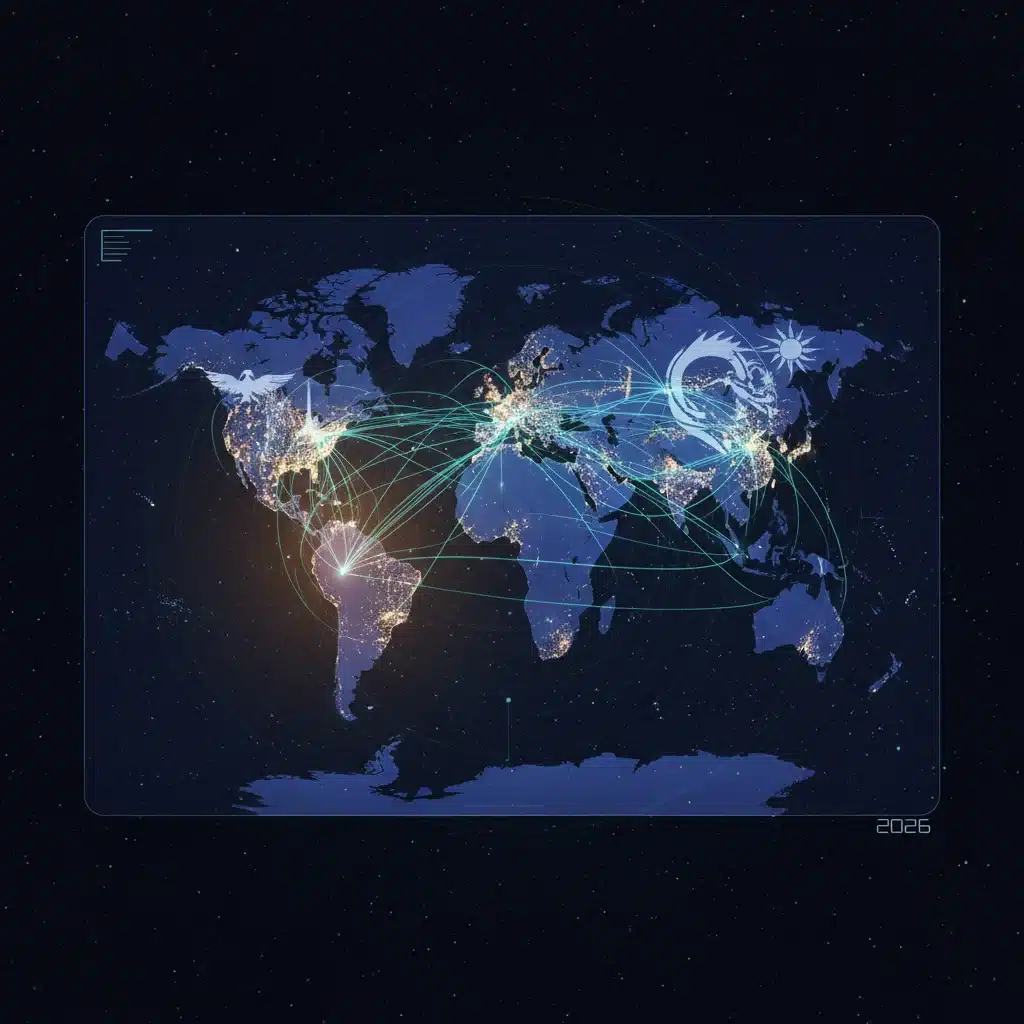
The year 2026, while still on the horizon, is already casting long shadows of anticipated geopolitical shifts that demand rigorous analysis, particularly concerning their potential ramifications for U.S. energy security and the resilience of global supply chains. As the world navigates an increasingly multipolar landscape, characterized by evolving power dynamics, technological races, and resource competition, understanding these impending changes is not merely an academic exercise but a critical imperative for national strategy and economic stability. The intricate web of international relations, economic dependencies, and strategic rivalries ensures that even seemingly localized geopolitical events can send ripple effects across continents, directly influencing the availability and cost of energy, and the integrity of vital supply networks.
The U.S., as a global economic and political powerhouse, is inherently susceptible to these shifts. Its energy independence, a hard-won achievement of recent decades, does not equate to insulation from global energy market volatility. Similarly, its complex and often globally distributed supply chains, while efficient, present numerous points of potential vulnerability to geopolitical disruptions. This article delves deep into analyzing the impact of these projected 2026 geopolitical shifts on U.S. energy security and supply chains, offering a comprehensive overview of the challenges, opportunities, and strategic pathways forward. We will explore how various regions, from the Indo-Pacific to Eastern Europe and the Middle East, are poised to influence these critical sectors, and what proactive measures can be taken to fortify U.S. resilience.
Understanding the Evolving Geopolitical Landscape Towards 2026
The global geopolitical landscape is a dynamic tapestry woven with threads of cooperation, competition, and conflict. As we approach 2026, several key trends are expected to intensify, shaping the environment in which U.S. energy and supply chains operate. The rise of new economic powers, particularly in Asia, continues to redefine global trade patterns and resource demands. Concurrently, traditional alliances are being tested, and new strategic partnerships are emerging, often driven by shared economic interests or security concerns. These realignments can create both opportunities for diversification and risks of fragmentation.
Technological advancements, especially in areas like artificial intelligence, quantum computing, and advanced manufacturing, are also profoundly influencing geopolitical power. Nations that lead in these fields gain significant strategic advantages, impacting everything from military capabilities to economic competitiveness. The race for technological supremacy can exacerbate existing tensions, particularly concerning access to critical minerals and rare earth elements essential for these technologies. Furthermore, the ongoing climate crisis and the global push towards decarbonization are adding another layer of complexity, transforming energy markets and creating new geopolitical fault lines related to renewable energy resources and green technologies.
Regional instabilities, whether stemming from long-standing territorial disputes, internal political upheavals, or proxy conflicts, remain a significant concern. These localized conflicts have the potential to disrupt shipping lanes, energy infrastructure, and crucial production facilities, thereby directly impacting global supply chains and energy flows. The interplay between these diverse factors creates a complex and often unpredictable environment, demanding a nuanced and adaptable approach to ensuring U.S. geopolitical energy security.
Direct Impacts on U.S. Energy Security
The U.S. has achieved remarkable strides in energy independence, largely due to the shale revolution. However, this independence does not render it immune to the vagaries of global energy markets. Geopolitical shifts in 2026 could impact U.S. energy security through several channels, affecting both domestic production and global pricing mechanisms. The most immediate concern is the potential for disruptions to global oil and gas supplies. While the U.S. is a net exporter of crude oil and natural gas, global price spikes caused by disruptions in major producing regions, such as the Middle East or Eastern Europe, would undoubtedly translate into higher domestic fuel costs, impacting consumers and industries alike. This directly affects the affordability and stability components of energy security.
Furthermore, the U.S. relies on a globalized energy infrastructure, including international shipping lanes for liquefied natural gas (LNG) exports and petroleum product imports. Any geopolitical event that threatens these maritime routes, such as conflicts in critical chokepoints like the Strait of Hormuz or the Suez Canal, could severely impede the flow of energy resources, leading to supply chain bottlenecks and price volatility. The U.S. also imports certain refined petroleum products, and disruptions in refining capacity abroad could have domestic implications. Ensuring robust naval presence and diplomatic efforts to secure these vital arteries remains a cornerstone of maintaining geopolitical energy security.
The transition to renewable energy sources, while critical for long-term sustainability, also introduces new dependencies. The supply chains for solar panels, wind turbines, and electric vehicle batteries rely heavily on critical minerals and processing capabilities often concentrated in specific geopolitical regions. Disruptions to these supply chains, whether due to trade disputes, export restrictions, or localized conflicts, could slow down the U.S. energy transition and expose new vulnerabilities. Diversifying sources of these critical materials and investing in domestic processing capabilities are crucial steps to mitigate these risks and bolster geopolitical energy security in the renewable energy sector.
Vulnerabilities in U.S. Supply Chains from Geopolitical Shifts
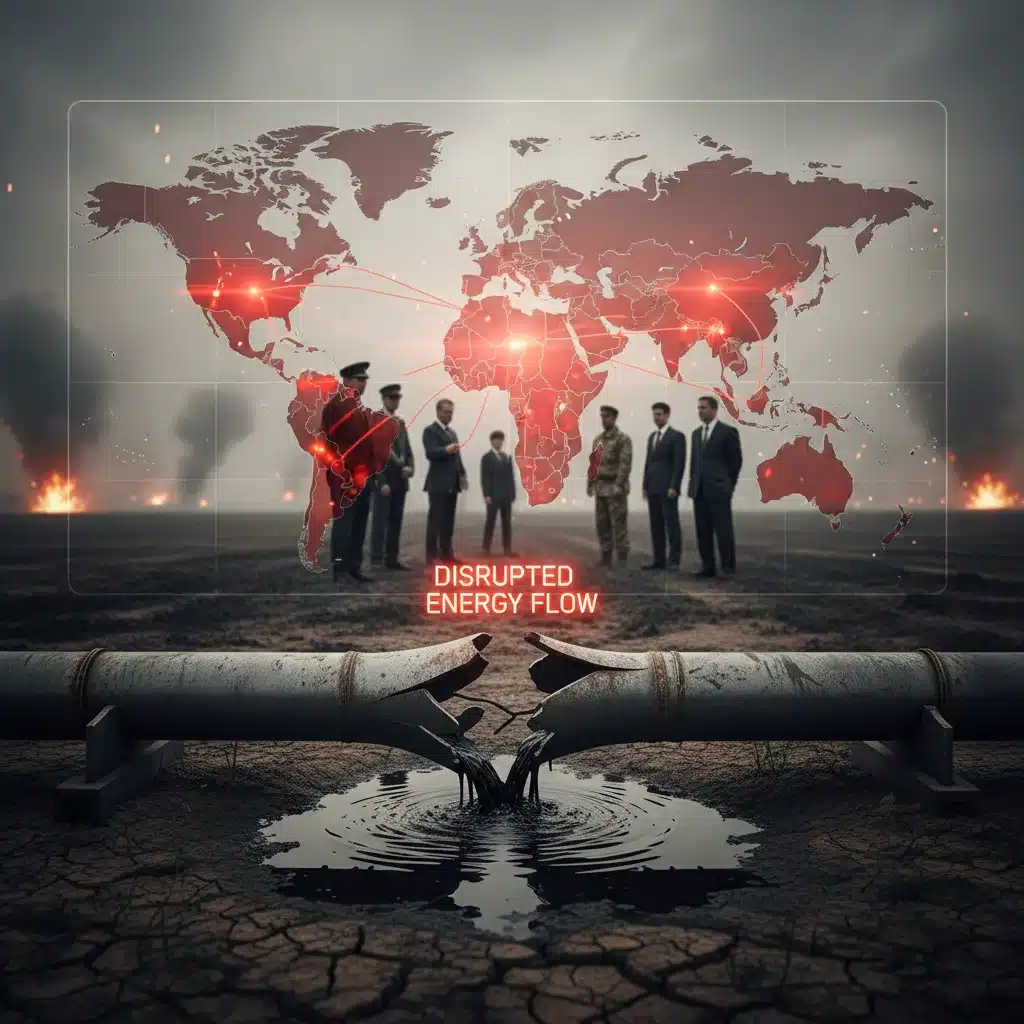
Beyond energy, the broader U.S. economy is deeply intertwined with global supply chains that are increasingly exposed to geopolitical risks. From semiconductors to pharmaceuticals, and from rare earth elements to agricultural products, the sourcing, manufacturing, and distribution networks span multiple countries, each with its own political and economic landscape. Geopolitical shifts in 2026 could manifest as trade wars, sanctions, export controls, or even direct military conflicts, all of which have the potential to severely disrupt these intricate chains.
One of the most significant vulnerabilities lies in the concentration of production for critical components and raw materials in a limited number of countries. For example, the reliance on a single region for advanced semiconductor manufacturing presents a clear and present danger to industries ranging from consumer electronics to defense. A geopolitical crisis in such a region could lead to widespread shortages, crippling U.S. technological progress and economic output. Similarly, the pharmaceutical industry often depends on active pharmaceutical ingredients (APIs) sourced from specific overseas locations. Disruptions here could have profound public health implications.
Maritime and aerial transportation routes are also critical components of global supply chains. Any geopolitical event that closes or restricts access to key shipping lanes or airspace can cause significant delays, increase freight costs, and lead to shortages of goods. Cyberattacks, often state-sponsored, represent another growing threat to supply chain integrity. Targeting logistics networks, port operations, or manufacturing facilities can bring entire systems to a halt, causing economic chaos and undermining national security. The interconnectedness of modern supply chains means that a disruption in one part of the world can quickly cascade, affecting industries and consumers thousands of miles away. Addressing these vulnerabilities requires a multifaceted approach focused on resilience and diversification.
Regional Hotspots and Their Projected Influence by 2026
Several regional hotspots are particularly relevant when assessing the impact of geopolitical shifts on U.S. geopolitical energy security and supply chains towards 2026. The Indo-Pacific region, for instance, is a focal point of intensifying competition. Tensions in the South China Sea, potential conflicts over Taiwan, and evolving relationships between major powers in the region could significantly impact global trade routes, especially those vital for energy and goods transit. A major disruption in this region would not only affect the flow of goods to and from the U.S. but also have profound implications for global manufacturing and technology supply chains, given the concentration of production capabilities there.
Eastern Europe and the broader Eurasian landmass remain a critical area, especially concerning energy flows to Europe and the stability of global energy markets. Ongoing conflicts and political instability in this region can directly affect oil and gas supplies, leading to price volatility that reverberates globally, influencing U.S. domestic energy costs. The future of energy transit infrastructure and the geopolitical alignments of countries in this corridor will be crucial determinants of global geopolitical energy security.
The Middle East, a perennial source of geopolitical complexity, continues to hold immense sway over global energy markets. Any escalation of regional conflicts, changes in political leadership, or shifts in oil production policies among major producers could trigger significant disruptions in oil supplies and price shocks. While the U.S. has reduced its reliance on Middle Eastern oil, global market dynamics mean that instability in this region will always have an indirect, yet powerful, impact on U.S. geopolitical energy security. Furthermore, several critical minerals and rare earths are sourced from regions prone to instability, adding another layer of risk to the supply chains for advanced technologies.
Strategic Responses for U.S. Energy Security and Supply Chain Resilience
Given the complex and evolving geopolitical landscape, the U.S. must adopt a comprehensive and proactive strategy to enhance its geopolitical energy security and strengthen supply chain resilience. This strategy should encompass multiple dimensions, from domestic policy to international diplomacy and technological innovation.
Diversification of Energy Sources and Suppliers
While domestic energy production is robust, continued investment in a diverse energy portfolio is essential. This includes not only traditional fossil fuels but also accelerated development and deployment of renewable energy sources like solar, wind, and geothermal. Diversification reduces reliance on any single energy type or source, making the U.S. less vulnerable to specific geopolitical disruptions. Furthermore, exploring new international partnerships for energy imports and exports can create a more flexible and resilient global energy market, bolstering geopolitical energy security.
Strengthening Domestic Supply Chain Capabilities
Reducing reliance on single points of failure in critical supply chains is paramount. This involves incentivizing domestic manufacturing of essential goods, components, and raw materials. Policies supporting reshoring and nearshoring initiatives, along with investments in advanced manufacturing technologies, can help build a more robust domestic industrial base. For critical minerals, this means investing in domestic exploration, mining, processing, and recycling capabilities to reduce dependence on foreign sources, a key aspect of geopolitical energy security in the era of green technologies.
Building Strategic Reserves and Stockpiles
Maintaining robust strategic reserves, not just of petroleum but also of critical minerals, rare earths, and essential medical supplies, provides a buffer against sudden supply disruptions. These reserves can buy time for the U.S. to implement alternative sourcing strategies or ramp up domestic production during a crisis, thereby mitigating the immediate impact of geopolitical shocks on both energy and broader supply chains.

Enhancing International Partnerships and Alliances
Collaborative efforts with allies and like-minded nations are crucial for building collective geopolitical energy security and supply chain resilience. This includes intelligence sharing, coordinated diplomatic responses to geopolitical threats, and joint investments in secure and diversified supply chains. Establishing multilateral agreements for critical resource sharing and developing common standards for supply chain security can create a more stable global environment. Such partnerships can also facilitate the diversification of sourcing and manufacturing locations, spreading risk across a broader network of trusted partners.
Investing in Cybersecurity and Infrastructure Protection
The increasing sophistication of cyber threats necessitates robust investments in cybersecurity for critical infrastructure, including energy grids, transportation networks, and manufacturing facilities. Protecting these assets from state-sponsored attacks is vital to prevent disruptions that could have cascading effects on both energy supplies and supply chains. This also involves enhancing physical security measures for critical infrastructure to guard against sabotage or direct attacks, further enhancing geopolitical energy security.
Promoting Research and Development for Innovation
Continuous investment in research and development is key to discovering new materials, developing alternative technologies, and improving manufacturing processes. Innovations in areas like advanced materials, recycling technologies, and artificial intelligence for supply chain optimization can significantly reduce vulnerabilities and create new opportunities for resilience. For example, developing new battery chemistries that reduce reliance on specific rare earth elements can mitigate geopolitical risks in the clean energy transition, directly supporting geopolitical energy security.
Geopolitical Risk Assessment and Early Warning Systems
Developing sophisticated geopolitical risk assessment models and early warning systems can help anticipate potential disruptions and enable timely responses. This involves integrating intelligence from various sources, analyzing geopolitical trends, and modeling potential impacts on energy markets and supply chains. Proactive monitoring and analysis are critical for staying ahead of rapidly evolving geopolitical situations.
Trade Policy and Economic Statecraft
Strategic trade policies, including targeted tariffs, subsidies, and export controls, can be leveraged to protect critical industries and incentivize desired supply chain behaviors. Economic statecraft, including strategic investments and development aid, can also be used to strengthen alliances and promote stable, diversified sourcing options. However, these tools must be used judiciously to avoid unintended consequences and maintain a rules-based international trading system.
Conclusion: Navigating the Complexities of 2026 and Beyond
The anticipated geopolitical shifts leading up to and beyond 2026 present a formidable set of challenges for U.S. geopolitical energy security and the resilience of its supply chains. From evolving power dynamics in the Indo-Pacific to persistent instabilities in traditional energy-producing regions and the new dependencies introduced by the clean energy transition, the landscape is fraught with potential disruptions. However, these challenges also present opportunities for strategic recalibration and innovation.
By adopting a multi-pronged approach that emphasizes diversification of energy sources and suppliers, strengthening domestic manufacturing capabilities, building strategic reserves, fostering robust international partnerships, enhancing cybersecurity, and investing in continuous innovation, the U.S. can significantly bolster its resilience. Proactive geopolitical risk assessment and a flexible approach to trade policy will be essential in navigating the complexities of the coming years.
Ultimately, ensuring U.S. geopolitical energy security and robust supply chains is not just about economic stability; it is fundamentally about national security and maintaining the nation’s capacity to act independently and protect its interests in a rapidly changing world. The strategic decisions made today, informed by a clear-eyed analysis of impending geopolitical shifts, will determine the strength and resilience of the U.S. in 2026 and for decades to come. The goal is not merely to react to crises but to build an adaptive and secure framework that can withstand unforeseen shocks, ensuring continued prosperity and security for the American people.