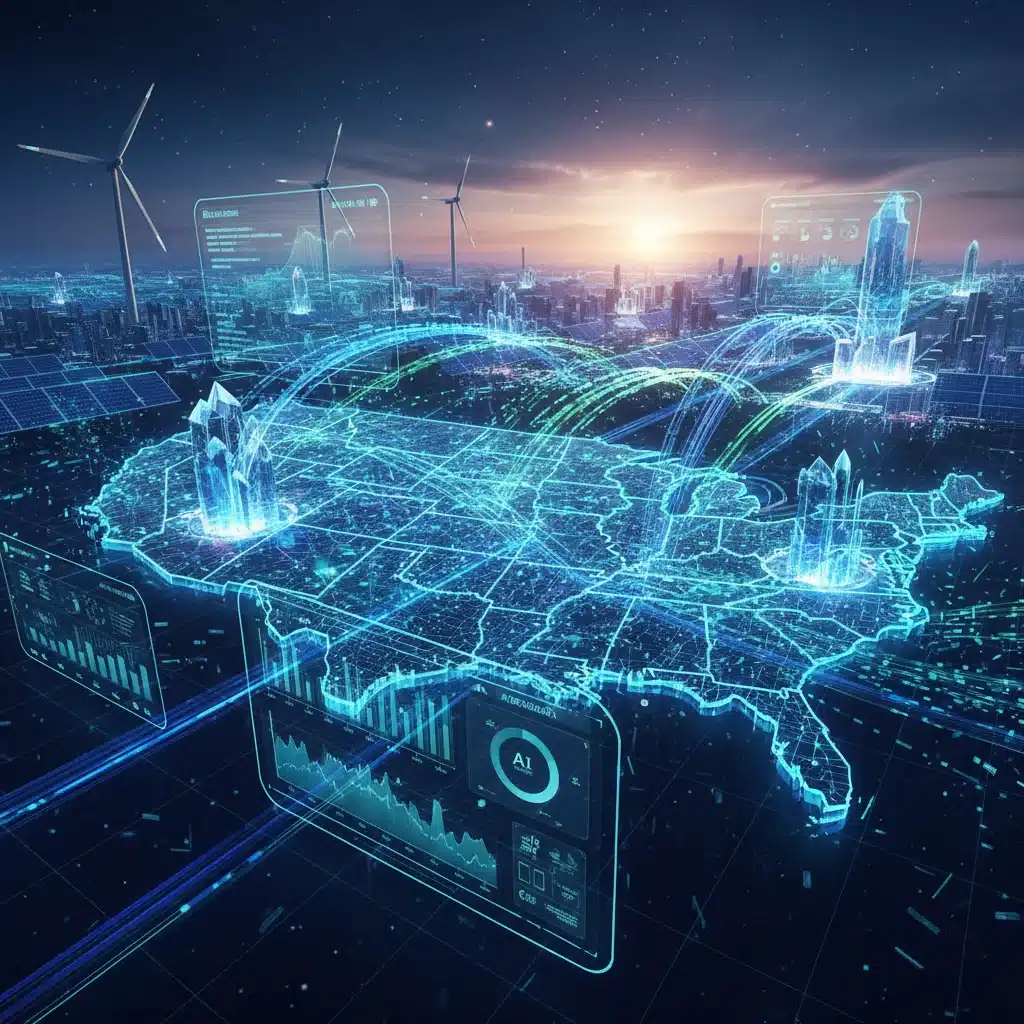
AI in Smart Grids: Optimizing US Clean Energy Distribution by 2026
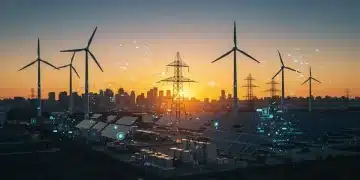
The landscape of energy distribution is undergoing a profound transformation, driven by the imperative to integrate clean energy sources and enhance grid resilience. At the forefront of this revolution is Artificial Intelligence (AI), a technology poised to redefine how the United States manages and distributes its power. By 2026, AI is expected to be an indispensable component of smart grids, fundamentally optimizing clean energy distribution across the nation. This article delves into the critical role of AI in smart grids, exploring its various applications, benefits, and the future outlook for US clean energy distribution.
The Dawn of the AI Smart Grid Era
The traditional power grid, designed for one-way energy flow from large central power plants to consumers, is increasingly ill-suited for the demands of modern energy. The rise of distributed renewable energy sources like solar and wind power, coupled with the growing need for energy efficiency and resilience against extreme weather events, necessitates a more intelligent and adaptable infrastructure. This is where the concept of the AI Smart Grid comes into play. A smart grid leverages digital technology to monitor, control, and manage energy distribution in real-time, allowing for two-way communication between utilities and consumers, and facilitating the seamless integration of diverse energy sources.
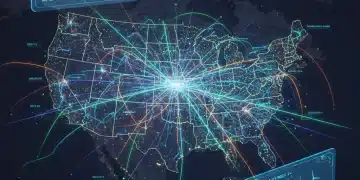
AI, with its unparalleled ability to process vast amounts of data, identify complex patterns, and make predictive decisions, is the brain behind the modern smart grid. It moves beyond mere automation, offering cognitive capabilities that enable the grid to learn, adapt, and optimize its operations autonomously. The integration of AI in smart grids is not just an incremental improvement; it represents a paradigm shift, promising a future where energy is cleaner, more reliable, and significantly more efficient.
Why AI is Crucial for Clean Energy Integration
Clean energy sources, while vital for combating climate change, introduce unique challenges to grid management. Renewable energy generation, particularly from solar and wind, is inherently intermittent and variable. Cloud cover can drastically reduce solar output, and wind speeds fluctuate, leading to unpredictable power generation. This variability makes balancing supply and demand a complex task for grid operators. Traditional forecasting methods often fall short, leading to either over-generation and waste or under-generation and potential blackouts.
AI excels at handling this complexity. Machine learning algorithms can analyze historical weather data, real-time sensor readings, satellite imagery, and even social media trends to provide highly accurate forecasts of renewable energy generation and energy demand. This predictive power is a cornerstone of the AI Smart Grid, enabling proactive management of energy flow and ensuring grid stability even with a high penetration of renewables.
4 Ways AI is Optimizing US Clean Energy Distribution by 2026
By 2026, AI’s impact on US clean energy distribution will be evident across several key areas. These applications are not merely theoretical; many are already being piloted and scaled, demonstrating tangible benefits in efficiency, reliability, and sustainability.
1. Enhanced Predictive Analytics for Supply and Demand
One of the most significant contributions of AI to smart grids is its ability to provide superior predictive analytics. As mentioned, the variability of renewable energy sources poses a major challenge. AI algorithms can ingest and process an enormous array of data points – from weather forecasts, historical consumption patterns, and economic indicators to real-time grid conditions and even social events – to generate highly accurate predictions of both energy supply from renewables and consumer demand. This sophisticated forecasting allows grid operators to anticipate fluctuations and proactively adjust energy dispatch, storage, and consumption. For instance, if an AI model predicts a sudden drop in solar generation due to an approaching storm, it can signal for increased output from other sources or activate energy storage systems, preventing potential disruptions. This proactive approach, powered by the AI Smart Grid, minimizes waste and maximizes the utilization of clean energy.
Moreover, AI can predict equipment failures within the grid itself. By analyzing sensor data from transformers, power lines, and other infrastructure components, AI can identify subtle anomalies that precede a breakdown. This enables predictive maintenance, where repairs are carried out before a failure occurs, significantly reducing downtime and improving grid reliability. The ability to foresee and mitigate issues before they escalate is a game-changer for maintaining a stable and efficient clean energy distribution network.
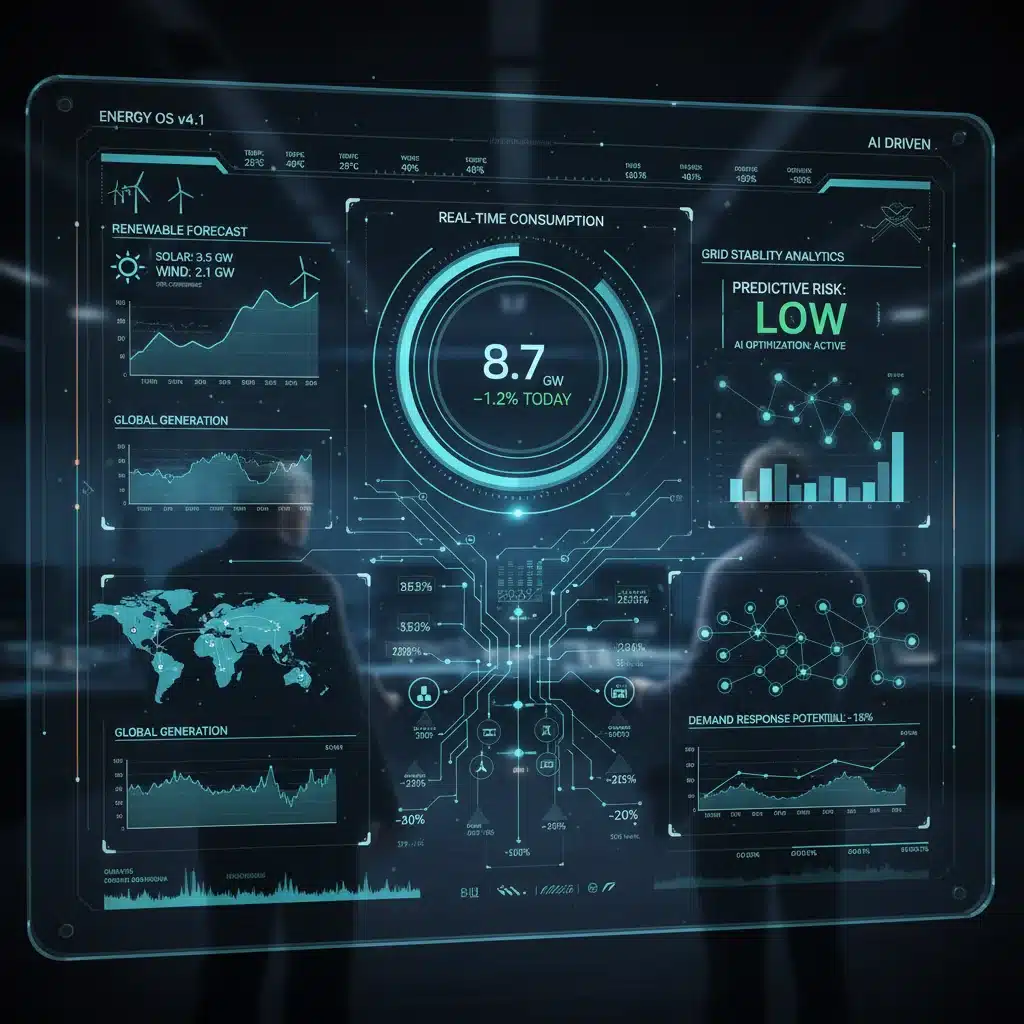
2. Dynamic Grid Optimization and Self-Healing Capabilities
Traditional grids often rely on manual intervention or pre-programmed responses to manage power flow and respond to outages. This can be slow and inefficient. AI, however, introduces dynamic optimization and self-healing capabilities to the smart grid. AI-powered systems can continuously monitor grid performance, identify bottlenecks, and reroute power in real-time to maintain optimal flow and minimize losses. This means that as demand shifts or renewable generation fluctuates, the AI Smart Grid can instantly adapt its configuration to ensure efficient delivery of electricity.
In the event of a fault or outage, AI can rapidly isolate the affected section of the grid, reroute power around the damaged area, and restore service to as many customers as possible, often before human operators are even aware of the issue. This ‘self-healing’ capability dramatically reduces outage times and enhances grid resilience, a critical factor for an infrastructure increasingly vulnerable to cyber threats and extreme weather. Autonomous decision-making, driven by AI, transforms the grid from a static system into a highly responsive and adaptive network.
3. Enhanced Integration of Distributed Energy Resources (DERs)
The proliferation of Distributed Energy Resources (DERs) – such as rooftop solar panels, electric vehicles (EVs), and battery storage systems – presents both opportunities and challenges. While DERs contribute to clean energy generation and grid decentralization, their uncoordinated operation can complicate grid management. AI provides the intelligence needed to seamlessly integrate and manage these diverse resources within the AI Smart Grid.
AI algorithms can orchestrate the charging and discharging of EV batteries and home energy storage systems based on grid conditions, electricity prices, and individual consumer preferences. For example, AI can direct EVs to charge during periods of high renewable energy generation and low demand, effectively using them as flexible storage. Similarly, AI can aggregate the output of numerous rooftop solar installations, treating them as a virtual power plant, and dispatching their collective energy to the grid as needed. This intelligent coordination maximizes the value of DERs, enhances grid stability, and accelerates the transition to a cleaner energy future.
4. Cybersecurity and Anomaly Detection
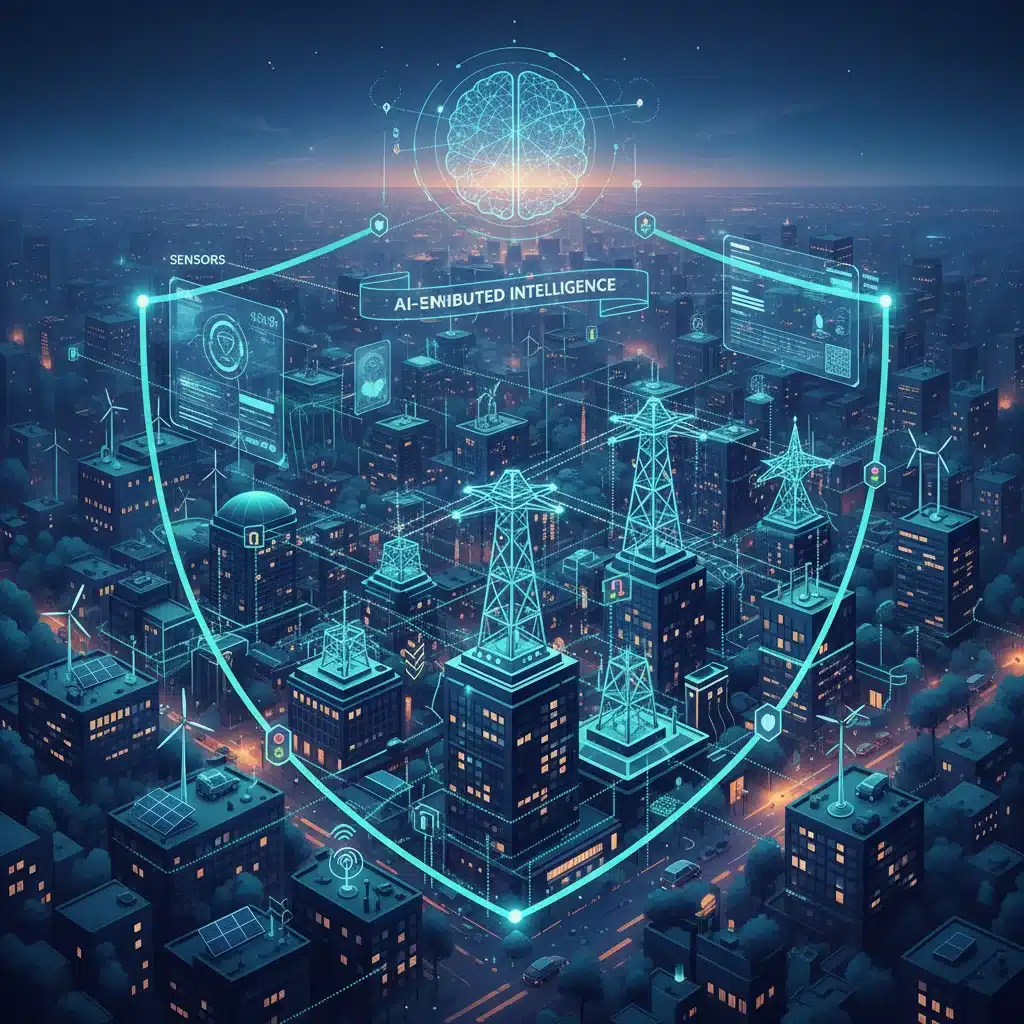
As smart grids become more interconnected and digitalized, they also become more vulnerable to cyberattacks. A successful attack on critical energy infrastructure could have devastating consequences. AI plays a crucial role in bolstering the cybersecurity of the AI Smart Grid by providing advanced anomaly detection and threat response capabilities.
AI systems can continuously monitor network traffic, sensor data, and operational parameters for unusual patterns or deviations from normal behavior. These anomalies could indicate a cyber intrusion, equipment malfunction, or even a physical attack. By rapidly identifying and flagging these irregularities, AI can alert operators to potential threats in real-time, allowing for swift mitigation. Furthermore, AI can learn from past attack vectors and adapt its defense mechanisms, making the grid more resilient to evolving cyber threats. This proactive and adaptive security posture is indispensable for protecting the nation’s vital clean energy infrastructure.
The Economic and Environmental Benefits of AI in Smart Grids
The widespread adoption of AI in smart grids promises a multitude of benefits that extend beyond operational efficiency. These advantages are crucial for accelerating the US’s clean energy transition and fostering sustainable economic growth.
Cost Savings and Efficiency Gains
AI’s ability to optimize energy flow, minimize losses, and predict maintenance needs directly translates into significant cost savings for utilities and, ultimately, for consumers. By reducing operational expenses and extending the lifespan of infrastructure, AI helps to keep electricity affordable. Furthermore, by maximizing the utilization of clean energy sources and reducing reliance on more expensive peak power generation from fossil fuels, AI contributes to a more economically viable clean energy ecosystem. The predictive power of the AI Smart Grid allows for more efficient resource allocation, preventing costly over-generation or the need for expensive emergency power procurement.
Reduced Carbon Emissions
Perhaps the most significant environmental benefit of AI in smart grids is its contribution to reducing carbon emissions. By facilitating the deeper integration of renewable energy sources and optimizing their dispatch, AI helps to displace fossil fuel-based generation. The efficiency gains achieved through AI also mean that less energy is wasted, further lowering the overall carbon footprint of the energy sector. As the US strives to meet ambitious climate goals, the AI Smart Grid will be a critical tool in transitioning to a low-carbon economy.
Enhanced Reliability and Resilience
A reliable and resilient power supply is fundamental to modern society. AI’s capabilities in predictive maintenance, self-healing grids, and rapid anomaly detection significantly enhance the reliability of clean energy distribution. This means fewer blackouts, quicker restoration of service during outages, and a grid that is better equipped to withstand the impacts of natural disasters and cyberattacks. For the US, this translates to greater energy security and a more stable economic environment.
Challenges and the Path Forward for the AI Smart Grid
While the promise of AI in smart grids is immense, several challenges must be addressed to fully realize its potential by 2026 and beyond.
Data Privacy and Security Concerns
The effectiveness of AI relies heavily on access to vast amounts of data, including sensitive consumer consumption patterns. Ensuring the privacy and security of this data is paramount. Robust cybersecurity frameworks, encryption protocols, and strict data governance policies must be in place to build public trust and prevent malicious exploitation of grid data. The development of privacy-preserving AI techniques, such as federated learning, will be crucial in this regard.
Interoperability and Standardization
The energy sector is characterized by a diverse array of legacy systems and proprietary technologies. For AI to function effectively across the entire grid, a high degree of interoperability and standardization is required. This involves developing common communication protocols, data formats, and API standards that allow different components of the smart grid to seamlessly interact with AI systems. Collaborative efforts between utilities, technology providers, and regulatory bodies are essential to drive this standardization.
Skilled Workforce Development
The deployment and management of AI-powered smart grids require a new set of skills within the energy workforce. There is a growing need for data scientists, AI engineers, cybersecurity specialists, and grid operators who understand AI functionalities. Investing in education, training programs, and talent development initiatives is critical to ensure that the US has the human capital necessary to build and maintain the future AI Smart Grid.
Regulatory and Policy Frameworks
Existing regulatory frameworks, often designed for traditional grid operations, may not be fully equipped to handle the complexities and rapid evolution of AI in smart grids. Policymakers need to develop forward-looking regulations that encourage innovation, facilitate AI adoption, and address new challenges related to data ownership, algorithmic transparency, and ethical AI use. Clear incentives for utilities to invest in AI technologies will also be vital.
Looking Ahead: The AI Smart Grid in 2026 and Beyond
By 2026, the US energy landscape will likely see significant advancements driven by the integration of AI. We can expect:
- Widespread Adoption of Predictive Maintenance: Utilities will increasingly rely on AI to predict and prevent outages, leading to a more reliable power supply.
- Enhanced Microgrid Management: AI will play a central role in optimizing the operation of microgrids, enabling greater energy independence and resilience for communities.
- More Sophisticated Demand Response Programs: AI will enable highly personalized and dynamic demand response programs, empowering consumers to actively participate in grid management and reduce their energy costs.
- Advanced Cyber Defense Systems: AI will be integral to real-time threat detection and response, protecting critical energy infrastructure from cyberattacks.
- Improved Energy Trading and Market Efficiency: AI will analyze market data to optimize energy trading, leading to more efficient energy markets and better pricing for clean energy.
The journey towards a fully optimized AI Smart Grid is continuous, but the foundation being laid now will define the future of energy distribution. The collaboration between AI developers, energy utilities, government agencies, and research institutions will be crucial in overcoming remaining hurdles and unlocking the full potential of this transformative technology.
Conclusion
Artificial Intelligence is not just an emerging technology; it is rapidly becoming the cornerstone of the modern smart grid, fundamentally altering how the United States generates, distributes, and consumes clean energy. By 2026, AI will have significantly optimized US clean energy distribution through enhanced predictive analytics, dynamic grid optimization, seamless integration of distributed energy resources, and robust cybersecurity. The economic and environmental benefits are substantial, promising a future of greater efficiency, reliability, and sustainability.
While challenges related to data privacy, interoperability, workforce development, and regulatory frameworks remain, the trajectory is clear. The continued investment in and strategic deployment of AI technologies will be paramount to building a resilient, intelligent, and clean energy future for the United States. The AI Smart Grid is not merely an aspiration; it is the inevitable and necessary evolution of our energy infrastructure, poised to deliver a more secure and sustainable tomorrow.