U.S. Grid Modernization 2026: Digitalization, Cyber Security, and Future Challenges
Anúncios
The energy landscape in the United States is undergoing a profound transformation, driven by a confluence of factors including aging infrastructure, the imperative for decarbonization, and the rapid evolution of digital technologies. At the heart of this evolution lies U.S. Grid Modernization, a monumental undertaking aimed at creating a more resilient, efficient, and secure electrical grid. As we approach 2026, the strategies deployed and the challenges encountered in this modernization effort are becoming increasingly clear, with digitalization and cyber security emerging as pivotal themes.
For decades, the U.S. electrical grid has operated on a largely centralized, analog model, designed for one-way power flow from large generation plants to consumers. This architecture, while robust for its time, is ill-suited to meet the demands of the 21st century. The integration of renewable energy sources like solar and wind, the proliferation of electric vehicles, the rise of distributed energy resources (DERs), and the increasing frequency of extreme weather events all necessitate a fundamental reimagining of how power is generated, transmitted, and consumed. The vision for U.S. Grid Modernization is a smart grid: an interconnected network capable of real-time monitoring, self-healing capabilities, and dynamic energy management.
This article provides an in-depth review of the current state and projected trajectory of U.S. Grid Modernization efforts by 2026. We will explore the critical role of digitalization strategies in achieving these goals, delve into the escalating cyber security challenges that accompany increased connectivity, and examine the policy and technological innovations driving this essential transformation. Understanding these facets is crucial for anyone interested in the future of energy, national security, and economic stability.
The Imperative for U.S. Grid Modernization: Why Now?
The urgency behind U.S. Grid Modernization cannot be overstated. Several critical drivers necessitate this comprehensive overhaul:
Aging Infrastructure
Much of the existing U.S. electrical grid was constructed in the mid-20th century. Transformers, transmission lines, and substations are aging, leading to decreased reliability, increased maintenance costs, and greater susceptibility to failures. Modernization aims to replace and upgrade these components with more efficient, durable, and intelligent alternatives.
Climate Change and Extreme Weather
The increasing frequency and intensity of extreme weather events—hurricanes, wildfires, ice storms, and heatwaves—pose significant threats to grid stability. The traditional grid is vulnerable to widespread outages. A modernized grid incorporates resilience measures, including microgrids, distributed generation, and enhanced storm hardening, to better withstand and recover from such events. This focus on resilience is a cornerstone of current U.S. Grid Modernization strategies.
Integration of Renewable Energy
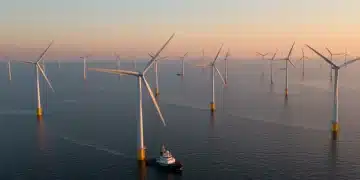
The push towards decarbonization mandates a significant increase in renewable energy sources. Unlike conventional power plants, solar and wind generation are intermittent and often distributed. Integrating these variable resources into the grid requires sophisticated control systems, real-time data, and flexible infrastructure to maintain stability and reliability. This is a core challenge and opportunity within U.S. Grid Modernization.
Electrification of Transportation and Industry
The rapid adoption of electric vehicles (EVs) and the electrification of industrial processes are dramatically increasing electricity demand and shifting load patterns. The grid must be capable of supporting these new loads efficiently and intelligently, potentially using smart charging infrastructure and demand-response programs.
Economic Competitiveness and Innovation
A modern, efficient grid is essential for economic competitiveness. It fosters innovation in energy technologies, supports new industries, and provides reliable power for businesses and homes. Inefficient grids lead to higher energy costs and hinder economic growth, making U.S. Grid Modernization a strategic economic imperative.
Digitalization Strategies: The Backbone of Modernization by 2026
Digitalization is not merely an enhancement; it is the foundational pillar upon which the future of the U.S. Grid Modernization rests. By 2026, we expect to see significant advancements in several key areas of digital integration:
Smart Grid Technologies
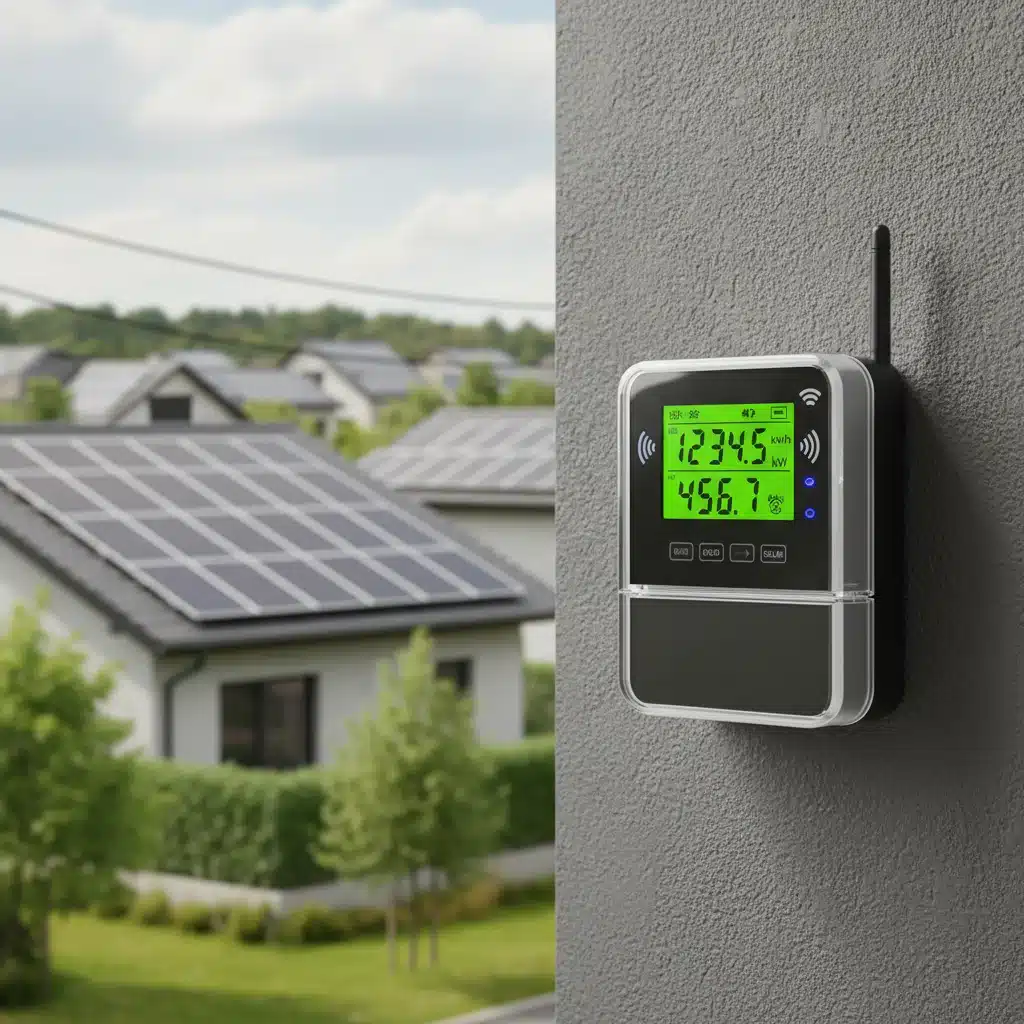
Smart grid technologies are at the forefront of digitalization. These include advanced sensors (phasor measurement units or PMUs), smart meters, and intelligent electronic devices (IEDs) deployed across the transmission and distribution networks. These devices collect vast amounts of data in real time, providing unprecedented visibility into grid operations. This data is crucial for predictive maintenance, fault detection, and optimizing power flow, all central to effective U.S. Grid Modernization.
Advanced Distribution Management Systems (ADMS)
ADMS platforms integrate various grid management functions, including outage management, supervisory control and data acquisition (SCADA), and distributed energy resource management systems (DERMS). By 2026, more utilities are expected to have implemented sophisticated ADMS solutions that enable automated fault location, isolation, and service restoration (FLISR), significantly reducing outage times and improving grid resilience. These systems are vital for the granular control required by a modern grid, driving forward U.S. Grid Modernization.
Artificial Intelligence and Machine Learning (AI/ML)
The sheer volume of data generated by a digitized grid makes AI and ML indispensable. These technologies are being used for demand forecasting, optimizing renewable energy integration, predicting equipment failures, and enhancing grid security. AI-driven analytics can identify patterns and anomalies that human operators might miss, leading to more proactive and efficient grid management. Their role in accelerating U.S. Grid Modernization is undeniable.
Internet of Things (IoT) for Energy
The Energy IoT extends connectivity to a vast array of grid assets, from transformers and circuit breakers to streetlights and consumer appliances. This interconnectedness allows for remote monitoring, control, and automation, enabling utilities to respond dynamically to changing grid conditions. The expansion of IoT devices is a critical component of increasing the intelligence and responsiveness of the grid, a key outcome of U.S. Grid Modernization.
Blockchain Technology
While still in nascent stages for grid applications, blockchain technology holds promise for secure, transparent, and decentralized energy transactions. It could facilitate peer-to-peer energy trading, enhance the security of grid data, and create new market mechanisms for DERs. Its potential impact on the transactional aspects of U.S. Grid Modernization is being actively researched and piloted.
Cyber Security Challenges in a Digitalized Grid
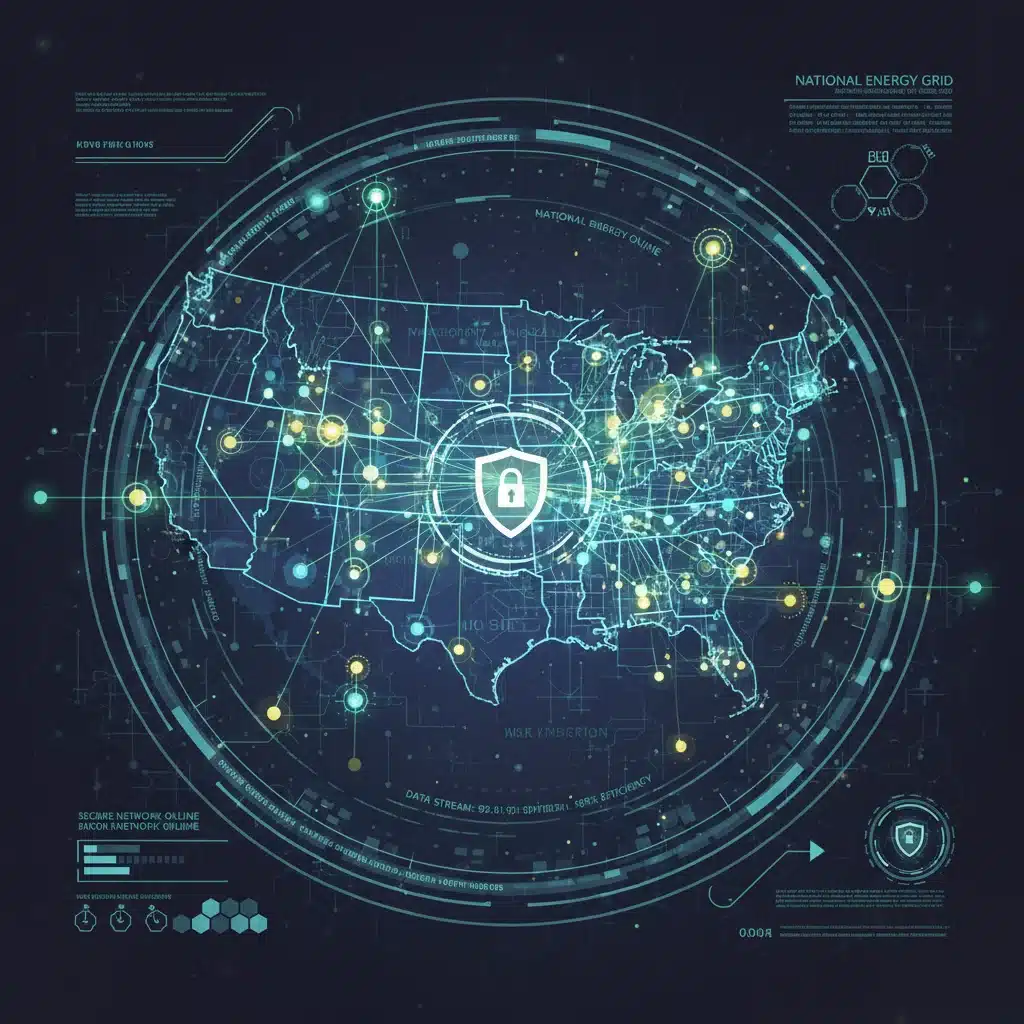
While digitalization offers immense benefits, it also introduces significant vulnerabilities. The interconnected nature of a smart grid creates a larger attack surface, making cyber security a paramount concern for U.S. Grid Modernization efforts. A successful cyberattack on the electrical grid could have catastrophic consequences, leading to widespread power outages, economic disruption, and even national security threats. By 2026, addressing these challenges will require continuous vigilance and innovation.
Increased Attack Surface
Every new sensor, smart meter, and connected device added to the grid represents a potential entry point for malicious actors. The sheer volume and diversity of these devices make securing them a complex task. Protecting this expanded attack surface is a top priority for U.S. Grid Modernization initiatives.
Sophisticated Threats
State-sponsored actors, organized crime syndicates, and terrorist groups are constantly developing more sophisticated cyberattack methods. These threats range from denial-of-service attacks and ransomware to advanced persistent threats (APTs) designed to infiltrate and disrupt critical infrastructure silently. The evolving nature of these threats demands dynamic and adaptive cyber security strategies within U.S. Grid Modernization.
Interconnectedness and Cascading Failures
The very interconnectedness that makes the smart grid efficient also makes it vulnerable to cascading failures. A breach in one part of the system could potentially spread rapidly, affecting vast regions. Ensuring robust segmentation and isolation capabilities is crucial to mitigate such risks, a key design principle in U.S. Grid Modernization.
Supply Chain Vulnerabilities
The hardware and software components used in grid modernization often come from a global supply chain. Ensuring the integrity and security of these components from manufacturing to deployment is a significant challenge. Malicious code or hardware backdoors introduced during the supply chain process could compromise grid security before it even goes live. Supply chain resilience is a growing focus in U.S. Grid Modernization discussions.
Operational Technology (OT) vs. Information Technology (IT) Security
Securing operational technology (OT) systems, which directly control physical processes, requires a different approach than securing traditional IT networks. OT systems often have unique protocols, real-time constraints, and legacy equipment that complicate security implementations. Bridging the gap between IT and OT security practices is vital for effective grid protection and a critical component of U.S. Grid Modernization.
Strategies for Enhancing Grid Cyber Security by 2026
To counter these threats, a multi-faceted approach to cyber security is being implemented as part of U.S. Grid Modernization:
Robust Regulatory Frameworks
Organizations like the North American Electric Reliability Corporation (NERC) develop critical infrastructure protection (CIP) standards that utilities must adhere to. These standards are continuously updated to address emerging threats. Government agencies, such as the Department of Energy (DOE) and the Cybersecurity and Infrastructure Security Agency (CISA), also play a vital role in providing guidance, resources, and threat intelligence. These frameworks are foundational to secure U.S. Grid Modernization.
Threat Intelligence Sharing
Effective cyber defense relies on timely and actionable threat intelligence. Utilities, government agencies, and private security firms are increasing their collaboration and information-sharing efforts to anticipate and respond to cyberattacks more effectively. This collective defense strategy is essential for the success of U.S. Grid Modernization.
Advanced Detection and Response Systems
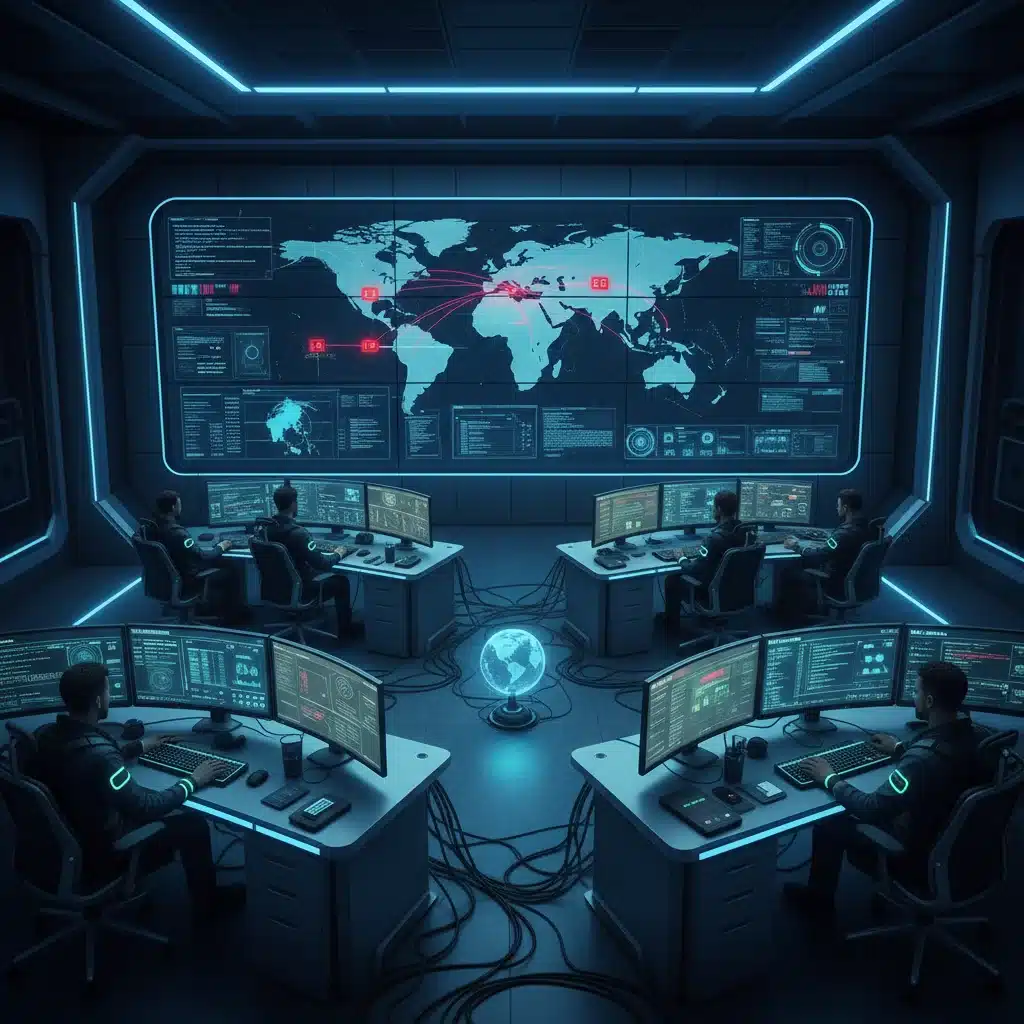
Utilities are investing in sophisticated intrusion detection systems, security information and event management (SIEM) platforms, and security orchestration, automation, and response (SOAR) solutions. These tools help to identify and mitigate cyber threats in real time, minimizing their impact. Proactive threat hunting and incident response planning are also becoming standard practices in U.S. Grid Modernization.
Cybersecurity Workforce Development
A critical shortage of skilled cybersecurity professionals poses a significant challenge. Initiatives to train and recruit cybersecurity experts with specialized knowledge of industrial control systems (ICS) and OT environments are crucial. This human element is as important as technological solutions in securing the future of U.S. Grid Modernization.
Resilience by Design
Building security into the grid infrastructure from the ground up, rather than as an afterthought, is a key principle. This includes implementing secure coding practices, using tamper-resistant hardware, and designing systems with inherent resilience to cyberattacks. Microgrids and distributed energy resources, while adding complexity, can also enhance overall system resilience by isolating faults and enabling localized power delivery during wider outages. This ‘security-by-design’ approach is paramount for U.S. Grid Modernization.
Key Technologies and Innovations Driving U.S. Grid Modernization by 2026
Beyond digitalization and cybersecurity, several other technological advancements are shaping the future of the U.S. electrical grid:
Energy Storage Solutions
The proliferation of battery energy storage systems (BESS), both utility-scale and behind-the-meter, is a game-changer for grid flexibility. Storage can smooth out the intermittency of renewables, provide ancillary services, and enhance grid resilience. By 2026, we anticipate a significant increase in deployed storage capacity as costs continue to decline and technologies mature, accelerating U.S. Grid Modernization.
Advanced Transmission Technologies
Innovations in transmission, such as high-voltage direct current (HVDC) lines, flexible AC transmission systems (FACTS), and advanced conductors, are improving the efficiency and capacity of long-distance power transfer. These technologies are crucial for integrating remote renewable energy sources and enhancing grid stability across vast geographical areas, a significant aspect of U.S. Grid Modernization.
Microgrids and Community Grids
Microgrids, self-contained energy systems that can operate independently or connected to the main grid, offer enhanced local resilience and can integrate local DERs more effectively. Community grids extend this concept to serve neighborhoods or industrial parks. These localized solutions are becoming increasingly popular for critical facilities and communities seeking greater energy independence and resilience, contributing significantly to distributed U.S. Grid Modernization.
Demand-Side Management (DSM) and Demand Response (DR)
These programs empower consumers to play an active role in grid management by adjusting their energy consumption in response to price signals or grid conditions. Advanced metering infrastructure (AMI) and smart appliances facilitate these programs, helping to balance supply and demand and reduce peak loads. DSM and DR are crucial for optimizing grid operations and leveraging consumer participation in U.S. Grid Modernization.
Digital Twins
The creation of digital twins—virtual replicas of physical grid assets and systems—allows utilities to simulate various scenarios, test new technologies, and predict performance without impacting the live grid. This technology offers invaluable insights for optimizing operations, maintenance, and future planning, making it a powerful tool for ongoing U.S. Grid Modernization.
Policy and Regulatory Landscape Supporting U.S. Grid Modernization
The ambitious goals of U.S. Grid Modernization are underpinned by a complex and evolving policy and regulatory environment. Government initiatives, incentives, and regulations play a pivotal role in directing investments, fostering innovation, and ensuring equitable outcomes.
Federal Funding and Initiatives
The U.S. government, through legislation like the Bipartisan Infrastructure Law, has allocated substantial funding towards grid modernization, resilience, and clean energy projects. Programs from the Department of Energy (DOE) and other agencies provide grants, loans, and technical assistance to states, utilities, and communities. These federal commitments are instrumental in accelerating the pace of U.S. Grid Modernization.
State-Level Policies and Renewable Portfolio Standards (RPS)
Many states have their own grid modernization plans, often driven by renewable portfolio standards (RPS) or clean energy mandates. These policies create markets for renewable energy and storage, incentivize smart grid deployments, and encourage utility investments in advanced infrastructure. The diversity of state-level approaches contributes to a rich tapestry of innovation within U.S. Grid Modernization.
Regulatory Reforms
Regulatory bodies, both federal (e.g., FERC) and state public utility commissions (PUCs), are adapting their frameworks to accommodate new technologies and business models. This includes developing new rate structures, market rules for DERs, and performance-based regulation that incentivizes utilities to invest in grid modernization and resilience. These regulatory shifts are essential enablers for effective U.S. Grid Modernization.
Interagency Coordination
Given the multi-faceted nature of grid modernization, effective coordination among various federal agencies (DOE, CISA, EPA, DOD) and between federal, state, and local governments is crucial. This ensures a holistic approach to planning, funding, and implementing grid resilience and security measures. Coordinated efforts are key to successful U.S. Grid Modernization.
Challenges and Roadblocks to U.S. Grid Modernization
Despite the significant progress and concerted efforts, U.S. Grid Modernization faces several formidable challenges:
High Capital Costs
Modernizing an infrastructure as vast and complex as the U.S. electrical grid requires enormous capital investment. Recovering these costs while keeping electricity affordable for consumers is a delicate balancing act. Innovative financing mechanisms and public-private partnerships are essential.
Regulatory Lag and Inertia
The pace of technological change often outstrips the pace of regulatory adaptation. Outdated regulations can hinder innovation and delay the deployment of new grid technologies. Overcoming regulatory inertia is a continuous challenge for U.S. Grid Modernization.
Interoperability and Standardization
With a multitude of vendors and technologies, ensuring interoperability and developing common standards for grid devices and software is critical. Lack of standardization can lead to fragmented systems and increased integration costs, impacting the efficiency of U.S. Grid Modernization.
Public Acceptance and Equity
Gaining public acceptance for new infrastructure projects, addressing concerns about data privacy from smart meters, and ensuring that the benefits of modernization are equitably distributed across all communities are important social challenges. Engaging stakeholders and addressing community concerns are vital for successful U.S. Grid Modernization.
Workforce Transition and Skills Gap
The shift to a modernized grid requires a workforce with new skills in areas like data analytics, cybersecurity, and advanced control systems. Retraining the existing workforce and attracting new talent are crucial for smooth transition and sustained progress in U.S. Grid Modernization.
The Future Outlook for U.S. Grid Modernization Beyond 2026
Looking beyond 2026, the trajectory of U.S. Grid Modernization points towards an increasingly intelligent, resilient, and decarbonized energy system. We can expect:
- Hyper-Distributed Grid: Further integration of DERs, creating a more decentralized and flexible grid architecture.
- Advanced Predictive Capabilities: AI and machine learning will become even more sophisticated, enabling highly accurate predictions of demand, generation, and potential failures.
- Enhanced Cyber-Physical Security: Tighter integration of physical and cyber security measures to protect against increasingly complex threats.
- Prosumer Empowerment: Consumers will have greater control and opportunities to participate in energy markets, becoming active ‘prosumers’ who both consume and produce energy.
- Greater Electrification: Continued electrification of transportation, heating, and industrial processes, placing further demands and opportunities on the modernized grid.
Conclusion
U.S. Grid Modernization is an ongoing, transformative endeavor critical to the nation’s energy security, economic prosperity, and environmental sustainability. By 2026, the focus on digitalization strategies will have significantly advanced the intelligence and efficiency of the grid, enabling greater integration of renewable energy and enhancing operational capabilities. Simultaneously, the persistent and evolving threat of cyberattacks necessitates a continuous, multi-layered approach to security, embedding resilience and protection into every aspect of the modernized infrastructure.
The journey towards a fully modernized grid is complex, fraught with technological, regulatory, and financial hurdles. However, the commitment from government, industry, and academia, coupled with rapid innovation, suggests a future where the U.S. electrical grid is not only robust and reliable but also a cornerstone of a sustainable and secure energy future. The outcomes of these efforts by 2026 will lay a critical foundation for the decades to come, shaping how we power our lives and industries in an increasingly interconnected world. The success of U.S. Grid Modernization will define the nation’s energy resilience and global leadership in the 21st century.