LFP vs. Solid-State Batteries: US Energy Storage Dominance 2026
Anúncios
LFP vs. Solid-State Batteries: Which Dominates US Energy Storage in 2026 and Why?
The global energy landscape is undergoing a monumental transformation, driven by an urgent need for sustainable and efficient power solutions. At the heart of this revolution lies battery technology, with two contenders, Lithium Iron Phosphate (LFP) and solid-state batteries, emerging as front-runners in the race for dominance in US energy storage. As we approach 2026, the question isn’t just about which technology is superior, but which will achieve widespread adoption and fundamentally reshape our energy infrastructure. This comprehensive analysis delves into the technical intricacies, economic viability, safety profiles, and strategic implications of both LFP and solid-state batteries to predict their trajectory in the US market.
Understanding the nuances of these technologies is critical for policymakers, investors, and consumers alike. The US, with its ambitious renewable energy targets and growing electric vehicle (EV) market, presents a unique battleground for battery innovation. While LFP batteries currently hold a significant market share due to their proven performance and cost-effectiveness, solid-state batteries promise a revolutionary leap forward, albeit with challenges in commercialization. Our exploration will dissect these factors, providing a clear picture of the likely scenario by 2026.
The Current Reign of LFP Batteries: A Deep Dive into Their Advantages
Lithium Iron Phosphate (LFP) batteries, a specific type of lithium-ion battery, have rapidly gained traction, especially in the last few years. Their rise to prominence is not accidental but a result of several compelling advantages that make them particularly well-suited for various applications, including grid-scale energy storage and electric vehicles. To truly understand their current market position and future potential, we must examine their core strengths.
Cost-Effectiveness and Abundant Materials
One of the most significant selling points of LFP batteries is their cost-effectiveness. Unlike other lithium-ion chemistries that rely on expensive and sometimes scarce materials like cobalt and nickel, LFP batteries utilize iron and phosphate, which are significantly more abundant and cheaper. This material advantage directly translates into lower manufacturing costs, making LFP batteries a more economically viable option for large-scale deployments. For the US energy storage market, where return on investment and scalability are paramount, the lower upfront cost of LFP systems is a powerful incentive. This affordability allows for broader adoption and faster deployment of energy storage solutions, accelerating the transition to renewable energy sources.
Exceptional Safety Profile
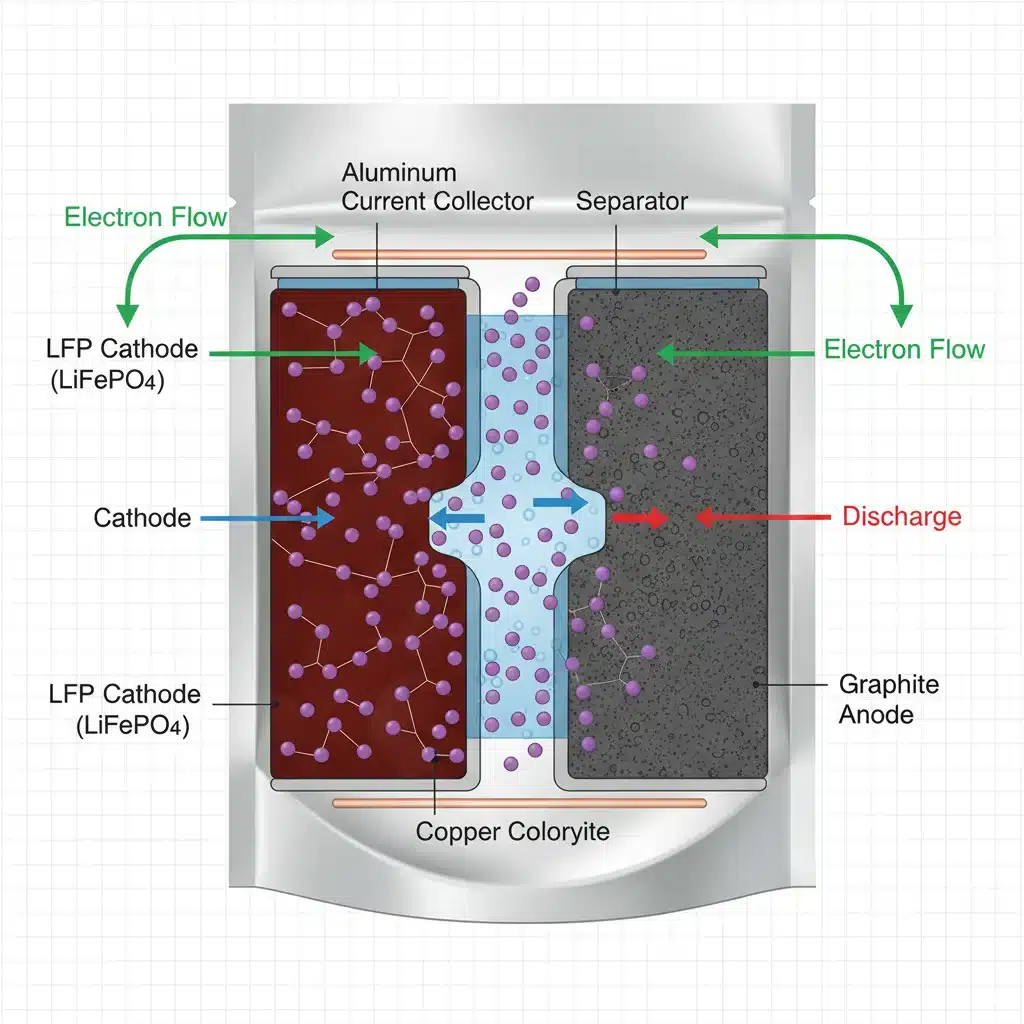
Safety is a non-negotiable factor in any battery technology, particularly for residential, commercial, and grid-scale applications. LFP batteries boast an inherently superior safety profile compared to other lithium-ion chemistries. Their iron phosphate cathode structure is more thermally stable, meaning it is less prone to thermal runaway – a dangerous condition where a battery overheats and can catch fire or explode. This enhanced safety is a critical advantage, reducing the risks associated with battery operation and making LFP a preferred choice for applications where safety is a primary concern, such as home energy storage systems and public charging infrastructure. The peace of mind offered by LFP batteries cannot be overstated, contributing significantly to their market acceptance.
Long Cycle Life and Durability
LFP batteries are renowned for their impressive cycle life, often exceeding 3,000 to 6,000 full charge-discharge cycles before significant degradation. This longevity is a crucial factor for energy storage applications, where batteries are expected to perform reliably for many years. A longer cycle life translates to a lower total cost of ownership over the battery’s lifespan, as replacement frequency is reduced. Furthermore, LFP batteries exhibit excellent durability and can withstand a wider range of operating temperatures and more frequent deep discharges without significant performance loss. This robustness makes them ideal for demanding environments and applications requiring consistent, long-term performance.
Environmental Considerations
Beyond cost and safety, LFP batteries also offer environmental benefits. The absence of cobalt, a material often associated with ethical mining concerns, makes LFP a more sustainable choice. While lithium mining still presents environmental challenges, the overall material footprint of LFP is generally considered more benign. As environmental regulations tighten and consumer awareness grows, the eco-friendliness of LFP batteries further strengthens their position in the market.
The Promise of Solid-State Batteries: A Glimpse into the Future
While LFP batteries currently dominate, solid-state batteries represent the next frontier in battery technology, promising a paradigm shift in energy storage. These batteries replace the flammable liquid electrolyte found in traditional lithium-ion batteries with a solid material, unlocking a host of potential advantages. However, as with any nascent technology, significant hurdles remain before widespread commercialization.
Revolutionary Safety and Energy Density
The most compelling promise of solid-state batteries lies in their enhanced safety and potentially dramatically increased energy density. By eliminating the flammable liquid electrolyte, the risk of thermal runaway and fire is virtually eradicated, making them inherently safer. This safety improvement is critical for electric vehicles, where battery safety is paramount, and for high-density urban energy storage solutions. Moreover, solid electrolytes allow for the use of lithium metal anodes, which have a much higher theoretical energy density than graphite anodes used in conventional lithium-ion batteries. This could lead to batteries that are significantly smaller, lighter, and capable of storing more energy, translating to longer EV ranges and more compact grid storage solutions.
Faster Charging Capabilities
Another potential advantage of solid-state batteries is their ability to charge much faster than current lithium-ion batteries. The solid electrolyte can enable faster ion transport under certain conditions, leading to significantly reduced charging times. For EVs, this would mean shorter stops and greater convenience, addressing a major pain point for consumers. For grid applications, faster charging and discharging rates could enhance grid stability and responsiveness to fluctuating renewable energy generation.
Extended Lifespan and Wider Operating Temperatures
Some research suggests that solid-state batteries could also offer a longer cycle life and operate effectively over a wider range of temperatures compared to LFP and other lithium-ion chemistries. The stable solid electrolyte can reduce unwanted side reactions that degrade battery performance over time, contributing to a longer lifespan. This resilience to temperature variations would be particularly beneficial for energy storage systems deployed in diverse climates across the US.
Challenges to Solid-State Battery Commercialization
Despite their immense promise, solid-state batteries face substantial technical and economic challenges that must be overcome before they can achieve widespread adoption by 2026. These hurdles are not trivial and require significant investment in research, development, and manufacturing.
Manufacturing Complexity and Cost
The primary barrier to solid-state battery commercialization is the complexity and cost of manufacturing. Producing solid electrolytes and integrating them into battery cells at scale is significantly more challenging and expensive than traditional liquid electrolyte battery manufacturing. Issues such as achieving good contact between the solid electrolyte and electrodes, preventing dendrite formation (short circuits caused by lithium crystal growth), and ensuring consistent quality across large production volumes are still being actively researched. As a result, the current cost of solid-state batteries is prohibitively high for most commercial applications.
Scalability and Production Capacity
Even if manufacturing costs can be reduced, scaling up production to meet the demands of the US energy storage market by 2026 is a monumental task. Building gigafactories for solid-state batteries requires substantial capital investment, new supply chains, and specialized expertise. The existing LFP battery supply chain is already well-established and rapidly expanding, giving it a significant head start in terms of production capacity.
Performance at Room Temperature
While solid-state batteries show great promise, some solid electrolyte materials exhibit lower ionic conductivity at room temperature compared to liquid electrolytes, which can hinder performance, especially at high charge/discharge rates. Researchers are actively developing new solid electrolyte materials to address this, but it remains a critical area of development to ensure optimal performance in real-world conditions.
LFP vs. Solid-State Batteries: A Head-to-Head Comparison for 2026
To determine which technology will dominate US energy storage by 2026, a direct comparison across key metrics is essential. While solid-state batteries offer tantalizing future prospects, the practical realities of market readiness and cost cannot be ignored.
Cost: The Deciding Factor for Widespread Adoption
For large-scale energy storage and mass-market EVs, cost is often the most critical determinant of adoption. LFP batteries have a clear advantage here. Their mature manufacturing processes, abundant materials, and economies of scale have driven down costs significantly. By 2026, LFP batteries are projected to remain highly competitive on a dollar-per-kilowatt-hour basis. Solid-state batteries, while potentially offering long-term cost benefits due to longevity and energy density, will likely still be in the early stages of cost reduction, primarily reserved for niche, high-value applications where their premium price can be justified.
Safety: A Shared Priority, Different Approaches
Both LFP and solid-state batteries prioritize safety, albeit through different mechanisms. LFP’s inherent chemical stability provides robust safety, while solid-state batteries achieve superior safety by eliminating flammable components. For applications where space is constrained and extreme safety is paramount (e.g., in aviation or very dense urban grid storage), solid-state batteries could offer an edge. However, LFP’s proven track record and established safety protocols make it a reliable choice for most current applications.
Energy Density: Where Solid-State Shines in the Long Run
In terms of energy density, solid-state batteries hold the ultimate advantage. Their potential to use lithium metal anodes could lead to energy densities far surpassing current LFP technologies. This is particularly crucial for electric vehicles, where range and weight are critical, and for compact grid storage solutions. However, by 2026, while solid-state battery prototypes will demonstrate impressive energy densities, widespread commercial products achieving these theoretical maximums at competitive costs are unlikely to be commonplace. LFP batteries, while having lower volumetric and gravimetric energy density than some other lithium-ion chemistries, are continuously improving and are more than adequate for many stationary storage and commercial vehicle applications.
Cycle Life and Performance
Both technologies offer excellent cycle life, with LFP already demonstrating thousands of cycles. Solid-state batteries are expected to match or even exceed this, potentially offering even greater longevity due to reduced degradation mechanisms. In terms of performance across various temperatures and charge/discharge rates, LFP is a known quantity. Solid-state batteries are still being optimized for consistent performance across all operating conditions, particularly at very low temperatures.
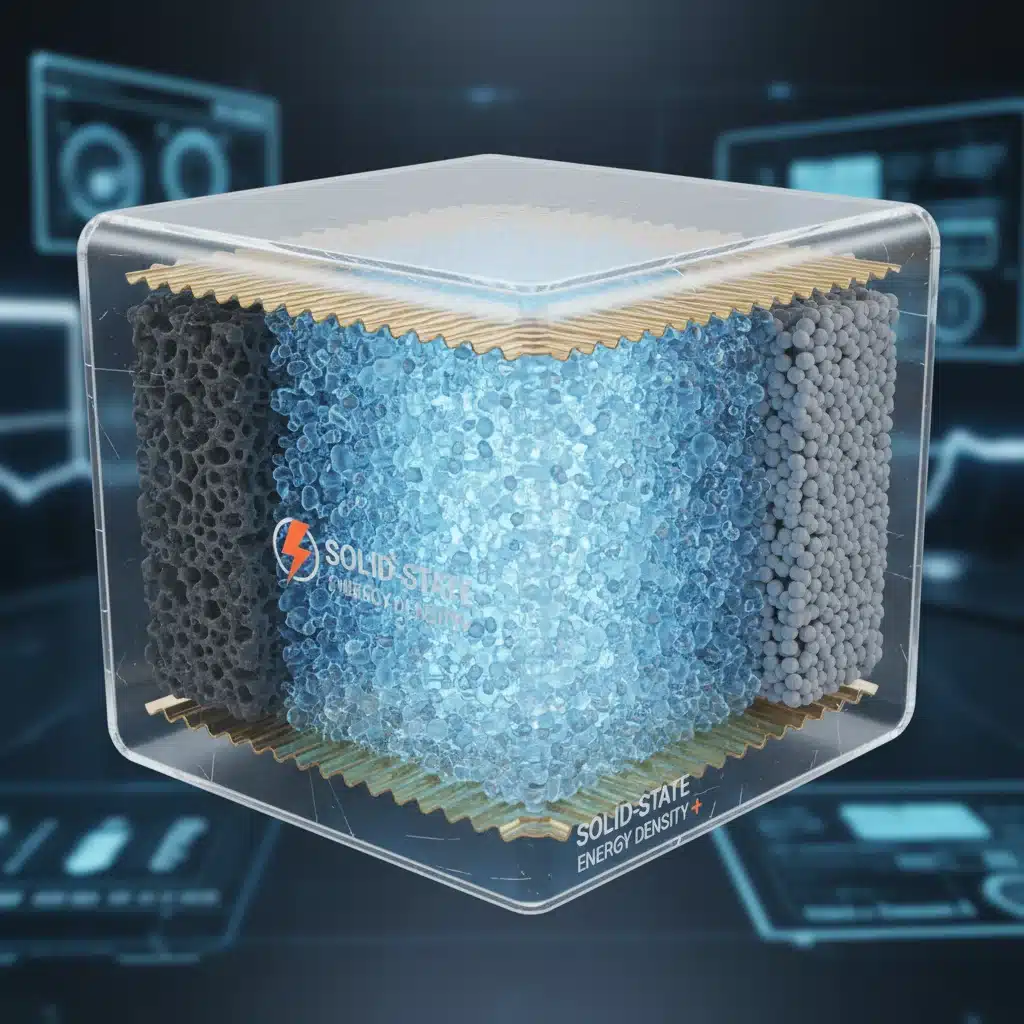
The US Energy Storage Market in 2026: A Forecast
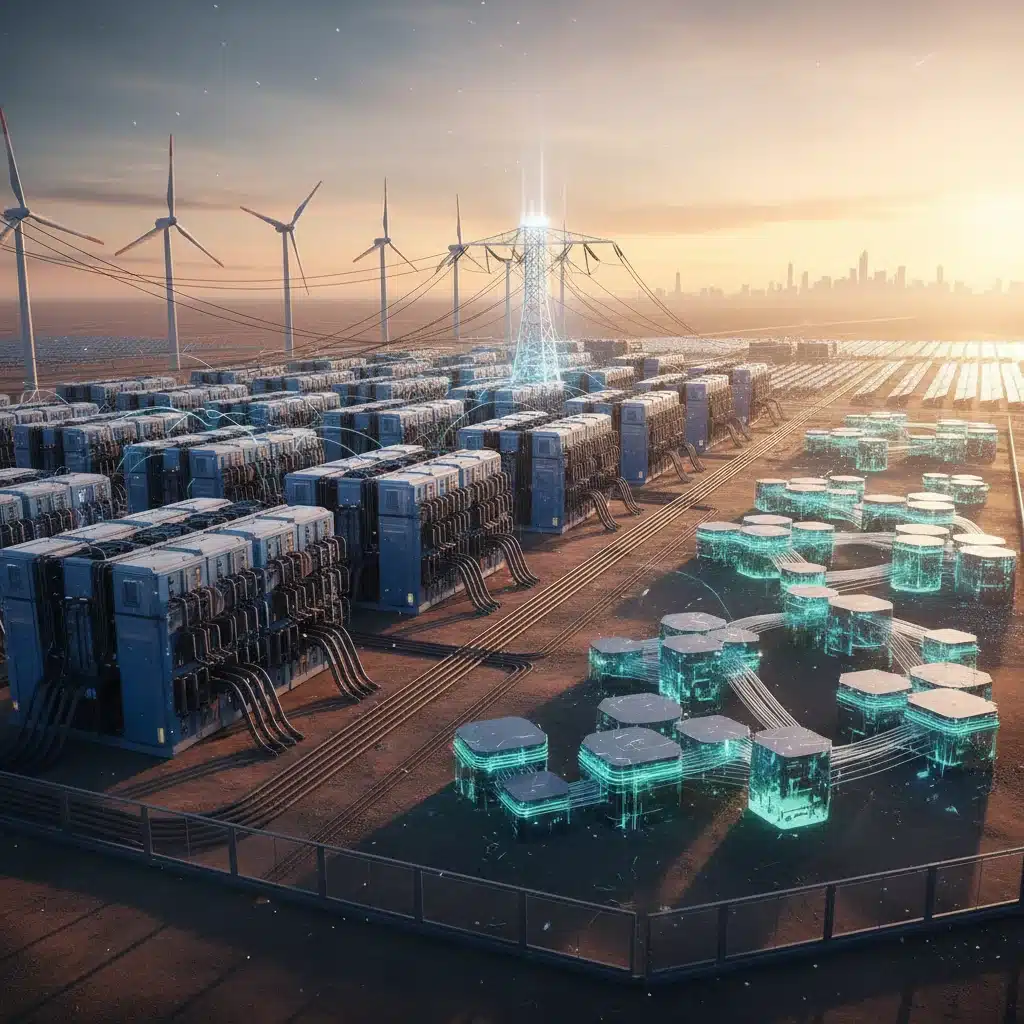
Considering the current state of development, market trends, and technological hurdles, it is highly probable that LFP batteries will continue to dominate the US energy storage market in 2026, particularly for grid-scale and commercial applications. Their established supply chains, lower cost, proven safety, and excellent cycle life make them the pragmatic choice for rapid deployment.
LFP’s Continued Dominance in Grid and Commercial Storage
For utility-scale energy storage, which requires massive capacities and cost-effectiveness, LFP batteries are the clear front-runner. The US is investing heavily in grid modernization and renewable energy integration, and LFP offers the most viable solution for storing intermittent solar and wind power. Similarly, for commercial and industrial applications, LFP’s balance of cost, safety, and performance will ensure its continued prevalence. The ongoing expansion of LFP manufacturing capabilities, both domestically and internationally, will further solidify its market position.
Solid-State Batteries: Niche Applications and Rapid Development
While LFP will dominate in terms of sheer volume and installed capacity, solid-state batteries will undoubtedly make significant strides by 2026. They will likely begin to penetrate high-value niche markets, such as premium electric vehicles, specialized aerospace applications, and potentially military uses, where their superior energy density and safety justify the higher cost. We can expect to see pilot projects and early commercial deployments demonstrating the capabilities of solid-state technology, but widespread adoption across all segments of US energy storage is unlikely by this timeframe.
The Role of Government Policy and Investment
Government policies and incentives will play a crucial role in shaping the trajectory of both LFP and solid-state batteries. The US Inflation Reduction Act (IRA), for instance, provides significant tax credits for domestic battery manufacturing and renewable energy deployment, which could accelerate the establishment of LFP production facilities within the US. For solid-state batteries, government funding for R&D and pilot programs will be essential to overcome the remaining technical and economic barriers. Policies promoting grid resilience and EV adoption will create a robust demand for both technologies, fostering innovation and competition.
Strategic Implications for the US Energy Sector
The dominance of LFP batteries in the near term has several strategic implications for the US energy sector. It suggests a focus on practical, scalable solutions that can be rapidly deployed to meet immediate energy storage needs. The emphasis on LFP also contributes to greater supply chain security, especially as more LFP production moves onshore or to allied nations, reducing reliance on single-source suppliers.
However, the rapid development of solid-state batteries cannot be ignored. The US must continue to invest heavily in solid-state research and development to ensure it remains at the forefront of battery innovation. While LFP provides the immediate solution, solid-state batteries represent the long-term vision for ultimate energy density, safety, and performance. A balanced approach, leveraging the strengths of LFP for current needs while aggressively pursuing solid-state advancements, will be key to securing US leadership in the global energy transition.
Conclusion: A Dual Path to Energy Independence
By 2026, the US energy storage landscape will likely be characterized by the continued and expanded dominance of LFP batteries for utility-scale and commercial applications, driven by their compelling cost-effectiveness, safety, and proven reliability. They will serve as the backbone of the rapidly expanding renewable energy infrastructure, enabling grid stability and supporting the electrification of transportation and industry.
Simultaneously, solid-state batteries will be on a steep upward trajectory, moving from laboratory breakthroughs to early commercialization in high-performance niches. Their revolutionary potential in terms of energy density and ultimate safety will make them the technology to watch, setting the stage for broader market penetration in the years beyond 2026. The journey towards a fully sustainable and energy-independent future for the US will not be dominated by a single technology, but rather by the strategic deployment and continuous evolution of both LFP and solid-state batteries, each playing a critical, complementary role in our energy revolution.
The synergy between these two powerful battery technologies, combined with strategic investments and supportive policies, will ultimately drive the US towards a cleaner, more resilient, and more efficient energy future.