Geothermal Energy 2026: Cut Heating Bills 40% Annually – Your Practical Guide
Anúncios
Unlocking Geothermal Energy in 2026: A Practical Guide to Reducing Heating Bills by 40% Annually
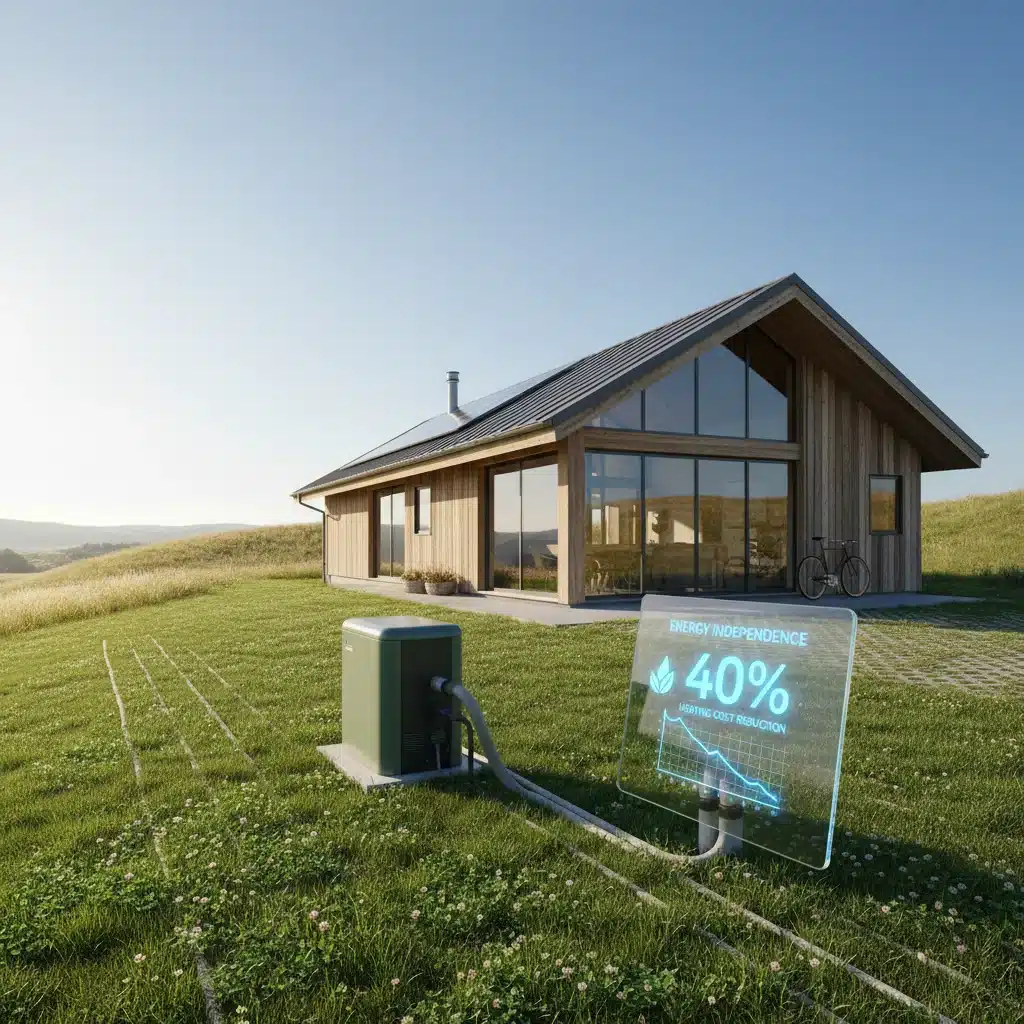
Are you tired of escalating heating bills that seem to drain your wallet every winter? Imagine a world where your home stays comfortably warm, not at the mercy of volatile fossil fuel prices, but powered by the stable, consistent energy of the earth beneath your feet. This isn’t a futuristic fantasy; it’s the tangible reality of geothermal heating savings, a technology poised to revolutionize home energy consumption in 2026. For homeowners seeking a sustainable, cost-effective, and environmentally friendly solution, geothermal energy offers an unparalleled opportunity to reduce heating bills by an astonishing 40% or more annually. This comprehensive guide will delve into the practicalities of adopting geothermal energy, ensuring you have all the information needed to make an informed decision and embrace a future of significant savings and comfort.
The quest for energy independence and lower utility costs has never been more pressing. As global energy markets fluctuate and environmental concerns grow, homeowners are increasingly looking for alternatives to traditional heating methods like natural gas, oil, or propane. Geothermal heat pumps (GHPs) stand out as a superior choice, harnessing the constant temperature of the earth to provide efficient heating and cooling for your home. Unlike air-source heat pumps that rely on ambient air temperatures, GHPs tap into the earth’s stable temperature, which remains relatively constant year-round, regardless of surface weather conditions. This inherent stability is the secret to their exceptional efficiency and the substantial geothermal heating savings they deliver.
In 2026, advancements in geothermal technology, coupled with evolving government incentives and a greater public awareness of sustainable living, make this the opportune moment to consider an upgrade. This article aims to demystify geothermal energy, breaking down its components, benefits, installation process, and the financial implications, including potential rebates and tax credits. By the end, you’ll understand why investing in geothermal heating is not just an expense, but a wise, long-term investment that pays dividends in both financial savings and environmental stewardship.
Understanding Geothermal Energy: The Earth’s Natural HVAC System
At its core, geothermal energy leverages the earth’s natural thermal properties. Just a few feet below the surface, the ground maintains a relatively constant temperature, typically between 45°F and 75°F (7°C and 24°C), depending on your geographic location. This stable temperature acts as a heat source in winter and a heat sink in summer, making it an ideal medium for heat exchange. A geothermal heat pump system transfers heat to or from the earth, providing highly efficient heating, cooling, and often hot water for your home.
How Geothermal Heat Pumps Work: A Simple Explanation
The operation of a GHP is surprisingly straightforward, relying on a few key components:
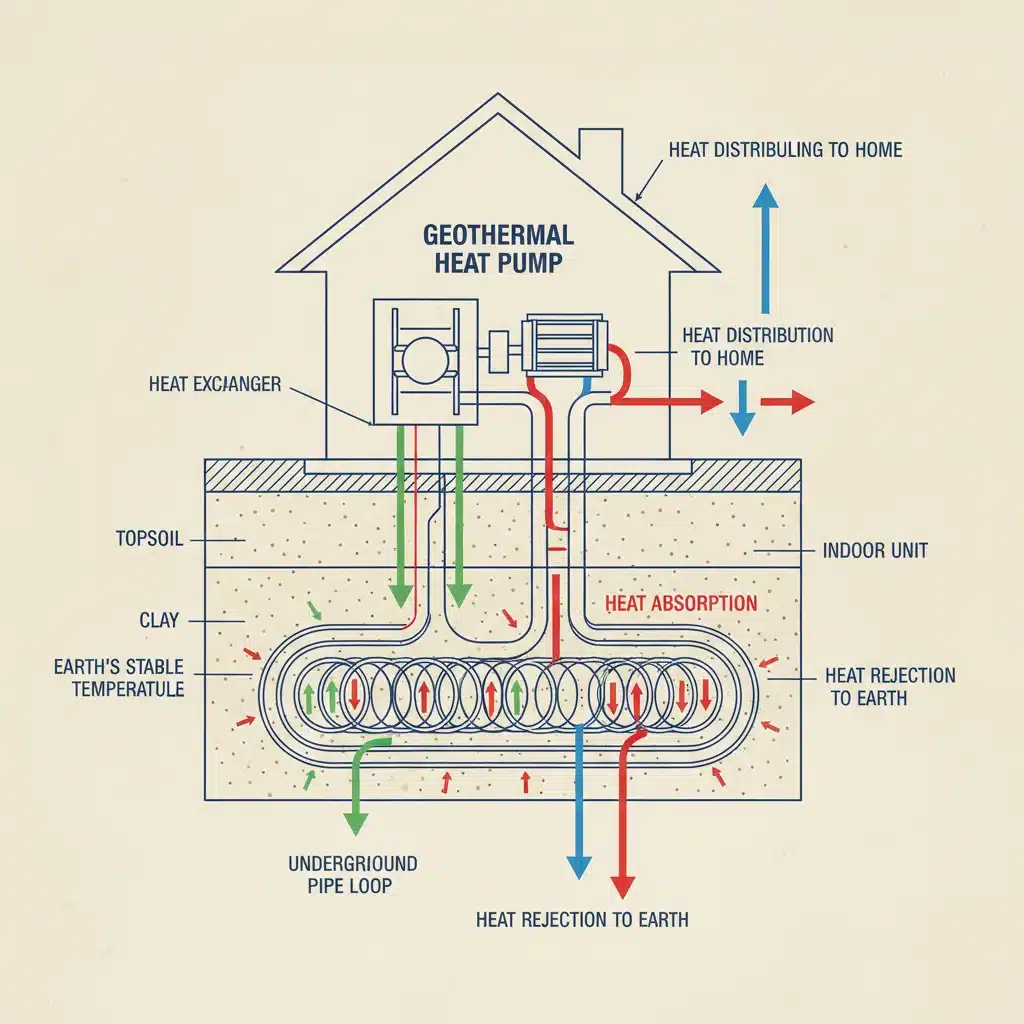
- Ground Loop (Earth Loop): This is a network of buried pipes, usually made of high-density polyethylene, through which a mixture of water and antifreeze circulates. In winter, this fluid absorbs heat from the warmer earth and carries it to the heat pump. In summer, the process reverses: the fluid absorbs heat from your home and transfers it to the cooler earth.
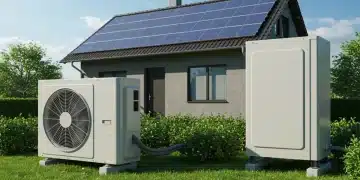
- Geothermal Heat Pump Unit: Located inside your home, this unit is similar to a conventional air conditioner or furnace, but it exchanges heat with the ground loop fluid instead of outdoor air. It uses a small amount of electricity to compress and expand a refrigerant, amplifying the absorbed heat for distribution throughout your home via ductwork, or extracting heat from your home and releasing it into the ground.
- Heat Distribution System: This typically involves your home’s existing ductwork to circulate heated or cooled air. Some systems can also be integrated with radiant floor heating or domestic hot water systems.
The beauty of this system lies in its efficiency. Instead of generating heat by burning fuel, a GHP merely moves existing heat, which requires significantly less energy. This fundamental difference is why GHPs can achieve efficiencies ranging from 300% to 500%, meaning for every unit of electricity consumed, they deliver 3 to 5 units of heating or cooling energy. This translates directly into substantial geothermal heating savings.
The Economic Advantage: Why 2026 is the Year for Geothermal Heating Savings
The promise of reducing heating bills by 40% annually isn’t an exaggeration; it’s a conservative estimate for many homeowners transitioning from less efficient systems. Several factors contribute to the compelling economic case for geothermal energy in 2026.
Long-Term Cost Savings and Return on Investment
While the initial installation cost of a geothermal system can be higher than traditional HVAC systems, the long-term savings are undeniable. Geothermal systems have significantly lower operating costs due to their efficiency. Over the lifespan of the system (which can be 20-25 years for the indoor unit and 50+ years for the ground loop), these savings accumulate, leading to a strong return on investment (ROI). Many homeowners find their systems pay for themselves within 5-10 years, sometimes even sooner with generous incentives.
Reduced Maintenance and Extended Lifespan
Geothermal systems are renowned for their durability and low maintenance requirements. The ground loops are buried underground, protected from harsh weather and vandalism, giving them an exceptionally long lifespan. The indoor components, while similar to conventional HVAC, experience less wear and tear because they operate in a more stable environment. This translates to fewer repair costs and a longer operational life, further enhancing your geothermal heating savings.
Increased Home Value
A geothermal system is a significant upgrade that adds tangible value to your property. As energy efficiency becomes a top priority for homebuyers, a home equipped with a state-of-the-art geothermal system is a highly attractive asset. Appraisers often recognize the value of these systems, contributing to a higher resale price.
Protection Against Volatile Energy Prices
Unlike fossil fuels, which are subject to global market fluctuations, the earth’s temperature is a free and stable energy source. By relying on geothermal, you significantly reduce your dependence on external energy markets, insulating yourself from unpredictable price hikes and ensuring more stable, predictable utility bills. This stability is a key component of long-term geothermal heating savings.
Installation Process: What to Expect
The installation of a geothermal system is a significant undertaking, but it’s a well-established process performed by certified professionals. Understanding the steps involved can help you prepare.
Site Assessment and Design
The first step involves a thorough assessment of your property by a qualified geothermal installer. They will evaluate your home’s energy needs, soil conditions, available land area, and local regulations. Based on this, they will design the most appropriate ground loop configuration for your site.
Ground Loop Installation
There are several types of ground loops, each with its own installation method:
- Horizontal Loops: These are typically installed in trenches 4-6 feet deep. They require more land area but are generally less expensive to install than vertical loops.
- Vertical Loops: These involve drilling boreholes 150-400 feet deep. They are ideal for properties with limited land space or challenging soil conditions, but installation costs can be higher due to drilling.
- Pond/Lake Loops: If your property has a suitable body of water, a closed loop can be submerged at the bottom, offering a cost-effective option.
- Open Loops (Well Systems): These systems draw groundwater from a well, extract heat, and then return the water to a different well or discharge it into a surface body of water. They are highly efficient but depend on adequate groundwater availability and local regulations.
The choice of loop depends on your specific site and budget. The ground loop installation is the most disruptive part of the process, but once completed, it’s largely out of sight and maintenance-free for decades.
Indoor Unit Installation and Integration
Once the ground loop is in place, the indoor geothermal heat pump unit is installed. This unit connects to the ground loop on one side and your home’s existing ductwork on the other. A certified HVAC technician will ensure proper sizing, connection, and testing of the entire system. This phase also includes integrating any hot water desuperheaters if you opt for that feature.
Government Incentives and Rebates for Geothermal Energy in 2026
The initial investment for a geothermal system can be substantial, often ranging from $20,000 to $45,000 or more, depending on the system size, ground loop type, and regional labor costs. However, this is where government incentives and rebates play a crucial role in making geothermal energy more accessible and affordable, significantly boosting your potential geothermal heating savings.
Federal Tax Credits
In the United States, homeowners can benefit from a significant federal tax credit for installing qualified geothermal heat pump systems. The Inflation Reduction Act of 2022 extended and enhanced this credit, offering 30% of the cost of the system, including equipment and installation, with no cap. This credit is available for systems placed in service through 2032, making 2026 an excellent year to take advantage.
State and Local Programs
Beyond federal incentives, many states, municipalities, and even utility companies offer additional rebates, grants, or loan programs for geothermal installations. These can vary widely by location but can further reduce your out-of-pocket expenses. It’s crucial to research what’s available in your specific area. Websites like the Database of State Incentives for Renewables & Efficiency (DSIRE) are excellent resources for finding local programs.
Financing Options
Various financing options are available to help homeowners manage the upfront cost. These can include:
- Green Loans: Specialized loans with favorable terms for energy-efficient home improvements.
- Property Assessed Clean Energy (PACE) Programs: Available in some areas, PACE programs allow homeowners to finance energy-efficient upgrades through an assessment on their property tax bill.
- Home Equity Loans/Lines of Credit: Utilizing your home’s equity can be a way to fund the installation.
Combining these incentives and financing options can drastically reduce the net cost of your geothermal system, accelerating your payback period and maximizing your geothermal heating savings.
Beyond Savings: Environmental and Comfort Benefits
While financial savings are a primary driver, geothermal energy offers a host of other benefits that contribute to a higher quality of life and a healthier planet.
Environmental Stewardship
Geothermal systems are among the most environmentally friendly heating and cooling options available. They:
- Reduce Greenhouse Gas Emissions: By using the earth’s natural heat, GHPs significantly reduce the need for fossil fuels, lowering your carbon footprint.
- Consume Less Electricity: Although they use electricity to operate, their high efficiency means they consume far less than conventional electric heating or cooling systems. If your electricity comes from renewable sources, your system can be virtually carbon-neutral.
- No On-Site Combustion: Unlike furnaces, GHPs do not burn fuel on-site, eliminating emissions of carbon monoxide and other harmful pollutants in and around your home.
Superior Comfort and Indoor Air Quality
Geothermal systems provide exceptionally consistent and comfortable heating and cooling. They avoid the hot and cold spots often associated with traditional systems, delivering an even temperature throughout your home. Furthermore:
- Quiet Operation: Since the primary heat exchange occurs underground and the indoor unit is designed for quiet operation, geothermal systems are much quieter than outdoor air conditioners or furnaces.
- Improved Air Quality: GHPs do not introduce combustion byproducts or open flames into your home. They also often feature advanced filtration, leading to cleaner indoor air.
- Dehumidification: During cooling cycles, geothermal systems effectively remove humidity from the air, enhancing comfort and preventing mold growth.
These benefits, combined with the significant geothermal heating savings, paint a compelling picture for homeowners considering this advanced technology.
Choosing the Right Geothermal System and Installer
Making the switch to geothermal is a significant decision, and selecting the right system and installer is crucial for optimal performance and long-term satisfaction.
Key Considerations for System Selection
- Home Size and Energy Needs: A proper load calculation is essential to size the system correctly. An undersized system won’t keep your home comfortable, while an oversized one will be less efficient and more expensive.
- Climate: While geothermal works well in all climates, your specific region might influence the optimal ground loop design.
- Existing Ductwork: Assess the condition and sizing of your current ductwork. It may need modifications or upgrades to work efficiently with a geothermal system.
- Hot Water Needs: Consider adding a desuperheater or a dedicated hot water generator to your geothermal system to provide highly efficient domestic hot water.
Finding a Qualified Geothermal Installer
This is perhaps the most critical step. Look for installers who:
- Are Certified: Ensure they are certified by organizations like the International Ground Source Heat Pump Association (IGSHPA) or other reputable industry bodies.
- Have Extensive Experience: Ask for references and examples of past geothermal installations.
- Offer Comprehensive Services: They should handle everything from site assessment and design to installation, commissioning, and post-installation support.
- Provide Detailed Quotes: A transparent quote should break down all costs, including equipment, labor, drilling/excavation, and any necessary electrical or plumbing work.
- Understand Incentives: A good installer will be knowledgeable about federal, state, and local incentives and can help you navigate the application process to maximize your geothermal heating savings.
Don’t hesitate to get multiple quotes and ask plenty of questions. A reputable installer will be happy to educate you and address your concerns.
Addressing Common Concerns and Misconceptions
Despite its numerous benefits, some homeowners may have reservations about geothermal energy. Let’s address a few common ones.
“Is it too expensive?”
As discussed, the upfront cost can be high, but the long-term geothermal heating savings, combined with incentives and financing, make it a financially sound investment for many. When you factor in the extended lifespan and low maintenance, the total cost of ownership is often lower than traditional systems.
“Will it damage my yard?”
Ground loop installation does involve excavation or drilling, which will temporarily disturb your yard. However, reputable installers take great care to minimize disruption and restore the landscaping afterward. Once the ground loop is buried, there’s no visible evidence of the system, and your yard can be fully restored to its previous condition.
“Is it effective in extreme climates?”
Absolutely. Geothermal systems excel in extreme climates because they rely on the stable temperature of the earth, which is unaffected by surface air temperature swings. Whether it’s scorching summer or freezing winter, the earth provides a consistent heat source or sink, making geothermal highly efficient year-round.
“Is it complicated to operate?”
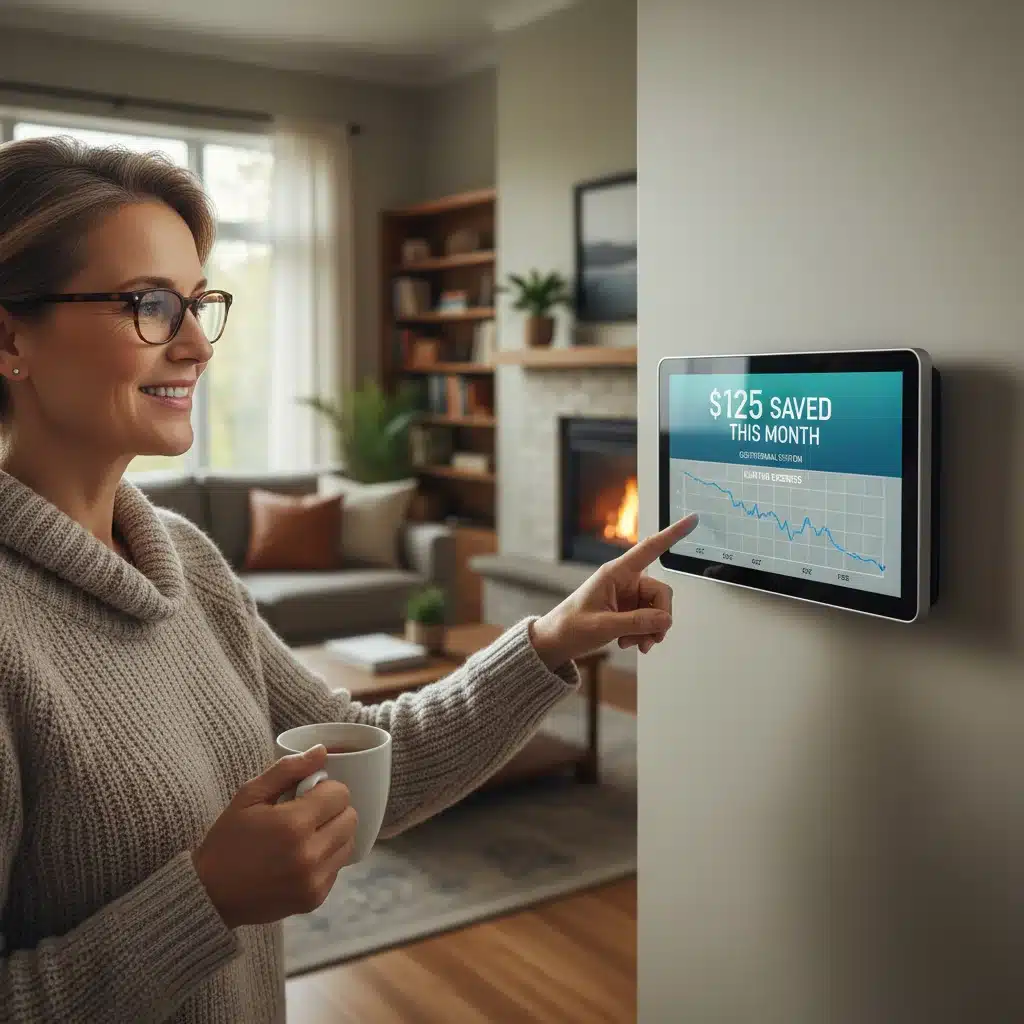
From a homeowner’s perspective, operating a geothermal system is no different than a conventional HVAC system. You set your desired temperature on a thermostat, and the system does the rest. The complexity lies in the installation, not in the daily use.
The Future of Home Heating: Embracing Geothermal in 2026
As we look towards 2026 and beyond, the imperative for sustainable and efficient home energy solutions will only grow stronger. Geothermal energy stands at the forefront of this movement, offering a proven technology that delivers substantial geothermal heating savings, environmental benefits, and superior indoor comfort. The combination of technological advancements, robust government incentives, and increasing consumer awareness creates a perfect storm for widespread adoption.
By investing in geothermal heating, you’re not just upgrading your home’s HVAC system; you’re making a commitment to a more sustainable lifestyle, reducing your carbon footprint, and securing your financial future against unpredictable energy costs. Imagine saving 40% on your heating bills year after year, enjoying a consistently comfortable home, and knowing you’re contributing to a healthier planet. This vision is within reach for homeowners willing to explore the power of the earth beneath their feet.
Take the first step today by researching qualified geothermal installers in your area and inquiring about the incentives available to you. The journey to significant geothermal heating savings and a greener home begins with a single conversation. In 2026, let the earth work for you, providing comfort, savings, and peace of mind for decades to come.