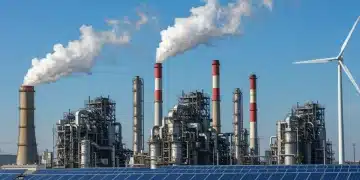
EPA 2026 Emission Standards: Industrial Energy Consumption Reshaped
Anúncios
Expert Insights: How New EPA Emission Standards for 2026 Will Reshape Industrial Energy Consumption
The landscape of industrial operations in the United States is on the cusp of a significant transformation. With the impending implementation of new EPA emission standards for 2026, industries across various sectors are bracing for changes that will profoundly reshape their energy consumption practices. These updated regulations, driven by a global imperative to combat climate change and improve air quality, are not merely a compliance hurdle but a powerful catalyst for innovation, efficiency, and sustainable growth. Understanding the nuances of these standards, their potential impacts, and the strategic responses required is crucial for businesses aiming to navigate the future successfully.
For decades, industrial activities have been a major contributor to greenhouse gas emissions and air pollutants. The Environmental Protection Agency (EPA) has consistently worked to mitigate these impacts through a series of regulations. The 2026 standards represent a tightening of these controls, specifically targeting emissions from power plants, manufacturing facilities, and other heavy industries. The primary goal is to reduce airborne pollutants like nitrogen oxides (NOx), sulfur dioxide (SO2), particulate matter (PM), and, increasingly, carbon dioxide (CO2) and methane (CH4), which are potent greenhouse gases. This article delves into the specifics of these new EPA emission standards, offering expert insights into their implications for industrial energy consumption, the challenges they present, and the myriad opportunities they unlock for forward-thinking enterprises.
Understanding the New EPA Emission Standards for 2026
The upcoming EPA emission standards for 2026 are a comprehensive set of regulations designed to enhance environmental protection and public health. These standards build upon existing frameworks such as the Clean Air Act but introduce more stringent limits and broader scopes. Key areas of focus include:
- Power Sector Emissions: Expect tighter controls on fossil fuel-fired power plants, pushing for greater adoption of carbon capture technologies, increased reliance on renewable energy sources, and enhanced efficiency measures. The goal is to significantly reduce CO2, NOx, and SO2 emissions from this sector, which remains a substantial contributor to overall emissions.
- Industrial Processes: Manufacturing, chemical production, cement kilns, and other heavy industries will face stricter limits on various pollutants. This will necessitate investments in cleaner production technologies, process optimization, and potentially a shift towards less carbon-intensive raw materials.
- Methane Regulations: A significant emphasis is placed on reducing methane emissions, particularly from the oil and gas sector. Methane is a potent greenhouse gas, and its reduction is seen as a critical, near-term climate action.
- Reporting and Monitoring: Enhanced requirements for monitoring, reporting, and verification of emissions data will likely be introduced, ensuring greater transparency and accountability.
These standards are not uniform across all industries but are tailored to specific sectors based on their emission profiles and technological feasibility. However, the overarching theme is a strong push towards decarbonization and sustainable industrial practices. Businesses must begin now to assess their current emission footprints and identify areas where adjustments will be necessary to meet the 2026 deadlines. Proactive engagement with these new EPA emission standards is not just about avoiding penalties; it’s about positioning for future competitiveness.
Impact on Industrial Energy Consumption: A Paradigm Shift
The most direct consequence of the new EPA emission standards will be a fundamental shift in how industries consume energy. The days of unrestricted, carbon-intensive energy use are drawing to a close. Here’s how industrial energy consumption is expected to be reshaped:
Increased Demand for Renewable Energy
As traditional fossil fuels become more heavily regulated and potentially more expensive due to compliance costs, there will be an accelerated shift towards renewable energy sources. Industries will increasingly seek to power their operations with solar, wind, hydro, and geothermal energy. This transition will involve:
- On-site Renewable Generation: Many industrial facilities will invest in their own solar panel arrays or wind turbines to generate clean electricity directly.
- Power Purchase Agreements (PPAs): Companies will enter into PPAs with renewable energy developers to source clean electricity from off-site projects.
- Grid Decarbonization: The broader electricity grid will continue its transition away from fossil fuels, making grid-supplied electricity inherently cleaner over time.
Enhanced Energy Efficiency Measures
Reducing energy consumption directly translates to lower emissions. The new EPA emission standards will provide a strong incentive for industries to double down on energy efficiency initiatives. This includes:
- Process Optimization: Re-engineering industrial processes to reduce energy input for the same output. This could involve advanced automation, heat recovery systems, and waste energy utilization.
- Equipment Upgrades: Investing in more energy-efficient machinery, motors, boilers, and lighting systems.
- Smart Energy Management Systems: Implementing advanced monitoring and control systems to optimize energy use in real-time, identify inefficiencies, and predict maintenance needs.
- Building Envelope Improvements: For facilities with significant heating or cooling needs, improving insulation, windows, and HVAC systems can lead to substantial energy savings.
Adoption of Low-Carbon Technologies
Beyond renewables and efficiency, the standards will drive the adoption of innovative low-carbon technologies:
- Carbon Capture, Utilization, and Storage (CCUS): For industries where emissions are hard to abate, CCUS technologies will become increasingly vital. This involves capturing CO2 from industrial sources and either utilizing it or storing it permanently underground.
- Electrification of Industrial Processes: Replacing fossil fuel-fired equipment (e.g., furnaces, boilers) with electric alternatives powered by clean electricity.
- Hydrogen as a Fuel: Exploring green hydrogen (produced using renewable electricity) as a clean fuel for high-temperature industrial processes or heavy transport.
Supply Chain Considerations
The impact of EPA emission standards will not be confined to individual facilities. Companies will increasingly scrutinize their supply chains, favoring suppliers who demonstrate strong environmental performance and adherence to similar sustainability goals. This ripple effect will accelerate the greening of entire industrial ecosystems.

Challenges and Opportunities for Industries
While the new EPA emission standards present undeniable challenges, they also unlock significant opportunities for industries willing to adapt and innovate.
Key Challenges
- Capital Investment: Meeting new standards often requires substantial upfront investment in new equipment, technologies, and infrastructure. Small and medium-sized enterprises (SMEs) may find this particularly challenging.
- Technological Readiness: Some low-carbon technologies are still nascent or not yet widely scalable, posing a risk for early adopters.
- Operational Adjustments: Integrating new processes and technologies can disrupt existing operations, requiring significant planning, training, and change management.
- Competitive Disadvantage (Perceived): Some industries might fear that stringent regulations could place them at a disadvantage compared to international competitors operating under less strict rules.
- Regulatory Complexity: Navigating the intricacies of new regulations, permitting processes, and reporting requirements can be complex and resource-intensive.
Emerging Opportunities
- Cost Savings: Investments in energy efficiency and renewable energy can lead to long-term operational cost savings as energy prices fluctuate and carbon taxes potentially increase.
- Innovation and R&D: The need to comply will spur innovation in clean technologies, materials science, and process engineering, creating new markets and competitive advantages.
- Enhanced Brand Reputation: Companies demonstrating a strong commitment to environmental sustainability can enhance their brand image, attract environmentally conscious customers, and improve investor relations.
- New Market Access: As green procurement becomes more prevalent, companies with strong environmental credentials may gain access to new markets and supply chain opportunities.
- Talent Attraction and Retention: A commitment to sustainability can help attract and retain top talent, particularly among younger generations who prioritize working for environmentally responsible organizations.
- Reduced Regulatory Risk: Proactive compliance can mitigate future regulatory risks, penalties, and potential litigation.
Strategic Approaches for Industrial Adaptation
To successfully navigate the new EPA emission standards, industries need to adopt a proactive and strategic approach. Here are key strategies:
1. Comprehensive Emissions Audit and Baseline Assessment
The first step is to understand your current emission footprint. Conduct a thorough audit of all direct and indirect emissions (Scope 1, 2, and 3) across all operations. Establish a clear baseline against which future progress can be measured. This will help identify the largest sources of emissions and prioritize areas for intervention. Utilize advanced data analytics to track energy consumption patterns and pinpoint inefficiencies.
2. Develop a Decarbonization Roadmap
Based on the audit, create a detailed decarbonization roadmap with clear, measurable goals and timelines. This roadmap should outline specific projects, technologies, and investments required to meet the 2026 EPA emission standards and beyond. Consider both short-term wins (e.g., energy efficiency upgrades) and long-term strategic shifts (e.g., transition to renewable energy sources, CCUS implementation).
3. Invest in Energy Efficiency and Conservation
This is often the most cost-effective way to reduce emissions. Focus on:
- Process Optimization: Implement lean manufacturing principles, optimize chemical reactions, and improve heat recovery.
- Equipment Modernization: Upgrade to high-efficiency motors, variable frequency drives, LED lighting, and energy-efficient HVAC systems.
- Waste Reduction: Minimize material waste, as its production and disposal are energy-intensive.
4. Transition to Renewable Energy Sources
Explore options for sourcing clean energy:
- On-site Generation: Install solar panels, small wind turbines, or explore geothermal options where feasible.
- Off-site PPAs: Secure long-term contracts for renewable energy from utility-scale projects.
- Green Tariffs: Work with utility providers to access electricity from renewable sources.
5. Explore and Implement Low-Carbon Technologies
Research and pilot advanced technologies relevant to your sector:
- Carbon Capture: Assess the viability of CCUS for your facility, especially for hard-to-abate emissions.
- Electrification: Identify processes that can be electrified and powered by renewable energy.
- Alternative Fuels: Investigate the use of green hydrogen or sustainable biofuels.
6. Engage with Policy Makers and Industry Associations
Stay informed about evolving regulations and participate in industry discussions. Lobby for supportive policies, incentives, and research funding that can aid the transition. Collaborate with peers to share best practices and collectively address challenges posed by the EPA emission standards.
7. Foster a Culture of Sustainability
Embed sustainability into your corporate culture. Educate employees about the importance of emission reduction and energy efficiency. Encourage innovation from within and reward sustainable practices. A top-down commitment combined with bottom-up engagement is crucial for successful implementation.
8. Leverage Financial Incentives and Funding
Research available government grants, tax credits, and low-interest loans designed to support investments in clean energy and emission reduction technologies. Many states and federal programs offer significant financial incentives to help industries comply with environmental regulations and transition to cleaner operations.
Case Studies and Real-World Examples
Across various sectors, companies are already making significant strides in anticipation of or in response to tightening environmental regulations. For instance, several major steel manufacturers are investing heavily in electric arc furnaces (EAFs) powered by renewable energy, drastically reducing their carbon footprint compared to traditional blast furnaces. Chemical companies are redesigning processes to use less energy and produce fewer hazardous byproducts. The automotive industry is rapidly transitioning to electric vehicle production, which, while focusing on vehicle emissions, also drives demand for cleaner industrial processes in battery manufacturing and component supply.
These examples highlight that while the path to compliance with new EPA emission standards requires effort, it is achievable and can lead to competitive advantages. Companies that embrace these changes early are often the ones that emerge as leaders in their respective fields, setting benchmarks for sustainability and operational excellence.
The Broader Economic and Environmental Implications
The new EPA emission standards are not just about individual companies; they have far-reaching economic and environmental implications. Environmentally, the benefits are clear: cleaner air, reduced greenhouse gas concentrations, and a slower pace of climate change. This leads to improved public health, reduced healthcare costs, and protection of ecosystems.
Economically, while there are initial investment costs, the long-term benefits include job creation in green industries, increased energy independence, and the potential for new technological exports. Industries that innovate to meet these standards will be better positioned in a global economy that is increasingly valuing sustainability. Failure to adapt, conversely, could lead to significant financial penalties, competitive disadvantages, and reputational damage.
Conclusion: A Sustainable Future for Industrial Energy
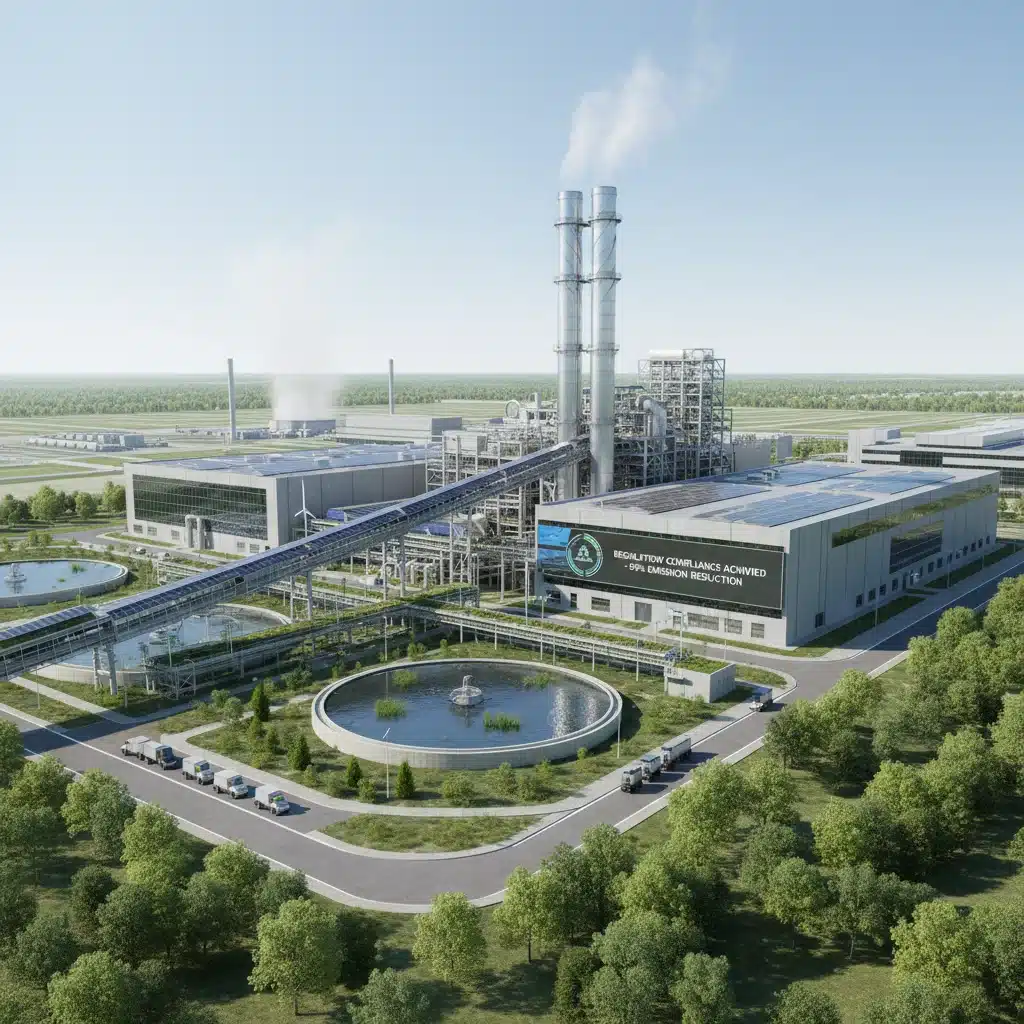
The new EPA emission standards for 2026 represent a pivotal moment for industrial energy consumption. They signal a clear direction towards a more sustainable, efficient, and environmentally responsible industrial sector. While the journey will undoubtedly present challenges, the opportunities for innovation, cost savings, and enhanced competitiveness are substantial. Businesses that proactively assess their operations, invest in clean technologies and energy efficiency, and embed sustainability into their core strategy will not only comply with the regulations but will also thrive in the evolving economic landscape.
The future of industrial energy consumption is one characterized by lower emissions, greater efficiency, and a stronger commitment to environmental stewardship. By embracing these changes, industries can play a crucial role in building a healthier planet and securing a prosperous future for all. The time to act is now, to transform these regulatory requirements into strategic advantages and lead the charge towards a greener industrial revolution.