Home Energy Storage: 2026 Battery Innovations for 30% More Efficiency

Anúncios
The Future is Now: Unlocking 30% More Home Battery Efficiency by 2026
The quest for energy independence and sustainable living has never been more pressing. As global energy demands soar and the urgency of climate change becomes undeniable, homeowners are increasingly turning to renewable energy sources, primarily solar. However, the true potential of solar power is only realized when coupled with efficient energy storage solutions. For years, lithium-ion batteries have been the cornerstone of home energy storage, but the landscape is rapidly evolving. We are on the cusp of a revolution, with 2026 poised to be a landmark year for home battery efficiency, promising advancements that could boost performance by a staggering 30% or more. This article delves into the groundbreaking innovations set to redefine how we store and utilize energy in our homes, focusing on the critical developments contributing to enhanced home battery efficiency.
Imagine a world where your home seamlessly powers itself, drawing from stored solar energy even after the sun sets, with minimal waste and maximum reliability. This vision is rapidly becoming a reality, driven by relentless research and development in battery technology. The focus is not just on increasing capacity but, more importantly, on improving home battery efficiency – how much of the stored energy can actually be used, and how quickly and safely it can be cycled. By 2026, these advancements will not only offer significant financial savings but also provide unparalleled energy security, making homes more resilient to grid outages and fluctuating energy prices. Let’s explore the key areas of innovation that are shaping this exciting future.
Next-Generation Battery Chemistries: Beyond Lithium-Ion
While lithium-ion batteries have served us well, their limitations in terms of cost, safety, and raw material availability are driving the search for alternatives. By 2026, several next-generation battery chemistries are expected to mature, offering superior home battery efficiency and performance. These innovations are crucial for achieving the ambitious 30% efficiency boost.
Solid-State Batteries: The Holy Grail of Energy Storage
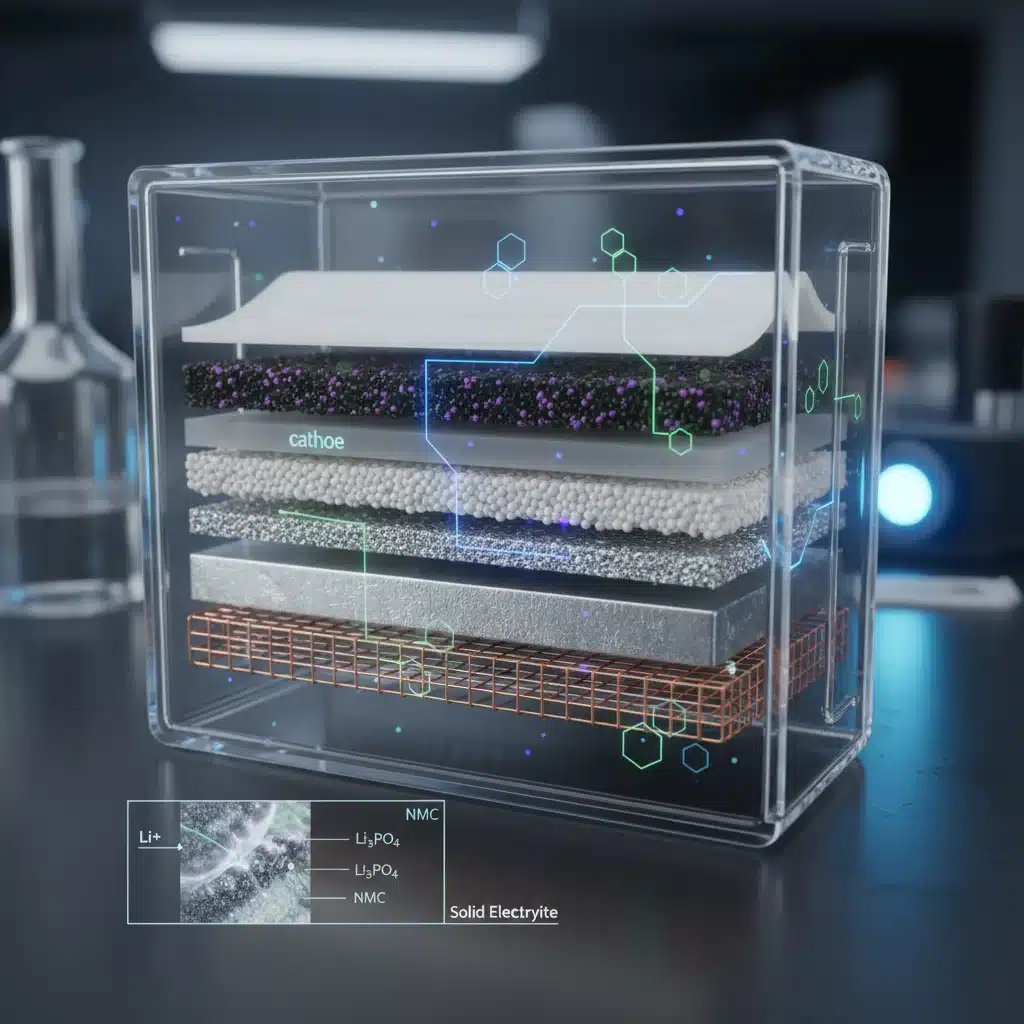
Perhaps the most anticipated breakthrough is the commercialization of solid-state batteries. Unlike traditional lithium-ion batteries that use liquid or gel electrolytes, solid-state batteries employ solid electrodes and solid electrolytes. This fundamental change offers numerous advantages:
- Enhanced Safety: Eliminating flammable liquid electrolytes drastically reduces the risk of thermal runaway and fires, a significant concern with current lithium-ion technology.
- Higher Energy Density: Solid-state batteries can pack more energy into a smaller volume, meaning more storage capacity for your home without increasing the physical footprint of the battery unit. This directly contributes to better home battery efficiency by maximizing storage potential.
- Longer Lifespan: The stable nature of solid electrolytes can lead to significantly longer cycle lives, meaning your battery system will last for more years, providing a better return on investment.
- Faster Charging/Discharging: Some solid-state designs promise quicker charge and discharge rates, allowing for more dynamic energy management and rapid response to grid demands or solar fluctuations.
Companies are investing heavily in solid-state technology, and while full-scale residential deployment might take a few more years post-2026, significant advancements will make them a viable, high-efficiency option for early adopters. The improvements in internal resistance and charge transfer within these solid structures are key to their superior home battery efficiency.
Sodium-Ion Batteries: A Sustainable and Affordable Alternative
Another promising contender is sodium-ion battery technology. Sodium is far more abundant and cheaper than lithium, making these batteries a more sustainable and potentially cost-effective solution. While initially having a lower energy density than lithium-ion, rapid advancements are closing this gap. By 2026, sodium-ion batteries are expected to offer competitive performance for stationary storage applications, including homes.
- Cost-Effectiveness: Lower raw material costs translate to more affordable battery systems, making home energy storage accessible to a broader market.
- Abundance of Materials: Sodium is readily available globally, reducing geopolitical supply chain risks associated with lithium.
- Improved Performance: Next-generation sodium-ion designs are focusing on increasing energy density and improving cycle life, making them increasingly competitive in terms of overall home battery efficiency and longevity.
The development of sodium-ion batteries is vital for diversifying the energy storage market and providing robust, efficient alternatives that contribute to the overall resilience of our energy infrastructure.
Flow Batteries: Scalable and Long-Duration Storage
While not new, flow battery technology is seeing renewed interest and significant innovation, particularly for larger residential and community-level storage. Flow batteries store energy in external tanks containing liquid electrolyte solutions. This allows for independent scaling of power and energy capacity.
- Long Lifespan: Flow batteries can cycle thousands of times without significant degradation, offering an extremely long operational life.
- Enhanced Safety: Most flow battery chemistries are non-flammable and non-explosive, contributing to safer home installations.
- Deep Discharge Capability: They can be fully discharged without damage, which is beneficial for maximizing stored energy utilization and improving overall home battery efficiency.
By 2026, advancements in electrolyte chemistry and system design will make flow batteries more compact and cost-effective for residential applications, particularly for homes requiring extended backup power or seeking to achieve higher levels of energy self-sufficiency.
Advanced Battery Management Systems (BMS) and AI
Beyond the chemical composition of the batteries themselves, the intelligence governing their operation plays a colossal role in maximizing home battery efficiency. Advanced Battery Management Systems (BMS) integrated with Artificial Intelligence (AI) are becoming increasingly sophisticated, transforming how energy is stored, used, and optimized.
Predictive Analytics and Machine Learning
Modern BMS will leverage machine learning algorithms to predict energy generation (e.g., solar output based on weather forecasts) and consumption patterns within the home. This predictive capability allows the system to:
- Optimize Charging/Discharging Cycles: The BMS can intelligently decide when to charge the battery from solar, when to discharge it to power the home, and even when to potentially buy or sell energy to the grid (if regulations allow and smart grid integration is present). This dynamic optimization prevents inefficient charging/discharging and maximizes the useful life and home battery efficiency.
- Proactive Maintenance: AI can monitor the health of individual battery cells, identify potential issues before they become critical, and even suggest optimal operating parameters to extend the battery’s lifespan.
- Dynamic Load Management: The system can learn your household’s energy habits and prioritize power delivery to critical appliances during peak demand or outages, ensuring optimal resource allocation and preventing unnecessary energy waste.
Seamless Integration with Smart Home Ecosystems
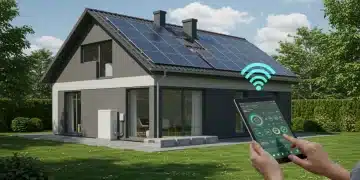
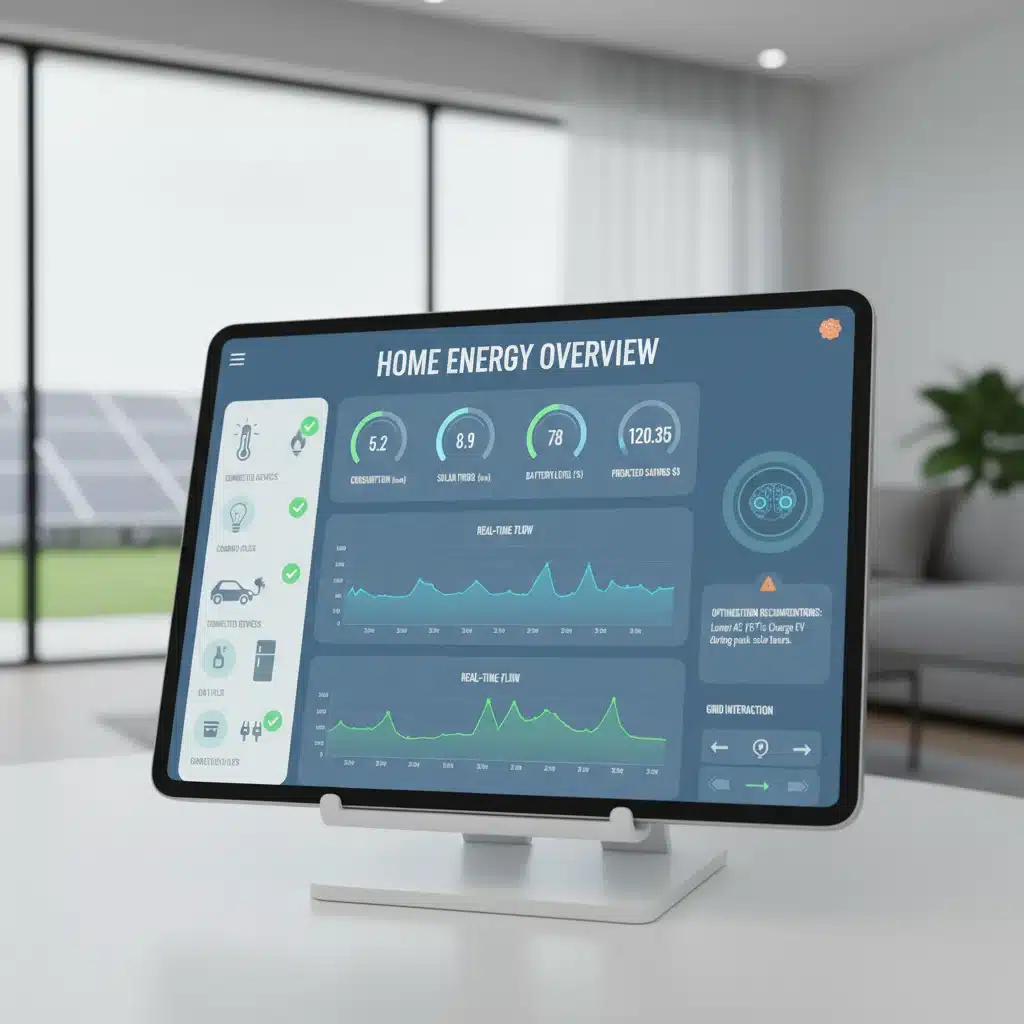
By 2026, home battery systems will be deeply integrated into broader smart home ecosystems. This means your battery will not just store energy but will communicate with smart appliances, thermostats, and EV chargers to create a truly intelligent energy network. For example:
- Your smart thermostat might signal the battery to pre-cool your home when solar production is high and electricity is cheap, reducing reliance on grid power during expensive peak hours.
- Your EV charger could be programmed to only charge your electric vehicle when there’s surplus solar energy available, further enhancing your energy independence and maximizing the utility of your stored power.
- The battery system could adjust its discharge rate based on real-time pricing signals from your utility, selling power back to the grid during high-demand periods to generate revenue or offset costs. This level of granular control significantly boosts overall home battery efficiency and economic benefit.
Enhanced Power Electronics and Inverter Technology
The efficiency of a home energy storage system isn’t solely dependent on the battery itself. The power electronics and inverters that convert stored DC power into usable AC power for your home play a crucial role. Significant advancements in these components are also contributing to the overall 30% increase in home battery efficiency.
Bi-directional Inverters with Higher Conversion Efficiency
New generations of inverters are achieving conversion efficiencies exceeding 98%, meaning less energy is lost during the conversion process from DC (battery) to AC (home) and vice-versa (solar to battery). Furthermore, bi-directional inverters are becoming standard, allowing seamless power flow in both directions, which is essential for grid-tied systems and future vehicle-to-home (V2H) or vehicle-to-grid (V2G) capabilities.
Modular and Scalable Designs
Manufacturers are moving towards more modular and scalable battery systems. This allows homeowners to start with a smaller setup and expand their storage capacity as their needs evolve or as budget permits. This modularity also simplifies maintenance and upgrades, ensuring that systems can be kept up-to-date with the latest efficiency improvements without replacing the entire unit. Such flexibility enhances the long-term value and adaptability, indirectly contributing to sustained home battery efficiency.
Integrated DC-Coupled Systems
DC-coupled systems, where solar panels directly charge the battery before converting to AC for home use, are gaining traction. This approach minimizes energy losses associated with multiple DC-AC-DC conversions, leading to higher overall system efficiency. By 2026, more sophisticated DC-coupled solutions will be available, further optimizing the energy flow from solar generation to storage and consumption, directly impacting home battery efficiency.
Thermal Management and Environmental Resilience
Battery performance, and thus home battery efficiency, is highly sensitive to temperature. Operating outside optimal temperature ranges can lead to accelerated degradation, reduced capacity, and even safety hazards. Innovations in thermal management are critical for ensuring stable and efficient operation.
Advanced Cooling and Heating Systems
Future home battery systems will incorporate more sophisticated active thermal management. This includes liquid cooling systems, phase-change materials, and intelligent heating elements that maintain the battery’s internal temperature within its optimal operating window, regardless of external environmental conditions. This meticulous temperature control is vital for maximizing both the lifespan and discharge efficiency of the battery.
Robust Enclosures and Weatherproofing
Batteries installed outdoors need to withstand a variety of environmental challenges, from extreme heat to freezing temperatures and humidity. Manufacturers are developing more robust, weather-resistant enclosures that protect the delicate internal components while allowing for efficient heat dissipation. These advancements ensure consistent performance and extend the life of the battery, thereby maintaining high levels of home battery efficiency even in challenging climates.
The Impact of Policy and Incentives on Home Battery Efficiency Adoption
While technological advancements are the driving force, government policies and financial incentives play a crucial role in accelerating the adoption of high-efficiency home energy storage systems. By 2026, we anticipate a more favorable landscape for homeowners looking to invest in these solutions.
Federal and State Tax Credits
Existing incentives, such as the Investment Tax Credit (ITC) in the United States, which applies to solar-plus-storage systems, are likely to continue and potentially expand. Many states also offer additional rebates, tax exemptions, or performance-based incentives for installing home batteries. These financial boosts significantly reduce the upfront cost, making the investment in advanced home battery efficiency more accessible and attractive.
Net Metering and Virtual Power Plants (VPPs)
The evolution of net metering policies, allowing homeowners to sell excess energy back to the grid, will continue to shape the economic viability of home storage. Furthermore, the rise of Virtual Power Plants (VPPs) will enable aggregated home battery systems to act as a collective resource for the grid, providing services like peak shaving and frequency regulation. Participating in VPPs can generate additional revenue for homeowners, further incentivizing the installation of high-efficiency systems and contributing to overall grid stability.
Building Codes and Resilience Programs
As climate-related events become more frequent, building codes are beginning to incorporate resilience standards that encourage or mandate energy storage. Programs designed to enhance community resilience, often involving distributed energy resources, will also drive the adoption of efficient home batteries, especially in areas prone to natural disasters or grid instability. These policies create a strong demand for reliable and high home battery efficiency solutions.
Challenges and the Path Forward
Despite the exciting prospects, the path to widespread adoption of 30% more efficient home batteries by 2026 is not without its challenges. Cost, supply chain issues, and standardization remain key hurdles.
Cost Reduction
While battery costs have been steadily declining, the next-generation technologies still carry a premium. Continued innovation in manufacturing processes, economies of scale, and competition among manufacturers will be essential to bring prices down to a point where they are universally affordable. Government incentives will remain crucial in bridging this gap.
Supply Chain Resilience
The global supply chain for battery components, especially critical minerals, needs to become more robust and diversified. Geopolitical tensions and resource scarcity can impact production and cost. Investments in domestic manufacturing and recycling infrastructure will help mitigate these risks and ensure a steady supply of advanced battery systems.
Standardization and Interoperability
As the market grows, there is a need for greater standardization in battery interfaces, communication protocols, and safety regulations. This will ensure seamless integration between different components (solar inverters, batteries, smart home devices) and provide consumers with greater choice and flexibility, ultimately fostering a more competitive and innovative market for high home battery efficiency solutions.
Conclusion: A Brighter, More Efficient Energy Future
The year 2026 stands as a pivotal moment for home energy storage. The confluence of advanced battery chemistries like solid-state and sodium-ion, sophisticated AI-driven Battery Management Systems, and highly efficient power electronics is set to deliver an unprecedented leap in home battery efficiency, potentially exceeding a 30% improvement. This is not merely an incremental upgrade; it represents a paradigm shift in how we approach residential energy management.
For homeowners, this means greater energy independence, significantly reduced electricity bills, enhanced resilience against grid outages, and a smaller carbon footprint. The ability to store and intelligently manage energy will empower individuals to become active participants in the energy transition, contributing to a more sustainable and decentralized energy future. As these innovations mature and become more accessible, the vision of a self-sufficient, highly efficient smart home will transition from aspiration to everyday reality, solidifying the role of advanced home battery systems as essential components of modern living.
Embrace the future of energy. Investigate these emerging technologies and prepare your home for an era of unparalleled home battery efficiency and sustainable power.