SMRs 2026: Revolutionizing US Energy Security with Small Modular Reactors
Anúncios
The global energy landscape is undergoing a profound transformation, driven by the urgent need for sustainable, reliable, and secure power sources. Amidst this shift, nuclear energy is re-emerging as a critical player, not in its traditional colossal form, but through an innovative evolution: Small Modular Reactors (SMRs). These advanced nuclear technologies are poised to redefine the future of energy, particularly for the United States. By 2026, SMRs are expected to make significant strides, offering a compelling solution to enhance SMRs US energy security, combat climate change, and provide stable baseload power. This article delves into the transformative potential of SMRs, exploring their technology, benefits, challenges, and the pivotal role they are set to play in securing America’s energy future.
The Dawn of a New Nuclear Era: Understanding SMRs
Small Modular Reactors are advanced nuclear reactors that produce up to 300 MW(e) per unit, roughly one-third of the generating capacity of traditional nuclear power reactors. What makes them truly revolutionary is their modular design, allowing components to be factory-fabricated and then transported to a site for assembly. This approach offers numerous advantages over conventional large-scale nuclear plants, which are often custom-built on-site, leading to lengthy construction schedules and significant cost overruns. The concept of SMRs US energy integration is gaining traction due to these inherent efficiencies.
What Exactly Are SMRs?
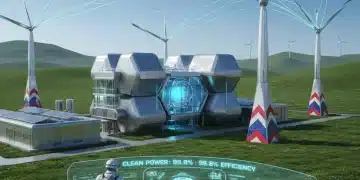
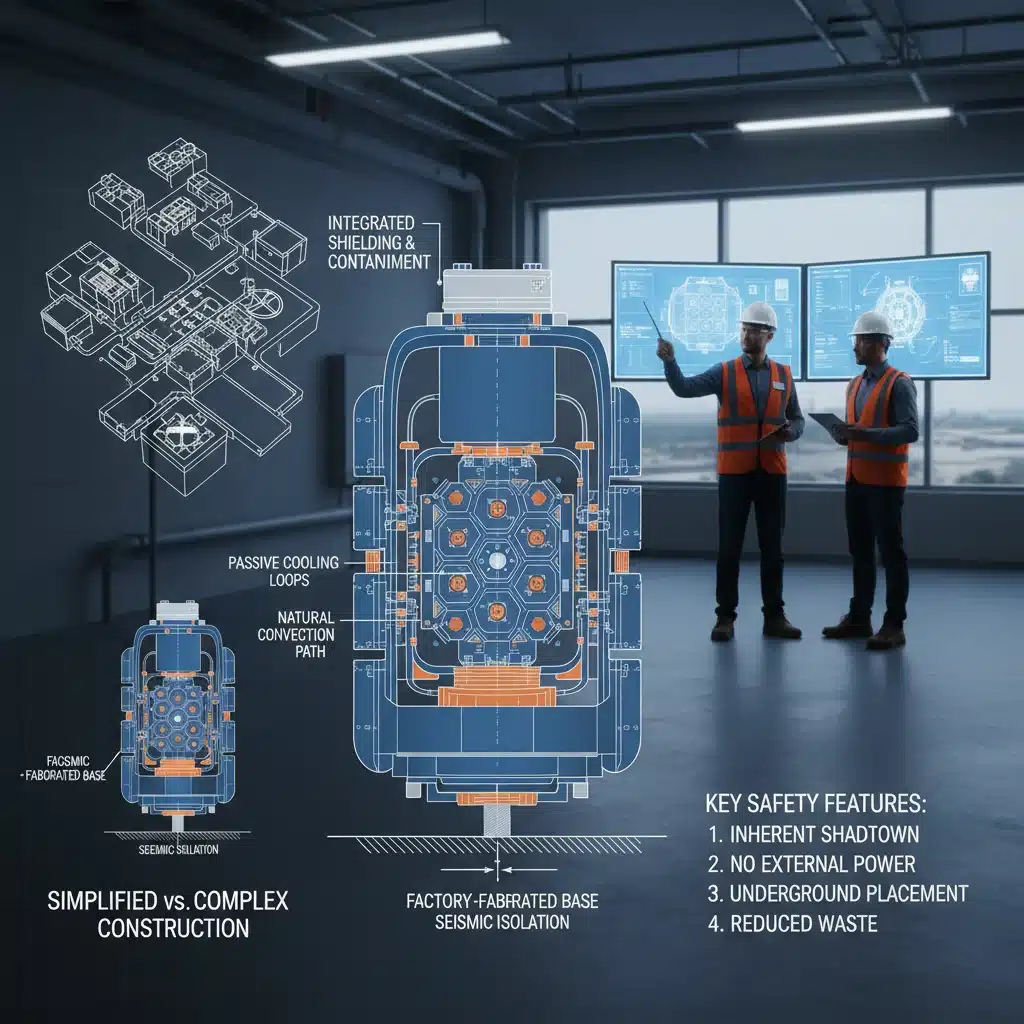
SMRs encompass a variety of reactor designs, including light-water reactors, molten salt reactors, fast reactors, and high-temperature gas reactors. While their designs vary, they share common characteristics: small physical size, modular construction, and enhanced safety features. Many SMR designs incorporate passive safety systems that rely on natural forces like gravity and convection for cooling, rather than active systems requiring external power or human intervention. This inherent safety, coupled with their smaller footprint, makes them suitable for a wider range of locations and applications, including remote communities or industrial sites.
Key Technological Innovations Driving SMRs
The technological advancements in SMRs are not merely about scaling down existing designs. They involve fundamental shifts in engineering, materials science, and reactor physics. Innovations include:
- Advanced Fuels: Research into accident-tolerant fuels (ATF) aims to enhance safety and operational flexibility.
- Integrated Designs: Many SMRs integrate components like steam generators and pressurizers within a single vessel, reducing the need for extensive piping and enhancing structural integrity.
- Passive Safety Systems: These systems significantly reduce the likelihood of severe accidents and eliminate the need for extensive emergency planning zones.
- Digital Instrumentation and Control: Modern digital systems improve operational efficiency, reliability, and security.
These innovations collectively position SMRs as a safer, more efficient, and more deployable option for nuclear power, directly contributing to the robustness of SMRs US energy infrastructure.
Enhancing US Energy Security with SMRs by 2026
The year 2026 is a critical benchmark for the deployment and impact of SMRs in the United States. Several projects are already underway or in advanced stages of planning, signaling a significant shift in the national energy strategy. The potential benefits for US energy security are multifaceted and profound.
Diversifying the Energy Mix
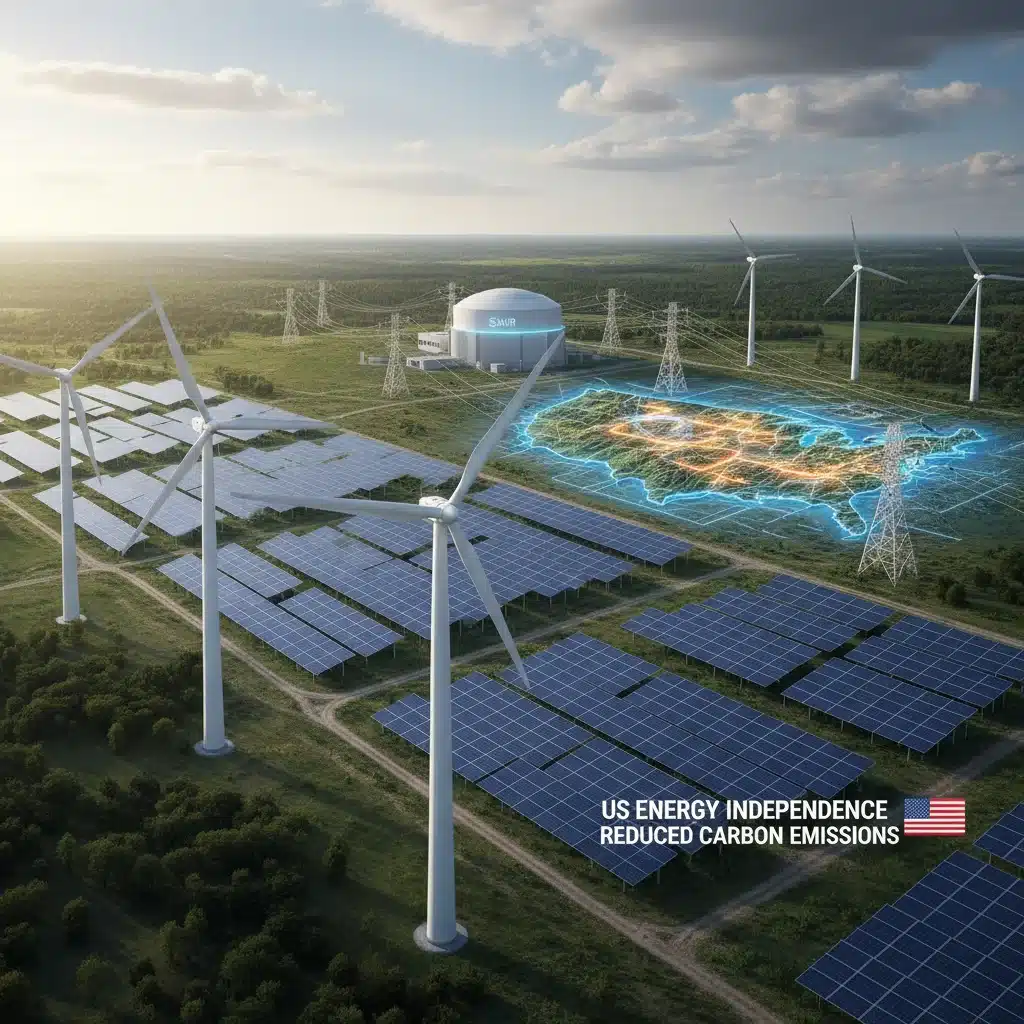
The US energy grid currently relies heavily on natural gas, which, while abundant, is subject to price volatility and geopolitical influences. Integrating SMRs can significantly diversify the energy mix, reducing dependence on fossil fuels and strengthening grid resilience. As a non-intermittent power source, SMRs can provide reliable baseload power, complementing renewable energy sources like solar and wind, which are inherently variable. This synergy is crucial for a stable and decarbonized energy system. The strategic inclusion of SMRs is a direct measure to bolster SMRs US energy independence.
Grid Stability and Resilience
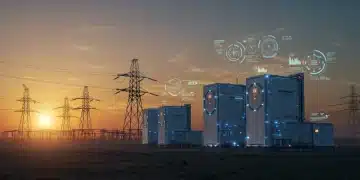
Traditional large power plants, when they go offline, can create significant disruptions. SMRs, with their smaller capacity and modular nature, offer enhanced grid stability. A single SMR unit going offline would have a less severe impact than a large plant, and the modular design allows for easier maintenance and faster restoration of power. Furthermore, SMRs can be deployed in a distributed manner, closer to demand centers, reducing transmission losses and increasing grid resilience against extreme weather events or cyberattacks. This distributed generation model is a game-changer for SMRs US energy infrastructure.
Economic Benefits and Job Creation
The development and deployment of SMRs represent a significant economic opportunity. The factory fabrication of SMR components can revitalize domestic manufacturing sectors, creating high-skilled jobs in engineering, construction, and operations. The long operational lifespan of nuclear power plants also ensures stable, long-term employment. Furthermore, the export potential of US-developed SMR technology could establish the United States as a leader in the global nuclear energy market, generating revenue and strengthening diplomatic ties. The economic ripple effects of SMRs US energy initiatives are substantial.
Addressing Climate Change: The Environmental Imperative
Beyond energy security, SMRs offer a powerful tool in the fight against climate change. As a zero-emission energy source during operation, nuclear power generates electricity without producing greenhouse gases. This makes SMRs an indispensable component of any credible strategy to achieve net-zero emissions targets.
Reducing Carbon Footprint
Each SMR deployed can displace a significant amount of fossil fuel-generated electricity, leading to a substantial reduction in carbon dioxide emissions. The scalability and flexibility of SMRs mean they can be integrated into various energy systems, from replacing aging coal plants to providing clean power for industrial processes that are difficult to decarbonize. This capability is paramount for securing the long-term viability of SMRs US energy policy.
Clean Hydrogen Production
SMRs are also being explored for their potential to produce clean hydrogen through electrolysis or thermochemical processes. Hydrogen, often touted as the fuel of the future, can be used in transportation, industrial applications, and energy storage. Producing hydrogen using nuclear power offers a carbon-free pathway, further enhancing the environmental benefits of SMRs and contributing to a broader clean energy economy. This synergy expands the influence of SMRs US energy solutions.
Challenges and Hurdles on the Path to 2026
Despite their immense potential, the widespread adoption of SMRs faces several challenges that need to be addressed for them to fully realize their impact by 2026 and beyond.
Regulatory Framework and Licensing
The regulatory process for nuclear power plants is notoriously complex and time-consuming. While SMR designs aim for standardization, adapting the existing regulatory framework, which was primarily designed for large light-water reactors, to accommodate diverse SMR technologies is a significant hurdle. Streamlining the licensing process while maintaining rigorous safety standards is crucial for timely deployment. The Nuclear Regulatory Commission (NRC) is actively working on developing a more efficient regulatory pathway for SMRs, but progress must be swift to meet the 2026 timeline for significant impact on SMRs US energy deployment.
Financing and Investment
Nuclear power projects, regardless of size, require substantial upfront capital. While SMRs are expected to be more cost-effective per unit than traditional plants, securing the necessary investment remains a challenge. Government incentives, private sector investment, and innovative financing models will be essential to de-risk projects and attract capital. The perception of nuclear power’s financial risk needs to be mitigated through successful pilot projects and clear regulatory pathways. Financial backing is a cornerstone for the successful integration of SMRs US energy solutions.
Public Perception and Acceptance
Despite advancements in safety, public perception of nuclear power remains a sensitive issue, often shaped by historical accidents. Educating the public about the enhanced safety features, smaller footprint, and environmental benefits of SMRs is vital for gaining social license and community acceptance. Transparency and engagement with local communities are key to building trust and overcoming historical biases. Addressing public concerns is critical for the smooth integration of SMRs US energy projects.
Supply Chain Development
The modular nature of SMRs relies on a robust and specialized supply chain for factory fabrication and component delivery. Rebuilding and strengthening the domestic nuclear supply chain, which has atrophied in recent decades, is essential. This includes developing capabilities for specialized manufacturing, quality control, and transportation logistics. A strong domestic supply chain will not only support SMR deployment but also contribute to national security and economic resilience. A robust supply chain is indispensable for expanding SMRs US energy capabilities.
Key Projects and Milestones Towards 2026
Several initiatives and projects are paving the way for SMR deployment in the US, with significant milestones expected by 2026.
NuScale Power’s VOYGR SMR
NuScale Power is at the forefront of SMR development in the US, with its VOYGR power plant design being the first and only SMR to receive design approval from the US Nuclear Regulatory Commission (NRC). The Carbon Free Power Project (CFPP) in Idaho, utilizing NuScale’s technology, aims to deploy a 6-module VOYGR plant by the end of the decade, with initial modules potentially operational before 2026. This project is a critical demonstration of SMR viability and a major step toward realizing the promise of SMRs US energy contributions.
TerraPower’s Natrium Reactor
Backed by Bill Gates, TerraPower is developing the Natrium reactor, a sodium-cooled fast reactor with an integrated molten salt energy storage system. This innovative design offers enhanced flexibility and the ability to complement intermittent renewable energy sources. A demonstration plant is planned for Wyoming, targeting operation by 2028. While slightly beyond the 2026 horizon for full operation, significant progress in construction and regulatory approval is expected by then, further cementing the role of advanced reactors in SMRs US energy strategy.
Department of Energy Initiatives
The US Department of Energy (DOE) plays a crucial role in accelerating SMR development through funding programs, research initiatives, and technical support. Programs like the Advanced Reactor Demonstration Program (ARDP) are providing significant financial assistance to accelerate the deployment of advanced reactor technologies, including SMRs. These government-backed efforts are vital for overcoming financial hurdles and fostering innovation, ensuring that SMRs US energy goals remain on track.
The Broader Impact: Beyond Electricity Generation
The impact of SMRs extends beyond simply generating electricity. Their versatility opens doors to a range of applications that can further strengthen US energy security and economic prosperity.
Industrial Decarbonization
Many heavy industries, such as chemical production, steel manufacturing, and cement production, require significant amounts of high-temperature heat, which is often supplied by burning fossil fuels. SMRs can provide process heat directly or generate electricity for industrial processes, offering a clean alternative for decarbonizing these hard-to-abate sectors. This capability is a game-changer for achieving comprehensive carbon reduction targets and enhancing SMRs US energy applications.
Desalination and Water Security
In regions facing water scarcity, SMRs can provide the energy needed for desalination plants, converting seawater into fresh, potable water. This capability offers a dual benefit: clean energy and enhanced water security, addressing two critical challenges simultaneously. The ability of SMRs to support vital infrastructure further solidifies their position in the broader SMRs US energy and resource strategy.
Remote and Off-Grid Applications
The compact size and modularity of SMRs make them ideal for deployment in remote locations, military bases, or off-grid communities where traditional power infrastructure is lacking or unreliable. They can provide a stable and independent power source, reducing reliance on fossil fuel imports and enhancing energy resilience in critical areas. This flexibility is a unique advantage of SMRs US energy solutions.
The Road Ahead: 2026 and Beyond
While 2026 marks a significant milestone for SMR development and initial deployment, the full realization of their potential will extend well into the future. The next few years will be crucial for demonstrating the commercial viability, operational reliability, and safety of these advanced reactors. Continued investment in research and development, supportive government policies, and international collaboration will be essential to accelerate their widespread adoption.
International Collaboration and Global Impact
The development of SMRs is not confined to the United States. Many countries are actively pursuing SMR technology, recognizing its potential for clean energy, energy security, and economic growth. International collaboration on research, development, and regulatory harmonization can accelerate deployment globally, creating a larger market and fostering economies of scale. The US can play a leadership role in this global effort, shaping the future of nuclear energy worldwide and strengthening its diplomatic influence through the export of advanced SMRs US energy technology.
Future Generations and Sustainable Energy
Ultimately, the successful deployment of SMRs is about securing a sustainable energy future for generations to come. By providing a clean, reliable, and secure power source, SMRs can help mitigate climate change, reduce air pollution, and ensure energy independence. Their role in a diversified energy portfolio, alongside renewables, is paramount for achieving a resilient and decarbonized global energy system. The legacy of SMRs US energy innovation will be a cleaner, more secure world.
Conclusion
The year 2026 stands as a pivotal point for the integration of Small Modular Reactors into the US energy landscape. With their inherent safety, modular design, and broad applicability, SMRs are not just an incremental improvement but a transformative technology poised to revolutionize SMRs US energy security. While challenges related to regulation, financing, and public perception remain, the momentum behind SMR development, coupled with strategic governmental and private sector investments, suggests a bright future. As these advanced reactors begin to come online, they will play an increasingly vital role in diversifying the energy mix, enhancing grid stability, combating climate change, and driving economic growth. The promise of SMRs is clear: a more secure, sustainable, and prosperous energy future for the United States.