U.S. Offshore Wind Capacity 2030: Projections, Challenges, and Future
Anúncios
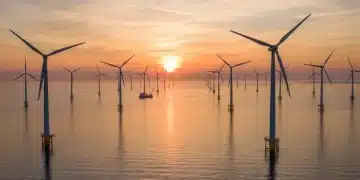
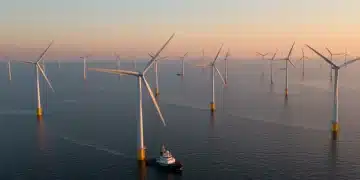
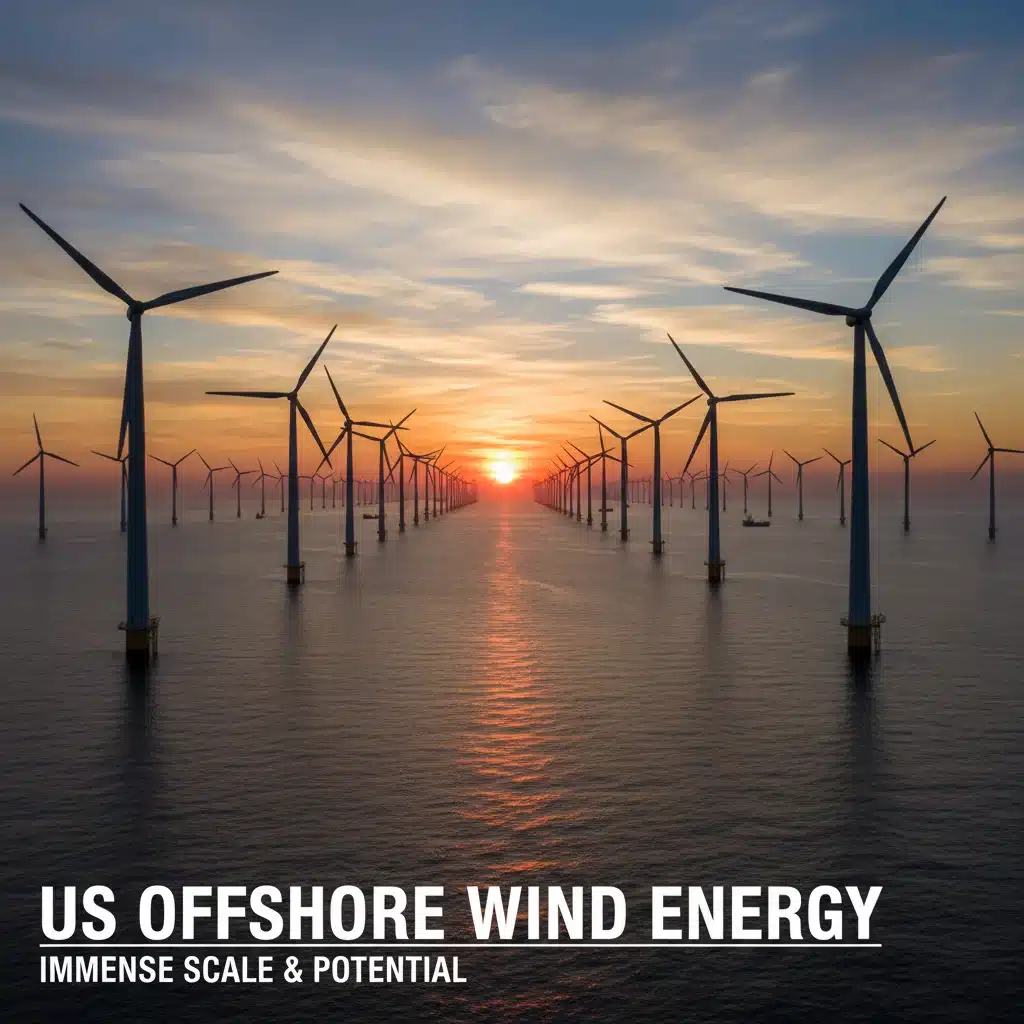
The pursuit of clean, sustainable energy has never been more critical, and among the myriad of renewable sources, US offshore wind stands out as a colossal opportunity. The United States has set ambitious targets for offshore wind development, aiming to significantly boost its capacity by the end of the decade. These goals are not just about generating electricity; they represent a fundamental shift in energy policy, economic development, and environmental stewardship. As we approach the mid-2020s, the projections for 2030 are becoming clearer, offering both exciting prospects and formidable challenges that demand our attention. This article delves into the latest 2026 projections for US offshore wind capacity by 2030, exploring the technological advancements, policy frameworks, economic implications, and the hurdles that must be overcome to realize this transformative vision.
The Ambitious Horizon: US Offshore Wind Targets for 2030
The Biden-Harris administration has set a bold target of deploying 30 gigawatts (GW) of offshore wind by 2030, a goal that would power over 10 million American homes with clean energy. This ambitious objective is a cornerstone of the nation’s climate strategy, aiming to reduce carbon emissions, create high-paying jobs, and establish the U.S. as a global leader in renewable energy. The journey towards achieving 30 GW of US offshore wind capacity by 2030 is multifaceted, involving a complex interplay of federal and state policies, technological innovation, financial investment, and stakeholder collaboration.
Understanding the 2026 Projections for US Offshore Wind
As of 2026, the landscape for US offshore wind development is evolving rapidly. While the 30 GW target remains firm, the path to get there is subject to dynamic forces. Initial projections often paint an optimistic picture, but real-world implementation brings its own set of complexities. Current analyses from governmental bodies like the Department of Energy (DOE) and the Bureau of Ocean Energy Management (BOEM), along with independent energy research firms, suggest a trajectory that, while challenging, is still within reach if key obstacles are addressed effectively. These projections factor in the current pipeline of projects, anticipated lease sales, technological readiness, and the pace of regulatory approvals. The focus is not just on the sheer number of megawatts but also on the robustness of the supply chain, the availability of skilled labor, and the integration of this new power source into the existing grid infrastructure. The commitment to developing US offshore wind is strong, but the practicalities of deployment are immense.
Current State of US Offshore Wind Development
As of early 2026, the US offshore wind industry has seen significant progress but also encountered headwinds. Several projects are in various stages of development, from lease acquisition and site assessment to construction and operation. The Northeast and Mid-Atlantic regions continue to lead the charge, with states like Massachusetts, New York, New Jersey, and Maryland committing substantial resources and policy support. Early operational projects, though small in scale, provide invaluable lessons and demonstrate the viability of offshore wind technology in US waters. These pioneering efforts are crucial for building confidence, refining processes, and showcasing the benefits of US offshore wind.
However, the industry is also grappling with economic pressures, including inflation, rising interest rates, and supply chain disruptions. Some projects have faced delays or renegotiations due to these factors, underscoring the need for adaptive strategies and robust financial frameworks. The learning curve is steep, and stakeholders are continuously working to optimize project development and mitigate risks. Despite these challenges, the long-term outlook remains positive, driven by strong policy support and growing demand for clean energy. The momentum behind US offshore wind is undeniable, even with the bumps in the road.
Key Drivers for US Offshore Wind Growth
Several factors are propelling the growth of US offshore wind. Understanding these drivers is essential to appreciating the scale of ambition and the potential for success.
Policy Support and Regulatory Frameworks
At the federal level, the Biden administration’s commitment, coupled with initiatives like the Inflation Reduction Act (IRA), provides substantial tax credits and incentives for renewable energy projects, including offshore wind. The IRA is a game-changer, offering long-term certainty and significant financial backing. State-level policies, such as renewable portfolio standards (RPS) and specific offshore wind solicitations, create market demand and drive investment. The coordinated efforts between federal and state governments are critical for streamlining permitting processes, conducting environmental reviews, and managing stakeholder engagement effectively. This regulatory clarity and financial support are foundational for the expansion of US offshore wind.
Technological Advancements
The continuous evolution of wind turbine technology is making offshore wind more efficient and cost-effective. Turbines are becoming larger, with higher capacities, capturing more energy per installation. Innovations in foundation types, such as floating offshore wind technology, are opening up new areas for development in deeper waters, particularly on the West Coast and in the Gulf of Maine. Improvements in installation techniques, grid integration solutions, and operational maintenance are also contributing to the economic viability of US offshore wind projects. These technological leaps are crucial for meeting ambitious capacity targets.
Economic Development and Job Creation
The offshore wind industry is a significant engine for economic growth. Developing 30 GW of capacity by 2030 is projected to create tens of thousands of well-paying jobs across the supply chain, from manufacturing and construction to operations and maintenance. This includes jobs in shipbuilding, port infrastructure development, specialized engineering, and skilled trades. Investments in offshore wind are revitalizing coastal communities and fostering new industries, contributing to a robust green economy. The promise of economic prosperity is a powerful motivator for advancing US offshore wind.
Challenges on the Path to 30 GW by 2030
Despite the strong drivers, the path to achieving 30 GW of US offshore wind by 2030 is fraught with significant challenges that require concerted effort and innovative solutions.
Supply Chain Constraints and Industrial Capacity
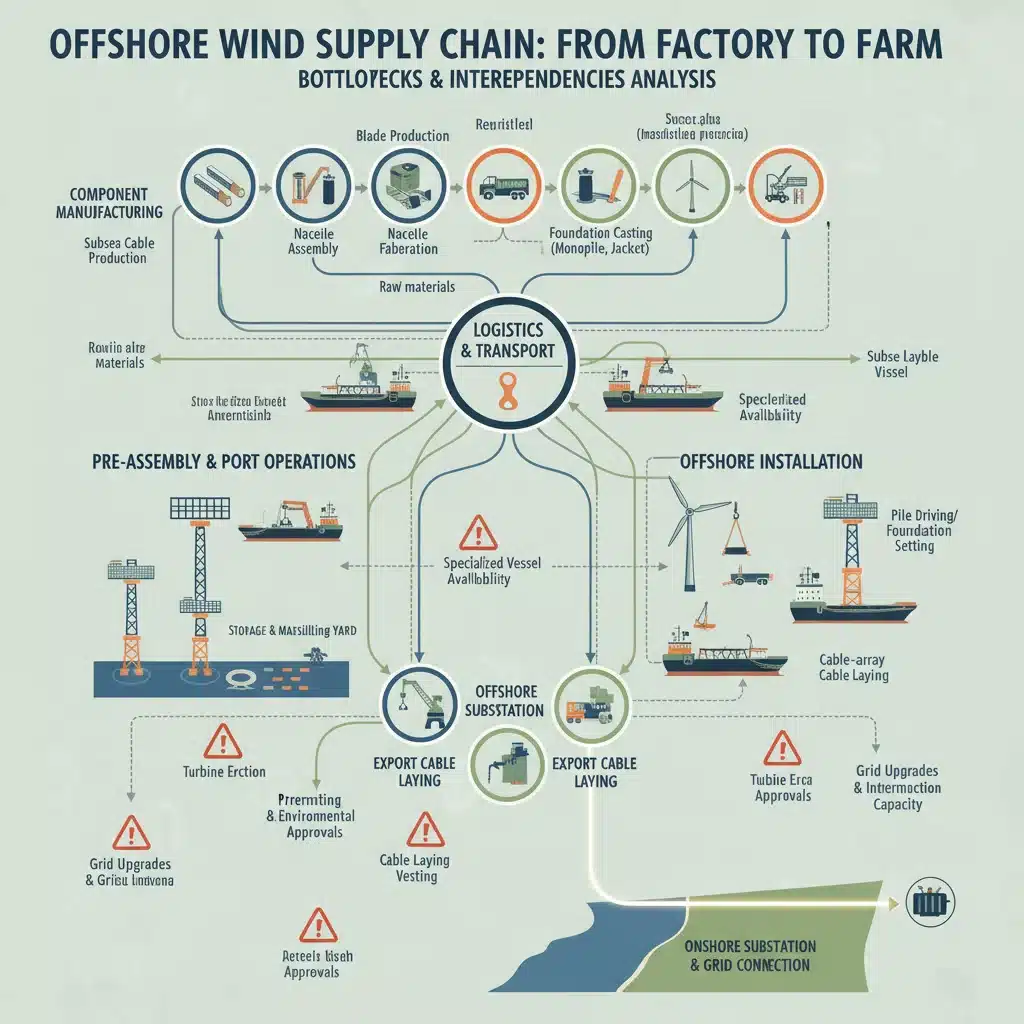
One of the most pressing issues is the nascent state of the US offshore wind supply chain. Building out the necessary manufacturing facilities for turbine components, foundations, and cables, as well as specialized vessels for installation and maintenance, takes time and substantial investment. Currently, much of the supply chain relies on European manufacturers, leading to potential delays and increased costs. Developing a robust domestic supply chain is crucial for long-term sustainability and economic benefits. This requires strategic investments, workforce training, and collaboration between government and industry. The ability to localize the supply chain will be a major determinant of success for US offshore wind.
Permitting and Regulatory Hurdles
The permitting process for offshore wind projects is complex and lengthy, involving multiple federal and state agencies, environmental assessments, and stakeholder consultations. Delays in environmental reviews, inter-agency coordination, and local opposition can significantly impact project timelines. Streamlining these processes while ensuring thorough environmental protection and community engagement is a delicate balance that needs continuous improvement. The regulatory framework needs to be efficient yet comprehensive to support the rapid deployment of US offshore wind.
Grid Infrastructure and Interconnection
Integrating large-scale offshore wind farms into the existing onshore electricity grid presents considerable challenges. The grid infrastructure, particularly in coastal regions, may not be equipped to handle the influx of new power. Upgrading transmission lines, building new substations, and ensuring grid stability require significant investment and coordinated planning. Interconnection queues and the lack of proactive transmission planning can create bottlenecks, delaying project completion. Modernizing the grid to accommodate US offshore wind is a monumental task.
Workforce Development and Training
The rapid expansion of the offshore wind industry demands a skilled workforce that currently does not exist in sufficient numbers in the US. There is a critical need for specialized training programs for engineers, technicians, vessel operators, and construction workers. Bridging this skills gap requires collaboration between educational institutions, industry, and government to develop comprehensive training initiatives and apprenticeships. Without a trained workforce, the ambitious goals for US offshore wind will be difficult to achieve.
Environmental and Community Concerns
While offshore wind is a clean energy source, its development can raise environmental concerns, such as potential impacts on marine ecosystems, migratory birds, and commercial fishing industries. Careful siting, robust environmental impact assessments, and mitigation strategies are essential to minimize these impacts. Engaging with local communities, especially fishing communities, and addressing their concerns transparently is crucial for gaining social license and avoiding project delays. Balancing energy needs with environmental protection and community interests is key for sustainable US offshore wind development.
Regional Spotlight: East Coast, West Coast, and Gulf of Mexico
The potential for US offshore wind varies significantly by region, each presenting unique opportunities and challenges.
East Coast Dominance
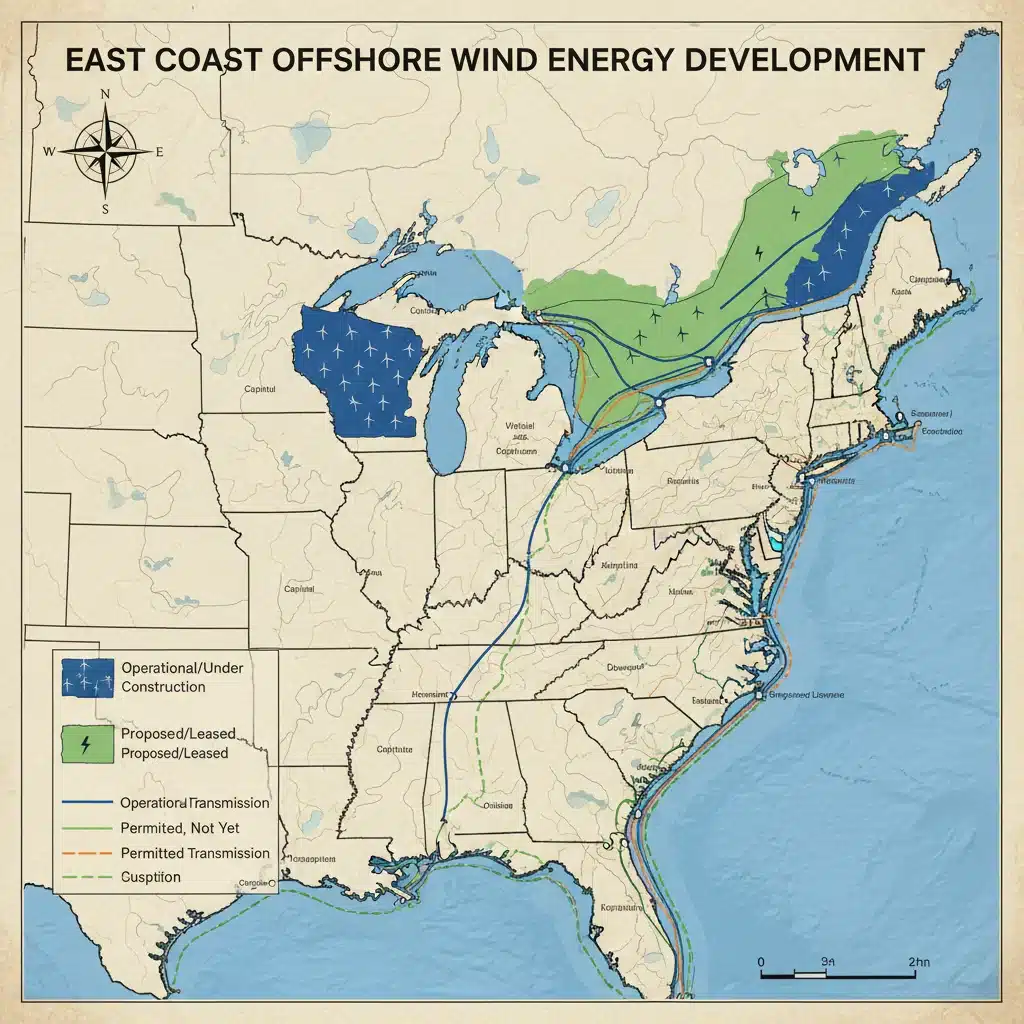
The East Coast, particularly the Northeast and Mid-Atlantic, is currently leading offshore wind development due to shallower waters, strong wind resources, and proximity to major population centers. States like New York, New Jersey, Massachusetts, and Virginia have aggressive targets and numerous projects in the pipeline. The region benefits from established port infrastructure and a relatively more developed regulatory pathway. This area will likely contribute the lion’s share of the 30 GW target for US offshore wind by 2030.
West Coast: Floating Wind Frontier
The West Coast, with its deep waters, presents a different set of challenges and opportunities. Here, floating offshore wind technology is essential, as traditional fixed-bottom foundations are not feasible. California has set ambitious targets for floating offshore wind, recognizing its vast potential. While further behind the East Coast in terms of deployment, the West Coast is poised to become a global leader in floating wind technology, contributing significantly to long-term US offshore wind capacity beyond 2030.
Gulf of Mexico: Emerging Potential
The Gulf of Mexico, traditionally an oil and gas hub, is emerging as a new frontier for offshore wind. The region boasts significant wind resources, existing offshore infrastructure, and a skilled workforce with transferable expertise. While facing unique challenges, such as hurricane resilience and competition for ocean space, the Gulf has the potential to diversify its energy economy and become a key contributor to US offshore wind in the coming decades, particularly as technology advances to address its specific environmental conditions.
Innovations and Future Outlook for US Offshore Wind
The future of US offshore wind is not just about overcoming current hurdles but also about embracing innovation and looking towards long-term sustainability.
Advancements in Floating Offshore Wind
Floating offshore wind technology is rapidly maturing and will be crucial for unlocking vast wind resources in deeper waters. Continued research and development in platform design, mooring systems, and dynamic cables will drive down costs and expand deployment possibilities. The US has an opportunity to lead in this cutting-edge sector, especially on the West Coast and in the Gulf of Maine.
Hybrid Projects and Energy Storage
Integrating offshore wind with other energy technologies, such as battery storage or green hydrogen production, can enhance grid stability and optimize energy utilization. Hybrid projects that combine offshore wind with solar or other renewables could provide more consistent power output, addressing the intermittency of wind. These innovations will make US offshore wind an even more valuable asset in the energy mix.
Environmental Stewardship and Coexistence
Future offshore wind development will increasingly focus on minimizing environmental impacts and fostering coexistence with marine life and other ocean users. Advanced monitoring technologies, improved turbine designs to reduce bird and bat impacts, and collaborative spatial planning with fishing communities are vital. Sustainable development practices will ensure that US offshore wind contributes positively to both energy security and ecological health.
Conclusion: A Resilient Path Forward for US Offshore Wind
The ambition to deploy 30 GW of US offshore wind capacity by 2030 is a monumental undertaking, fraught with challenges but brimming with potential. The 2026 projections indicate that while the path is not without its difficulties, the goal remains attainable with sustained effort, strategic investment, and collaborative problem-solving. Policy support, technological innovation, and economic benefits are powerful drivers, but overcoming supply chain bottlenecks, streamlining permitting, upgrading grid infrastructure, and developing a skilled workforce are critical. The regional diversity of offshore wind potential, from the East Coast’s fixed-bottom dominance to the West Coast’s floating wind frontier and the emerging Gulf of Mexico, underscores the vast resources available.
As the nation pushes forward, the continued commitment from federal and state governments, coupled with robust industry investment and public support, will be essential. The success of US offshore wind is not merely about achieving a numerical target; it is about building a sustainable energy future, creating economic opportunities, and demonstrating global leadership in the fight against climate change. The journey to 2030 will be transformative, shaping America’s energy landscape for generations to come, and laying the groundwork for even greater offshore wind capacity in the decades that follow.