Hydrogen Power 2026: US Energy Independence & Future Developments
Anúncios
The global energy landscape is undergoing a profound transformation, driven by an urgent need to decarbonize and secure reliable, sustainable energy sources. Among the myriad of emerging technologies, hydrogen power stands out as a particularly promising candidate. As we look towards the middle of the decade, specifically to 2026, the trajectory of hydrogen power in the United States is poised for significant acceleration, holding the potential to reshape not only our energy mix but also our geopolitical standing through enhanced energy independence. This comprehensive exploration delves into the critical developments, technological breakthroughs, policy frameworks, and economic implications that will define hydrogen power in 2026 and beyond.
For decades, hydrogen has been touted as the fuel of the future, celebrated for its clean-burning properties and versatility. However, widespread adoption has historically been hampered by challenges related to production costs, storage, distribution, and infrastructure. The narrative is now changing dramatically. A confluence of factors – including escalating climate concerns, technological maturation, and substantial governmental and private sector investments – is bringing hydrogen power to the forefront of the energy transition. The year 2026 is anticipated to be a pivotal moment, marking a period where foundational investments begin to yield tangible results, and the commercial viability of hydrogen solutions becomes increasingly evident.
The Strategic Importance of Hydrogen Power for US Energy Independence
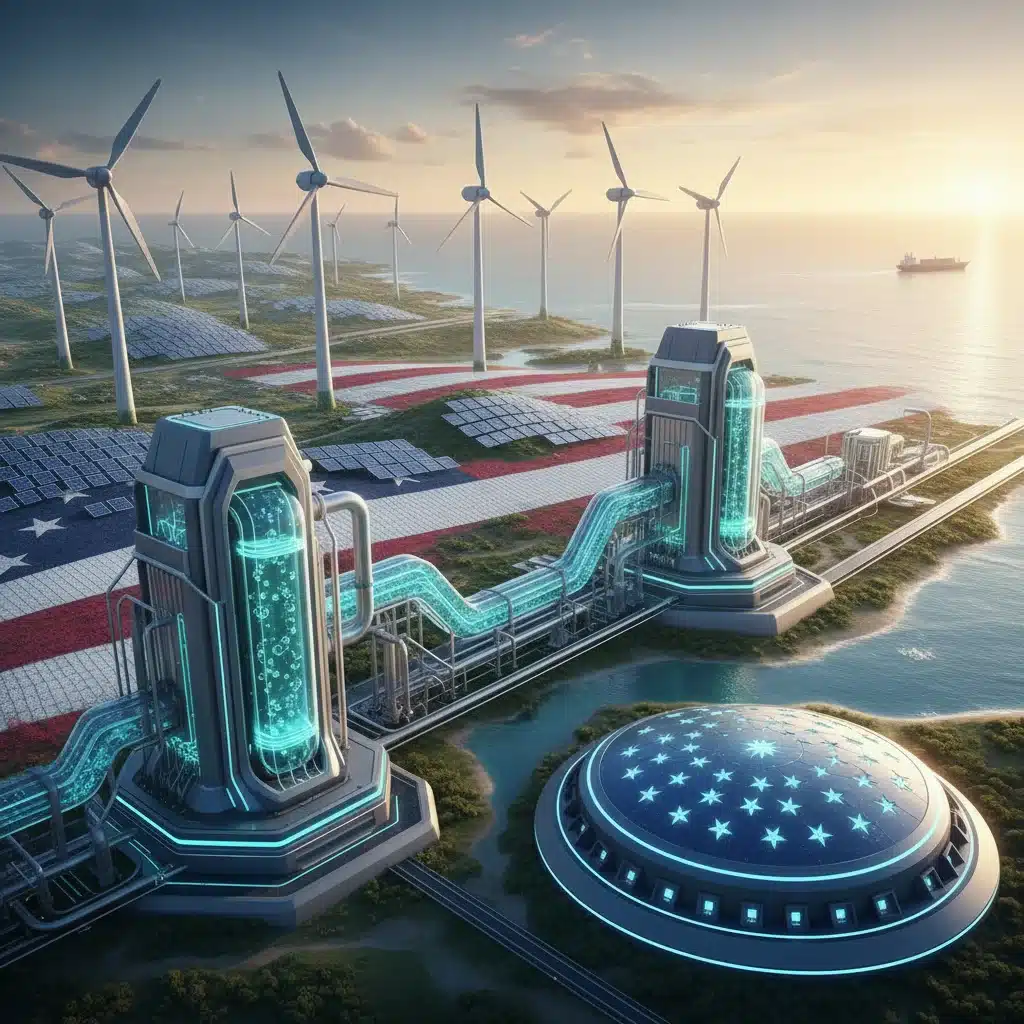
Achieving energy independence has long been a strategic imperative for the United States. While domestic oil and gas production has reduced reliance on foreign imports in recent years, the volatility of global markets and the environmental impact of fossil fuels underscore the need for a truly sustainable and secure energy future. Hydrogen power offers a compelling pathway to this independence. Unlike fossil fuels, hydrogen can be produced from a diverse array of domestic resources, including natural gas, nuclear power, and, most crucially, renewable electricity through electrolysis.
By leveraging abundant domestic renewable resources like solar and wind to produce green hydrogen, the US can insulate itself from international energy price fluctuations and supply chain disruptions. This shift not only enhances national security but also creates new domestic industries, fosters innovation, and generates high-quality jobs across the country. The ability to produce, store, and utilize hydrogen within national borders significantly reduces vulnerability to external pressures, making hydrogen power 2026 a key milestone in this strategic endeavor.
Technological Advancements Driving Hydrogen Power in 2026
The rapid evolution of technology is the bedrock upon which the future of hydrogen power rests. By 2026, several key technological advancements are expected to reach a level of maturity that will significantly impact the scalability and cost-effectiveness of hydrogen solutions.
Electrolysis Efficiency and Cost Reduction
Green hydrogen, produced by splitting water molecules using renewable electricity, is the holy grail of sustainable hydrogen. The efficiency and cost of electrolyzers – the devices that perform this splitting – have been major barriers. However, significant breakthroughs are being made. By 2026, we anticipate:
- Improved Electrolyzer Performance: Next-generation alkaline, PEM (Proton Exchange Membrane), and solid oxide electrolyzers will offer higher energy conversion efficiencies, reducing the amount of electricity required per kilogram of hydrogen produced.
- Manufacturing Scale-Up: As demand grows, manufacturing processes for electrolyzers are becoming more streamlined and automated, leading to economies of scale and substantial cost reductions. This industrialization is crucial for making green hydrogen competitive with other energy sources.
- Advanced Materials: Research into novel electrode materials and catalysts is leading to more durable and efficient electrolyzers, requiring less maintenance and extending operational lifespans.
Hydrogen Storage and Transportation Innovations
Storing and transporting hydrogen efficiently and safely are paramount for its widespread adoption. While compressed gas and cryogenic liquid hydrogen are established methods, they come with challenges. By 2026, we expect to see:
- Solid-State Storage: Advances in metal hydrides and other solid-state materials offer the potential for higher density, safer storage solutions at ambient temperatures. While still in earlier stages, some commercial applications might begin to emerge.
- Liquid Organic Hydrogen Carriers (LOHCs): LOHCs allow hydrogen to be chemically bonded to an organic liquid, making it easier to transport using existing fossil fuel infrastructure. This technology is gaining traction for long-distance transport.
- Enhanced Pipeline Infrastructure: While new dedicated hydrogen pipelines are expensive, strategies for blending hydrogen into existing natural gas pipelines (up to certain percentages) and developing new, hydrogen-compatible pipeline materials will be critical.
- Ammonia as a Carrier: Ammonia (NH3) can be produced from hydrogen and is easier to transport and store than pure hydrogen. It can then be “cracked” back into hydrogen at the point of use. This “hydrogen carrier” approach is seeing increased investment.
Fuel Cell Technology Maturation
Fuel cells convert hydrogen into electricity with water as the only byproduct, offering highly efficient and zero-emission power. By 2026, fuel cell technology will be more robust and cost-effective:
- Durability and Lifetime: Improvements in materials and design are extending the operational life of fuel cells, making them more attractive for heavy-duty applications like trucking, marine, and rail.
- Cost Reduction: Manufacturing advancements and increased production volumes are driving down the cost per kilowatt of fuel cells, making them competitive with traditional internal combustion engines and even some battery electric solutions in specific sectors.
- Diverse Applications: Beyond transportation, fuel cells will see expanded use in stationary power generation (e.g., backup power, grid support), material handling (forklifts), and even portable power solutions.
Policy and Regulatory Landscape: Shaping Hydrogen Power 2026
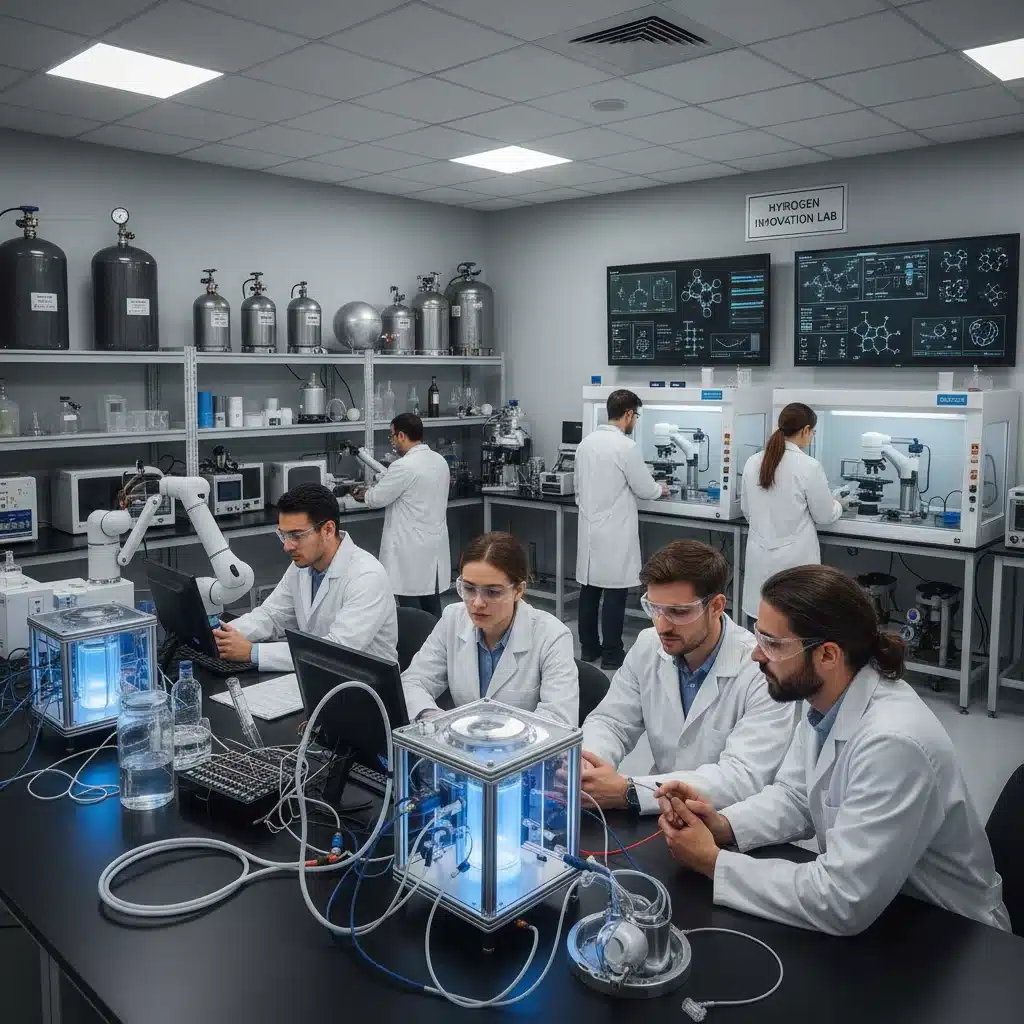
Government policies and regulatory frameworks play an indispensable role in accelerating the adoption of new energy technologies. The US government has demonstrated a strong commitment to hydrogen, and by 2026, these policies will have matured to create a more favorable environment for investment and deployment.
The Bipartisan Infrastructure Law and Hydrogen Hubs
A cornerstone of US hydrogen strategy is the Bipartisan Infrastructure Law (BIL), which allocated significant funding for hydrogen development. A key component is the establishment of regional clean hydrogen hubs (H2Hubs) across the country. By 2026, these hubs will be:
- Operational and Expanding: The initial H2Hubs, funded with billions of dollars, will be well into their development phases, demonstrating integrated hydrogen production, processing, delivery, storage, and end-use. These hubs are designed to create regional ecosystems for hydrogen, fostering collaboration between industry, academia, and local communities.
- Driving Demand: The hubs are expected to stimulate demand for clean hydrogen in various sectors, including heavy-duty transportation, industrial processes (e.g., steel, ammonia production), and power generation.
- Informative Prototypes: Lessons learned from the initial hubs will inform future policy and investment, leading to more efficient and effective hydrogen deployment strategies nationwide.
Tax Credits and Incentives
The Inflation Reduction Act (IRA) introduced groundbreaking tax credits for clean hydrogen production, notably the 45V Clean Hydrogen Production Tax Credit. This credit provides up to $3.00/kg for clean hydrogen, significantly improving the economic viability of green and low-carbon hydrogen. By 2026:
- Market Stimulation: These tax credits will be fully integrated into financial models, driving massive private sector investment into hydrogen projects. The certainty provided by these long-term incentives is critical for large-scale infrastructure development.
- Investment Decisions: The clarity around these incentives will accelerate final investment decisions (FIDs) for numerous hydrogen production facilities, leading to a substantial increase in clean hydrogen supply.
- Competitive Pricing: The tax credits will help bridge the cost gap between clean hydrogen and traditional fossil fuels, making hydrogen a more attractive option for various industrial and energy applications.
Regulatory Harmonization and Safety Standards
As hydrogen deployment scales, a robust and harmonized regulatory framework is essential for safety and interoperability. By 2026, we anticipate:
- Updated Codes and Standards: Federal and state agencies will continue to update and develop codes and standards for hydrogen production, storage, transportation, and use, addressing safety concerns and facilitating widespread adoption.
- Streamlined Permitting: Efforts will be underway to streamline permitting processes for hydrogen infrastructure projects, reducing delays and accelerating deployment.
- International Collaboration: The US will likely engage in further international collaboration to align hydrogen standards and facilitate global trade in hydrogen and hydrogen-derived products.
Applications and Market Penetration for Hydrogen Power 2026
While hydrogen’s potential is vast, its initial market penetration by 2026 will likely be concentrated in specific sectors where its unique properties offer the most immediate benefits and where decarbonization is particularly challenging.
Heavy-Duty Transportation
This sector is a prime target for hydrogen adoption. Long-haul trucks, buses, trains, and even maritime vessels require significant energy density and rapid refueling, which battery-electric solutions sometimes struggle to provide. By 2026:
- Commercial Rollout of Fuel Cell Trucks: Major trucking companies will have begun deploying fuel cell electric trucks (FCETs) on specific routes, supported by dedicated hydrogen refueling infrastructure along key corridors.
- Pilot Projects in Rail and Marine: Early-stage pilot projects demonstrating hydrogen-powered trains and ships will be gaining momentum, proving the viability of hydrogen in these challenging applications.
- Forklifts and Material Handling: Fuel cell forklifts are already a proven technology and will see continued expansion in warehouses and distribution centers.
Industrial Decarbonization
Heavy industries like steel, cement, chemicals, and fertilizers are energy-intensive and difficult to decarbonize. Hydrogen offers a direct pathway to reduce emissions. By 2026:
- Green Steel Initiatives: Several pilot and commercial-scale projects will be leveraging green hydrogen to reduce iron ore, leading to “green steel” production with significantly lower emissions.
- Ammonia Production: The production of ammonia, a key component in fertilizers, is highly carbon-intensive. Green hydrogen will increasingly be used as a feedstock, leading to low-carbon ammonia.
- Refinery Applications: Hydrogen is already used in refineries for various processes. Shifting to clean hydrogen will significantly reduce the carbon footprint of these operations.
Power Generation and Grid Stability
Hydrogen can play a crucial role in balancing intermittent renewable energy sources and providing reliable power. By 2026:
- Seasonal Energy Storage: Excess renewable electricity can be converted to hydrogen and stored for long durations, then reconverted to electricity using fuel cells or turbines when demand is high or renewable output is low. Several utility-scale pilot projects will be demonstrating this capability.
- Gas Turbine Blending: Natural gas power plants will increasingly blend hydrogen into their fuel mix, reducing emissions without requiring complete overhauls.
- Backup Power: Fuel cells will become a more common choice for reliable, clean backup power in critical infrastructure.
Economic Impact and Job Creation
The growth of hydrogen power in the US is not just an environmental imperative; it’s also a significant economic opportunity. By 2026, the burgeoning hydrogen economy will be creating substantial economic value and jobs across various sectors.
Investment and Market Growth
Billions of dollars in public and private investment are flowing into the hydrogen sector. This capital infusion is driving:
- Manufacturing Expansion: New factories for electrolyzers, fuel cells, and hydrogen storage tanks will be built, creating manufacturing jobs and stimulating local economies.
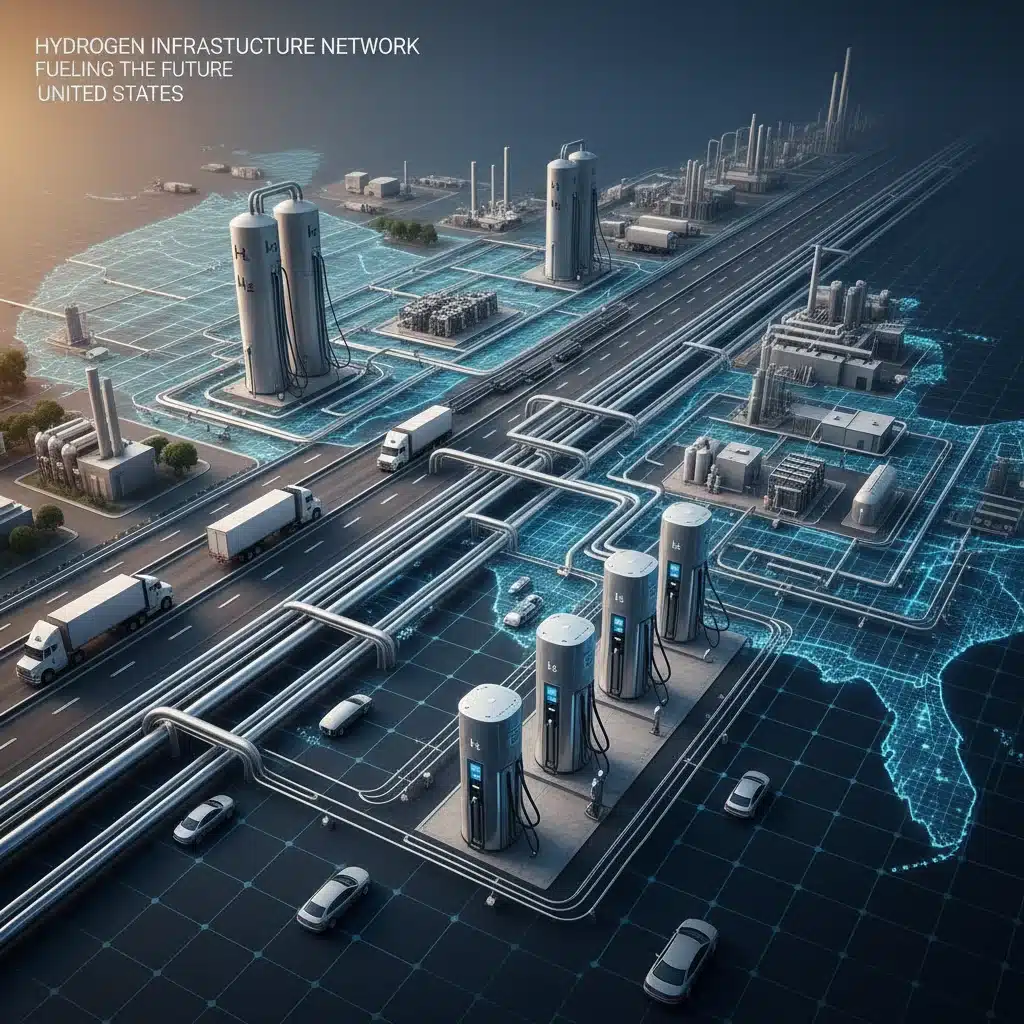
- Infrastructure Development: The construction of hydrogen pipelines, refueling stations, and production facilities will require a vast workforce, from engineers and project managers to skilled tradespeople.
- Research and Development: Continued investment in R&D will foster innovation, leading to new technologies and business models.
Job Creation Across the Value Chain
The hydrogen economy is inherently diverse, supporting a wide range of job functions:
- Skilled Trades: Electricians, pipefitters, welders, and construction workers will be essential for building and maintaining hydrogen infrastructure.
- Engineers and Scientists: Experts in chemical engineering, materials science, electrical engineering, and mechanical engineering will drive technological advancements.
- Logistics and Operations: Managing the production, distribution, and delivery of hydrogen will require a skilled workforce in logistics and operations.
- Sales and Marketing: As hydrogen solutions become more commercialized, sales and marketing professionals will be needed to expand market penetration.
The Department of Energy estimates that a robust hydrogen economy could support hundreds of thousands of jobs across the US by mid-century, with significant growth already visible by 2026.
Challenges and Headwinds for Hydrogen Power 2026
While the outlook for hydrogen power in 2026 is largely positive, it’s important to acknowledge the challenges that still need to be addressed for its full potential to be realized.
Cost Competitiveness
Despite tax credits and technological advancements, green hydrogen still faces a cost disadvantage compared to incumbent fossil fuels and even some other renewable energy solutions in certain applications. Continued efforts are needed to drive down capital expenditures for electrolyzers and improve operational efficiencies.
Infrastructure Build-Out
Building a comprehensive hydrogen infrastructure – including production facilities, pipelines, and refueling stations – is a monumental undertaking that requires significant investment, coordinated planning, and overcoming permitting hurdles. While the H2Hubs are a great start, widespread deployment will take time.
Energy Efficiency Concerns
The overall energy efficiency of the “power-to-hydrogen-to-power” pathway can be lower than direct electrification. This means hydrogen is best deployed in applications where direct electrification is impractical or impossible, such as heavy industry, long-haul transport, and seasonal energy storage.
Social Acceptance and Safety Perceptions
Public awareness and acceptance of hydrogen as a safe and reliable energy source are crucial. Addressing historical perceptions and ensuring robust safety standards in production, storage, and handling will be ongoing priorities.
The Global Context: US Leadership in Hydrogen Power
The US is not alone in its pursuit of a hydrogen economy. Countries in Europe, Asia, and other regions are also making significant investments. By 2026, the global hydrogen market will be characterized by:
- Increased Competition: As more nations develop their hydrogen strategies, competition for technology leadership and market share will intensify.
- International Partnerships: The US will likely engage in further international collaborations on research, development, and trade of hydrogen and its derivatives.
- Supply Chain Development: Global supply chains for electrolyzers, fuel cells, and other hydrogen components will mature, leading to more resilient and cost-effective solutions.
The US has an opportunity to establish itself as a global leader in clean hydrogen production and technology by 2026, leveraging its vast renewable resources, innovative private sector, and supportive policy environment.
Looking Beyond 2026: The Long-Term Vision
The developments in hydrogen power by 2026 will lay the groundwork for even more transformative changes in the decades that follow. Beyond this immediate horizon, hydrogen is expected to play an increasingly central role in fully decarbonizing the economy, including:
- Aviation: Hydrogen and synthetic fuels derived from hydrogen are being explored as sustainable aviation fuels.
- Residential and Commercial Heating: Blending hydrogen into natural gas grids or using dedicated hydrogen heating solutions could help decarbonize buildings.
- Export Opportunities: The US could become a major exporter of clean hydrogen or hydrogen-derived products (like ammonia) to countries with less abundant renewable resources.
- Circular Carbon Economy: Hydrogen can be combined with captured CO2 to produce synthetic fuels and chemicals, contributing to a circular carbon economy.
Conclusion
The year 2026 marks a critical juncture for hydrogen power in the United States. With substantial policy support, accelerating technological advancements, and a clear strategic imperative for energy independence, hydrogen is moving rapidly from a niche concept to a mainstream energy solution. While challenges remain, the progress anticipated by 2026 in production efficiency, infrastructure development, and market penetration will be foundational. The concerted efforts of government, industry, and research institutions are setting the stage for hydrogen to become a cornerstone of a sustainable, secure, and prosperous energy future for the US, driving not only environmental benefits but also significant economic growth and job creation. The journey towards a hydrogen economy is well underway, and 2026 will be a year of tangible and exciting progress.